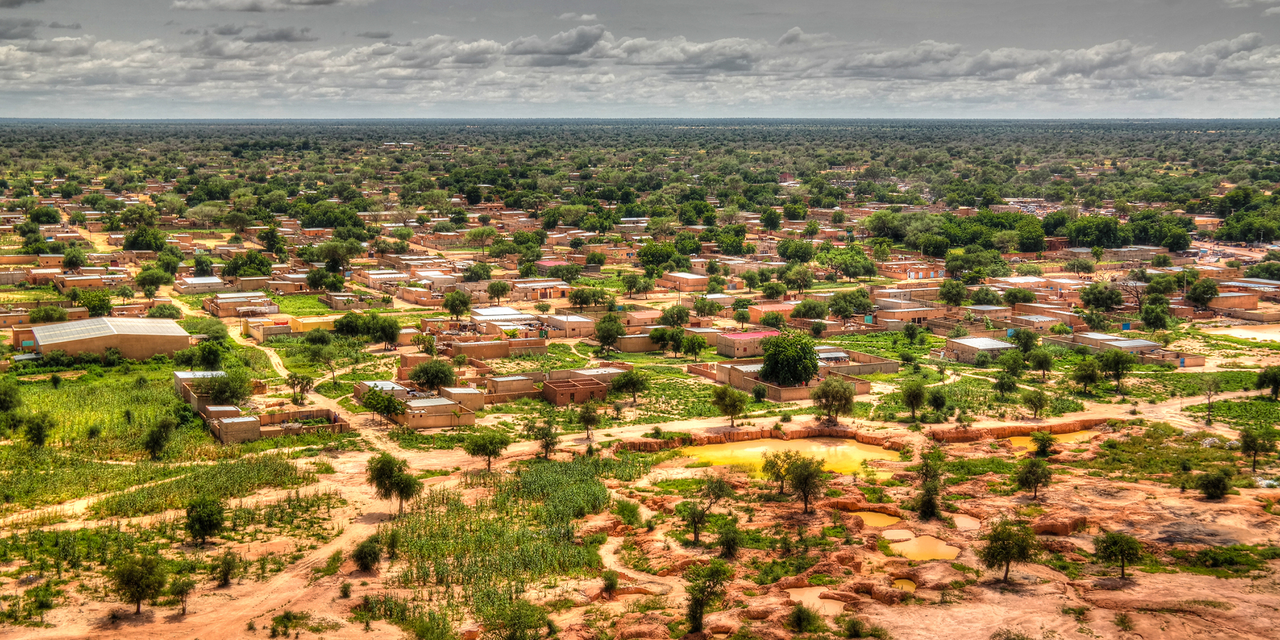
As the African Sahel gradually shifts from arid landscapes to greener pastures, recent reports indicate a significant drop in coal burning is contributing to this unexpected transformation. This development is not merely an environmental phenomenon; it represents a new chapter in the lives of communities long plagued by drought and food insecurity.
The latest turn
The latest analysis from researchers reveals that declining coal use, driven by a global move towards cleaner energy options, is enabling long-neglected ecosystems in the Sahel to flourish. Enhanced rainfall patterns, attributed partially to reduced air pollution, are inspiring renewed agricultural activities across the region. Villages once struggling against persistent drought now witness improved soil quality and increased crop yields.
Local farmers report a palpable change in their environment. “Now our lives have changed,” says Aissatou, a farmer from northern Mali, expressing her optimism about the upcoming planting season. After years of minimal harvests, communities are beginning to thrive as they adapt to these emerging ecological conditions.
How the story got here
The Sahel, a semi-arid region spanning several African nations, has long suffered from climate extremes, characterized by chronic droughts. For decades, communities faced dire consequences: declining agricultural productivity, food shortages, and migration out of rural areas. In 2020, studies highlighted these challenges intensified due to greenhouse gas emissions, primarily from burning fossil fuels like coal.
Global efforts to combat climate change have now started to yield tangible results. Countries implementing stringent regulations against coal usage have contributed to cleaner air and improved regional climates. As pollutants decline, rainfall patterns have stabilized, fostering hope across an area once synonymous with scarcity.
This change has also sparked increased international interest in sustainable agricultural practices. Initiatives aimed at restoring degraded landscapes through agroforestry and improved farming techniques are gaining traction, contributing to the region’s resilience against future climatic fluctuations.
Next expected developments
Looking ahead, environmental scientists are optimistic about monitoring these evolving circumstances. The focus will shift to how communities can sustain and expand their agricultural success amidst potential future climate challenges. Ongoing research aims to quantify the relationship between reduced coal use and local biodiversity recovery.
Furthermore, the global climate conference scheduled for next year is anticipated to place the Sahel’s resurgence on the agenda, advocating for increased funding and technological support for regions experiencing climate transitions. Activists and researchers alike stress the urgency of integrating these changes into a broader conversation about global sustainability and climate resilience.
As these developments unfold, the Sahel serves as a critical case study for understanding the intricate links between energy policies, environmental recovery, and local livelihoods. The unfolding narrative will likely serve as a beacon of hope and a model for other regions grappling with similar challenges.
Original Source: https://www.livescience.com/planet-earth/now-our-lives-have-changed-drop-in-coal-burning-is-helping-the-african-sahel-turn-green-after-decades-of-drought