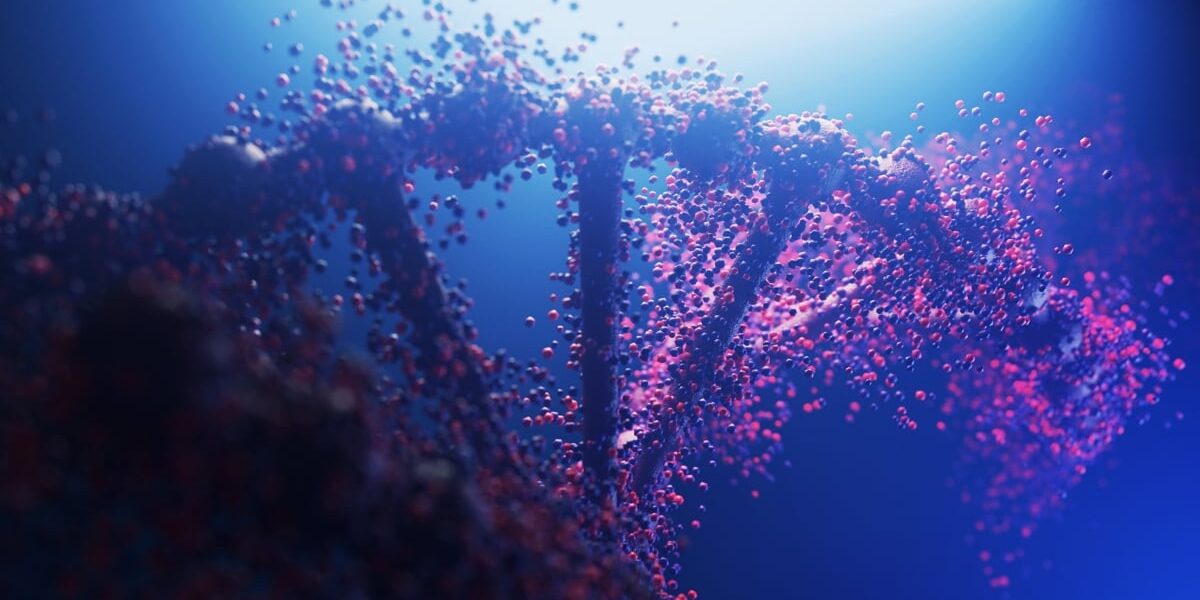
A recent study has unveiled previously unrecognized DNA structures within the human genome, challenging long-standing notions about genetic architecture. Researchers from a consortium of institutions used cutting-edge techniques to identify diverse formations of DNA, including what are known as “quadruplexes” and other non-canonical shapes. This groundbreaking discovery may reshape our understanding of genetic function and regulation, propelling a new wave of research into genetic coding and its intricate interplay with biological processes.
What happened
The unprecedented findings emerged from experiments conducted by an interdisciplinary team utilizing advanced imaging and sequencing technologies. Published in the journal Nature, the study provides compelling evidence that the human genome contains complex DNA structures that go beyond the iconic double helix. These structures, often forming in regions of high regulatory activity, have been shown to fluctuate dynamically within the cellular environment, suggesting a more nuanced role in gene expression than previously recognized.
Researchers detailed how these non-linear configurations could influence fundamental cellular processes, potentially impacting everything from chromosome structure to transcription regulation. For instance, the presence of G-quadruplexes—four-stranded configurations that can form in guanine-rich regions of DNA—was associated with certain genetic pathways linked to cancer and other diseases, indicating that these structures might serve as targets for therapeutic intervention.
Why it matters
The identification of unusual DNA structures carries significant implications for the field of genetics. Traditionally, DNA was primarily viewed through the lens of the double helix model, leading to a limited understanding of how genes are expressed and regulated. These new findings illuminate previously obscured pathways, suggesting that DNA’s physical structure plays a critical role in its functionality. Emerging data imply that genetic sequences are not merely static codes but dynamically interact within the cellular landscape to influence health and disease.
Moreover, understanding these complex DNA formations could enhance the precision of gene editing technologies, such as CRISPR, by providing insights into how genes might be better targeted or regulated. It opens the door for novel approaches in biomedicine, allowing for a more tailor-made strategy in treating genetic diseases, cancers, and other conditions influenced by genomic architecture.
What comes next
The outlook for future research is promising, as scientists are gearing up to explore the implications of these findings in greater depth. Investigations will likely focus on how these strange DNA structures interact with proteins and RNA, playing key roles in cellular decision-making processes. Understanding the full spectrum of the human genome will likely lead to discoveries of not just genetic risk factors but also fundamental insights into development and evolutionary biology.
As this field of research evolves, experts anticipate that large-scale studies will be needed to map these structures across different tissues and conditions. The next significant milestone will be the development of targeted research aimed at clarifying the relationship between these non-canonical DNA formations and diseases, potentially translating findings into actionable clinical insights within a few years.
Original Source: https://www.sciencealert.com/strange-dna-structures-found-in-the-human-genome-go-beyond-the-double-helix