Recent research has unveiled a groundbreaking development in the ongoing battle against a catastrophic fungal disease known as chytridiomycosis, which has been responsible for more amphibian extinctions than any other infectious disease. A new study highlights that certain toad populations may have developed surprising adaptations that allow them to survive this deadly fungus, potentially paving the way for future conservation efforts.
What happened
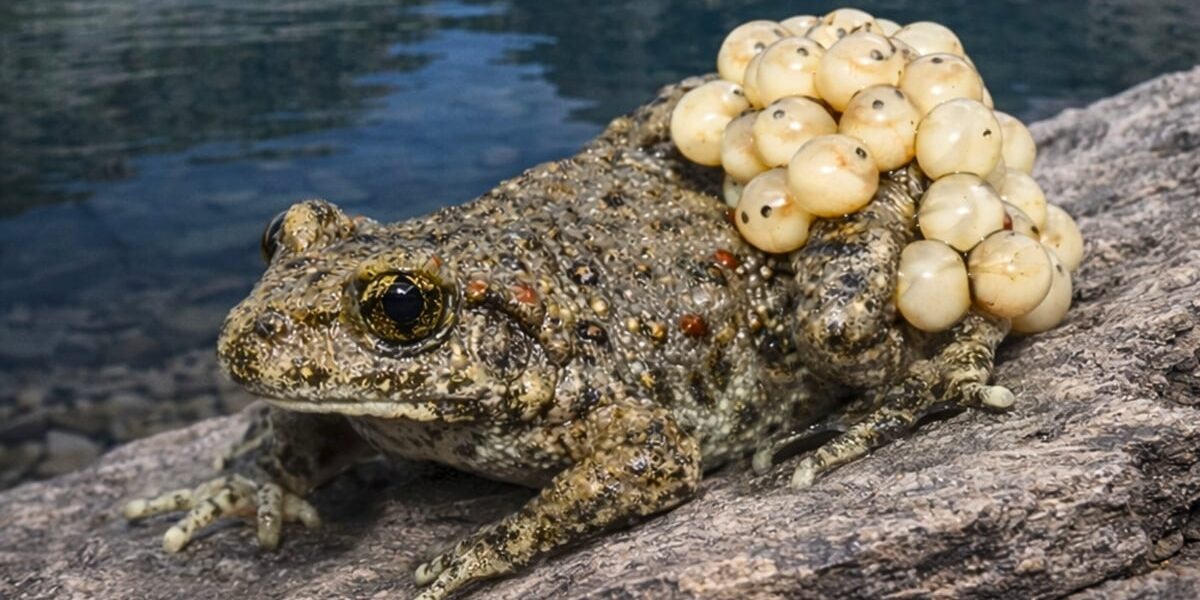
Chytridiomycosis, caused by the pathogen Batrachochytrium dendrobatidis, has wreaked havoc on amphibian species worldwide since it was first identified in the late 20th century. This fungus leads to severe skin infections that disrupt critical functions in amphibians, ultimately causing death in many cases. Evidence of mass die-offs in various species has prompted widespread concern in the conservation community. However, recent studies focusing on toads from the genus Bufo have shown that some populations have developed resilience to the fungal infection.
Researchers observed these toads in regions where chytrid outbreaks were prevalent. Remarkably, individuals from these populations exhibited both behavioral and physiological changes that enhance their ability to cope with the pathogen. For instance, they appear to alter their habitat preferences, seeking out drier and warmer environments, which may be less hospitable for the fungus. Furthermore, genetic analyses suggest that these toads are undergoing rapid evolutionary changes that enable them to better resist infection.
Why it matters
The survival of these adapted toad populations holds significant implications for the broader conservation landscape. Chytridiomycosis has caused declines in over 200 amphibian species, with some gone extinct before they could be studied. The discovery of resilient toads not only offers a glimmer of hope but also insight into how species can evolve in response to catastrophic disease pressures.
Understanding the mechanisms behind this survival can direct future conservation strategies. By identifying key genetic traits and adaptive behaviors, conservationists may devise targeted interventions that could help other at-risk amphibians. The potential for recovery and evolution in response to disease underscores the resilience of nature, providing critical information for the management of ecosystems currently struggling under the weight of multiple stressors, such as habitat destruction and climate change.
What comes next
The immediate outlook hinges on further investigations into the genetic and ecological processes underlying the adaptation seen in these toad populations. Researchers are keenly interested in identifying specific traits that confer resistance to chytridiomycosis, with the goal of improving breeding programs for endangered amphibian species. Future studies are set to examine how widespread these adaptations are among other amphibians and whether they can be replicated across different environments.
In the coming months, initiatives aimed at habitat restoration and ecological monitoring will be vital to ensure the long-term survival of both resilient toad populations and susceptible species. As scientists delve deeper into the complexities of amphibian resilience, they may unlock new strategies to combat not just chytridiomycosis, but other emerging infectious diseases threatening global biodiversity.
Original Source: https://www.sciencealert.com/one-fungus-has-caused-more-extinctions-than-any-other-infectious-disease-some-toads-have-found-a-way-to-survive-it