Latest developments
This week has seen significant advancements in scientific research that could have lasting impacts across various fields, particularly in pain management and materials science. A recent study has reported promising results for a novel approach to alleviating knee pain, potentially offering relief for millions suffering from osteoarthritis. In a separate breakthrough, physicists announced a record-setting room-temperature superconductor, a development that could revolutionize energy transmission and storage.
In the knee pain study, researchers employed a combination of regenerative medicine techniques, using a patient’s own stem cells to target inflamed tissues in the joint. Results from the clinical trials showed a marked decrease in pain levels among participants, with many reporting a significant improvement in mobility. This development builds on previous research that highlighted the potential of stem cells in tissue repair, moving closer to a legitimate alternative for conventional pain relief options which often include surgery or opioid medication.
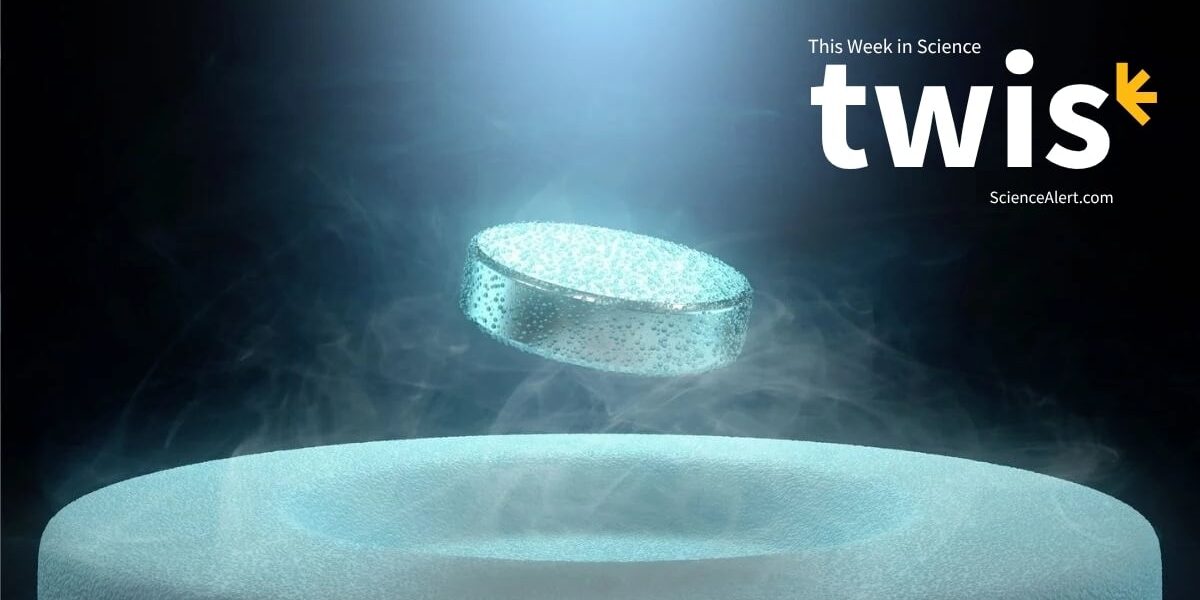
Meanwhile, the announcement regarding superconductors was made by a team of scientists from a prestigious research institution. They successfully produced a new material capable of conducting electricity with zero resistance at room temperature—a feat that has eluded researchers for decades. The material, a complex compound composed of elements such as hydrogen and sulfur, has the potential to change the landscape of energy efficiency. Its practical applications may include lossless energy transfer, advancements in magnetic levitation technologies, and enhanced medical imaging techniques.
Background and context
Knee pain, particularly from osteoarthritis, remains a predominant health issue, affecting millions of individuals globally. Traditional treatments have had varying degrees of success, often leaving patients searching for effective alternatives. Osteoarthritis occurs when the cartilage cushioning the joints breaks down, leading to pain and reduced mobility. Existing therapies largely focus on managing symptoms rather than addressing the underlying causes, making the recent advancements in regenerative medicine particularly noteworthy.
On the materials science front, superconductors are classified as materials that can conduct electricity without any energy loss, but they typically require extreme cooling to maintain their superconducting state. The previous limitations of superconductive materials have hindered their widespread application in technologies that could benefit from more efficient energy use. The pursuit of room-temperature superconductors has been a primary goal in condensed matter physics, driving research that could result in transformative changes in various industries, including transportation, computing, and healthcare.
What to watch next
Looking ahead, the continued exploration of stem cell therapies for knee pain will be closely monitored, especially as researchers aim to replicate these findings in larger, more diverse populations. Should these results prove consistent, they could lead to a paradigm shift in managing chronic joint pain, reducing dependency on more invasive treatments.
In the realm of superconductors, the implications of this week’s breakthrough will prompt further investigations into the stability and longevity of the newly discovered material. Researchers will likely explore ways to integrate this technology into existing systems, with an eye toward practical applications that could emerge within the next few years.
Together, these developments underscore the dynamic nature of scientific research and its potential to address pressing health issues and technological challenges. As the implications of these findings unfold, they could shape the future of pain management and energy efficiency in significant ways.
Original Source: https://www.sciencealert.com/this-week-in-science-knee-pain-relief-a-superconductor-record-and-more