
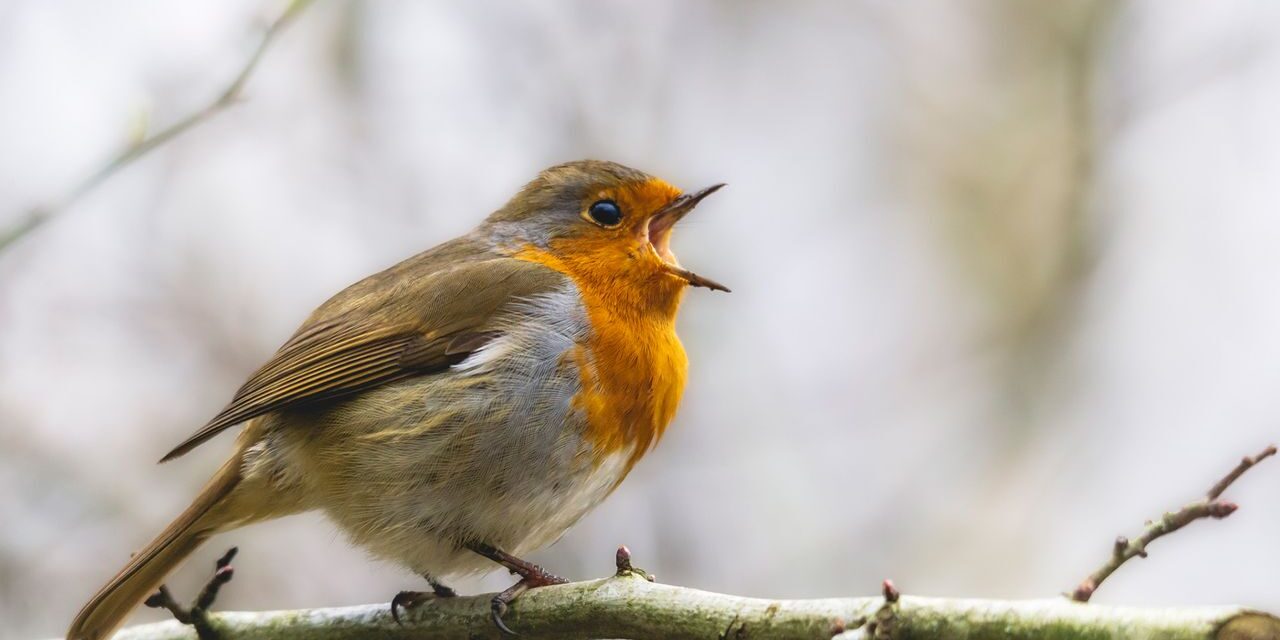
In recent weeks, the alarming trend of trapping and smuggling songbirds for profit has escalated, driven by an insatiable demand for these creatures in singing competitions. This market, popular in various regions of Asia and parts of the Americas, is not only harming bird populations but also raising ethical concerns among wildlife advocates and the general public. As awareness grows, reactions from various sectors are becoming more pronounced.
Immediate reaction
Animal rights groups have swiftly condemned the practices associated with songbird competitions. Organizations such as the National Audubon Society and the World Wildlife Fund have issued statements calling for urgent intervention. “The gamble on the lives of these birds for entertainment must end,” remarked a spokesperson from the Audubon Society. Meanwhile, local communities in regions known for these competitions are divided; some see them as cultural heritage, while others express horror at the environmental consequences.
In social media circles, outrage is palpable. Viral campaigns hashtagged with #SaveTheSongbirds are flooding platforms, urging consumers to reject competitions that exploit these living beings. Public petitions are being made to local governments, demanding tighter regulations against the trapping and sale of songbirds.
What triggered the move
The surge in bird-singing competitions can be traced back to a rise in social media influencers showcasing these events, glorifying the artistic value of trained songbirds. In seeking prestige, participants often resort to unethical practices in the acquisition of their avian competitors. Predatory trappers exploit vulnerable species, capturing them from their natural habitats to sell at heightened prices motivated by competition success.
Moreover, the lucrative nature of bird trading has attracted organized smuggling operations, further complicating conservation efforts. As a result, more species are being pushed to the brink, with conservationists warning that some could face extinction if the current trend continues unregulated. The demand has sparked a shadowy economy that thrives on the desperation of both the birds and their captors.
Why readers should care
Understanding the plight of songbirds goes beyond ecological concerns—it touches on broader issues of wildlife conservation and ethical consumerism. The rapid decline of songbird populations can disrupt entire ecosystems, as these creatures play essential roles in pollination and pest control. Affected habitats may lead to a host of environmental repercussions, including potential impacts on agricultural systems.
Furthermore, the exploitation of songbirds raises difficult questions regarding animal welfare and cultural practices. As consumers, individuals have the power to influence change through their choices. It is vital for society to collectively reject practices that commoditize living beings for competition and entertainment, promoting instead respect for nature and biodiversity.
In the short term, if the current reactions continue to gain traction, we may see increased scrutiny from regulators, potentially leading to stricter laws against the trapping and trade of songbirds. Activism, consumer awareness, and responsible policies could serve as crucial steps toward protecting songbird populations from further decline.
Original Source: https://www.livescience.com/animals/birds/songbirds-are-in-crisis-as-trappers-and-smugglers-force-them-into-lucrative-bird-singing-competitions