
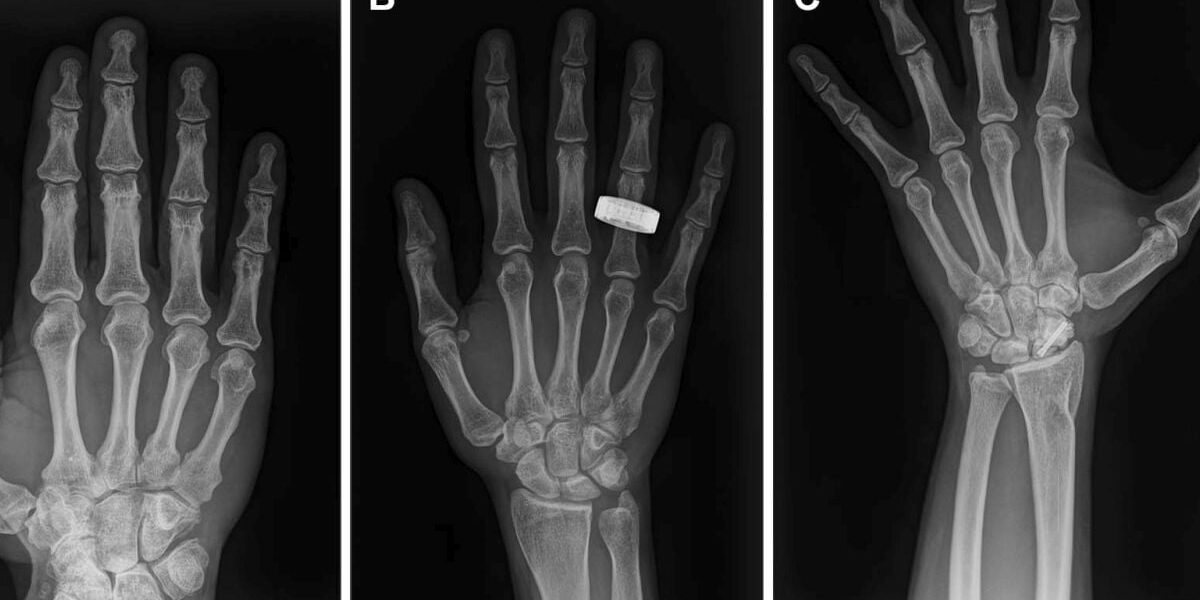
In a groundbreaking achievement for space health technology, astronauts aboard the International Space Station (ISS) have successfully conducted the first human X-ray scans in space. This pioneering effort not only demonstrates the feasibility of performing advanced medical imaging in microgravity but also opens doors for improved astronaut health monitoring during long-duration missions, such as those planned for Mars.
What happened
During a recent expedition, a team of astronauts utilized a compact portable X-ray machine to perform scans on crew members, marking a significant step in space medicine. The scans were conducted by trained personnel within the ISS, where tight quarters and the unique environment of space present distinct challenges for medical procedures. The equipment was specially designed to function effectively in the absence of gravity, allowing for high-quality imaging under these unusual conditions.
The successful execution of these X-rays was confirmed by mission control, which received the images and noted their quality. This achievement is not just a technical win, but also a reassuring development for future missions, where understanding and treating physical ailments in space will be crucial.
Why it matters
The ability to perform X-ray scans in space holds significant implications for crew health and mission success. Current protocols for addressing medical emergencies in space rely heavily on Earth-based support, where medical professionals guide astronauts through procedures from thousands of miles away. However, this method is limited by communication delays and the inability to provide hands-on assistance.
As missions to Mars and beyond are planned, the necessity for autonomous healthcare capabilities becomes increasingly evident. The successful implementation of X-ray technology allows astronauts to obtain immediate diagnostic information, enabling quicker and potentially life-saving decisions in emergency situations. Furthermore, X-ray scans can help monitor the effects of long-term space travel on human physiology, such as changes in bone density and muscle atrophy, which are critical factors in space health research.
What comes next
Following this successful pilot of human X-ray imaging, space agencies are likely to explore further enhancements in medical technology for the ISS and future missions. Ongoing evaluations and research will focus on refining the current imaging techniques and expanding the available medical toolkit for astronauts.
Looking ahead, the next watchpoint will be the implementation of advanced telemedicine capabilities, which could enable real-time analysis of medical scans by specialists on Earth. This would help bridge the gap between in-space diagnostics and the expertise available at home, ensuring that astronauts receive the best care possible while venturing far from Earth.
As humanity sets its sights on deeper space exploration, the ability to monitor and treat health issues in astronauts will be paramount for mission safety and success.
Original Source: https://www.sciencealert.com/astronauts-have-taken-the-first-human-x-rays-in-space-and-they-actually-worked