
Latest developments
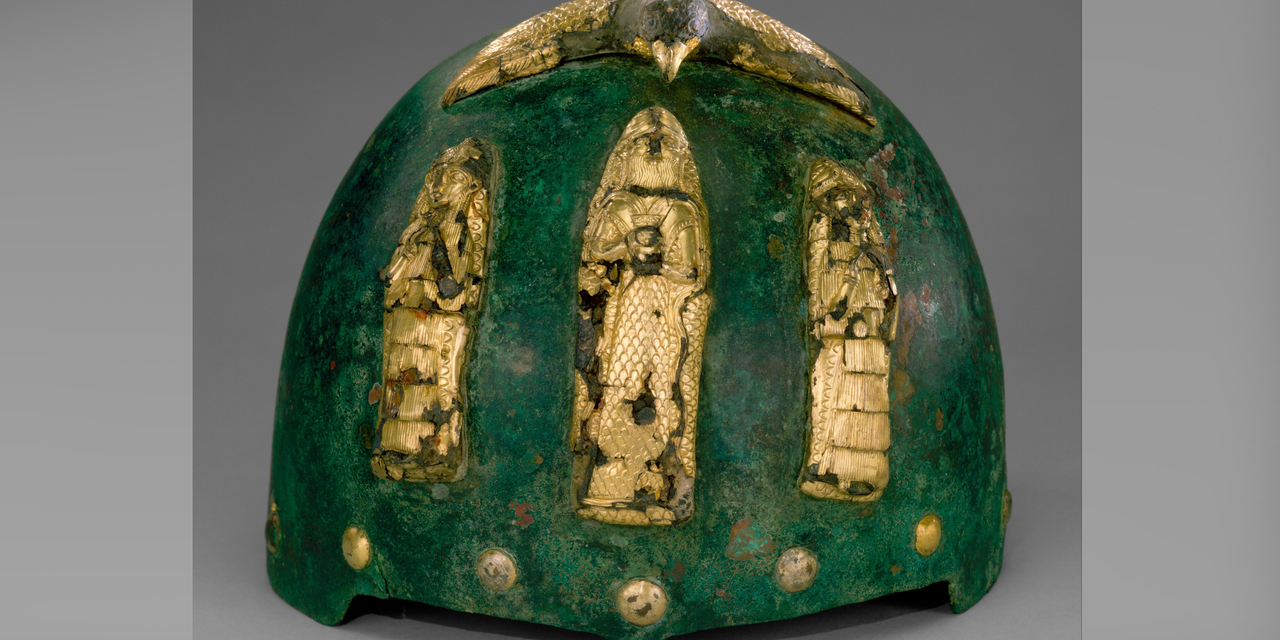
Recent archaeological discoveries in southwestern Iran have revealed a remarkable artifact: a 3,500-year-old bronze helmet adorned with divine figures. This Elamite helmet, uncovered in the ancient site of Susa, presents intricate depictions of gold-plated deities and a raptor, suggesting a strong connection to the spiritual beliefs of elite warriors in the Elamite civilization. These findings not only enrich our understanding of Elamite culture but also provide valuable insights into the complexities of warfare and spirituality in ancient societies. Researchers are currently analyzing the helmet’s design and symbolism, aiming to establish deeper links between the artifact, the warrior elite, and religious practices of the time.
Background and context
The Elamite civilization thrived in what is now southwestern Iran from around 3200 BC to 640 BC, playing a significant role in the ancient Near East. Susa was one of its most influential centers, where powerful rulers held sway over vast territories and established complex societies. The rich artistic tradition of the Elamites often featured intricate motifs that reflected their beliefs, arts, and militaristic nature.
Archaeological excavations in Susa have yielded numerous artifacts, yet this helmet stands out due to its exceptional craftsmanship and the richness of its iconography. The helmet’s design, featuring stylized representations of a raptor—symbolic of power and divine protection—alongside gold-plated figures believed to represent important deities, indicates the helmet’s significance not merely as protective gear but as an item imbued with spiritual and cultural meaning. This dual role of functional and ceremonial illustrates how elite warriors in ancient times were not only combatants but also spiritual defenders of their society.
The Elamite civilization is traditionally recognized for its conflicts with neighboring cultures, including Mesopotamia, and the helmet may represent the fusion of martial prowess with divine favor—an essential concept for leaders seeking legitimacy and authority on the battlefield.
What to watch next
The unveiling of this helmet marks a pivotal moment for historians and archaeologists studying the Elamite civilization. Ongoing research will likely focus on contextualizing this helmet within broader military and religious practices of the Elamites. Scholars are particularly interested in comparisons with other ancient cultures, such as Mesopotamia and the Hittite Empire, to understand how interregional interactions influenced armor design and iconography.
In addition, further studies of the burial site and surrounding artifacts are expected, which may uncover more insights into the lives and deaths of those in the elite class of Elamite society. As more artifacts are analyzed, we can anticipate a richer narrative of the interplay between warfare, art, and spirituality in ancient cultures. The implications of these findings could reshape our understanding of the interconnections among ancient civilizations and the role of symbolism in their artifacts.