
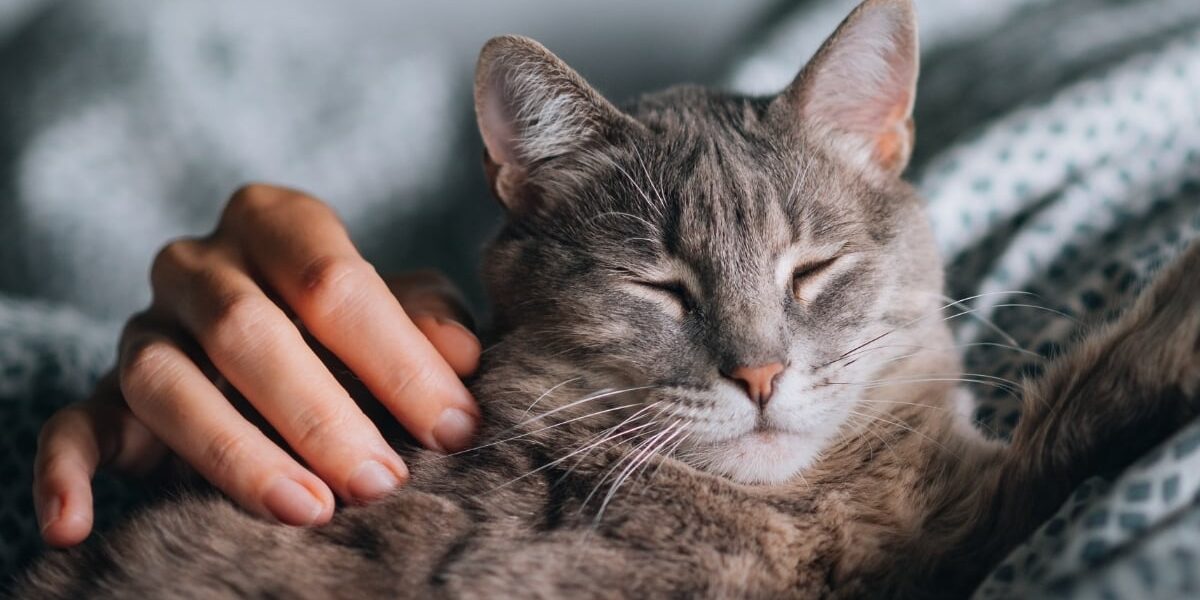
A recent study has revealed that while many people believe their feline companions help alleviate stress, the reality may be more nuanced. The research, published in a respected pet-focused journal, suggests that interactions with cats do not uniformly reduce stress levels as commonly assumed. This finding is significant, particularly as the bond between humans and pets, especially cats, has been hailed as a bastion of emotional support and therapeutic benefits.
Key details
The study involved a diverse group of cat owners who reported their experiences and stress levels in relation to their pets. Researchers utilized surveys and physiological measurements, such as heart rate variability, to assess stress responses before and after interactions with their cats. Surprisingly, the results indicated that while some individuals felt comforted by their cats, others experienced no significant change in stress levels, and a portion even felt increased anxiety during interactions.
This variability in responses raises important questions about the assumptions surrounding pet ownership and emotional support. The study emphasized that factors such as individual personality, specific pet behavior, and overall mental health could influence the perceived benefits of cat companionship. The researchers noted the complexity of the human-animal bond and the need for a more customized approach to understanding its effects.
Why this matters
This revelation challenges long-held beliefs about pet therapy and its universal applicability. Cats are often perceived as low-maintenance companions that provide comfort and emotional support. The notion that they can universally ease stress plays into broader narratives about the emotional benefits of pet ownership. However, this new data suggests that not all cat interactions will lead to a decrease in stress, highlighting the importance of recognizing individual experiences.
Moreover, for those seeking emotional support or stress relief, the implications of the findings are critical. If cats do not reliably provide the expected benefits, individuals may need to explore additional or alternative strategies for managing stress. This could include seeking companionship from other animals, engaging in proactive mental health practices, or participating in social activities outside of pet ownership.
Broader picture
As mental health continues to be a vital public health issue, understanding the factors that contribute to stress relief becomes increasingly important. The bond between humans and pets has often been celebrated for its potential to improve well-being. However, this study serves as a reminder of the complexities inherent in pet ownership. Its findings align with a growing body of evidence suggesting that emotional support does not come in a one-size-fits-all package.
In light of this research, cat owners may want to reevaluate their expectations regarding stress relief from their pets. It is essential to acknowledge the multifaceted nature of emotional well-being and the diversity of experiences among pet owners. As we explore avenues for better mental health, this study highlights the importance of tailoring support systems to meet individual needs, rather than relying on generalized assumptions about the pet-human relationship.
Original Source: https://www.sciencealert.com/your-cat-may-not-ease-stress-the-way-you-think-study-finds