
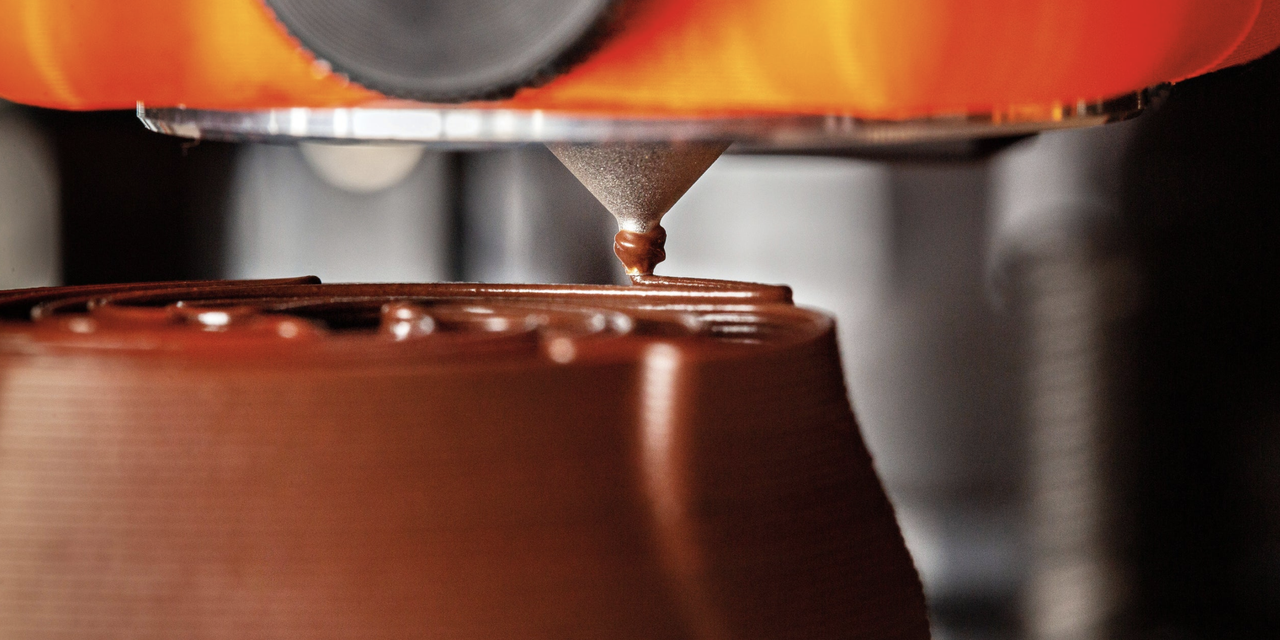
In a delightful blend of technology and culinary artistry, the advent of 3D printing for chocolate is transforming the way we approach dessert. This increasingly popular technique enables chocolatiers and food enthusiasts to craft intricate designs and shapes that were previously hard to achieve through traditional methods. As the technology evolves, it promises to revolutionize not just how we create chocolate, but also how we think about food customization.
Key details
3D printing chocolate typically involves specialized printers that extrude melted chocolate through a nozzle, layer by layer, to construct a nearly endless array of shapes. This method allows for complex designs, including filigree, geometric patterns, and custom molds that cater to consumer tastes. Various types of chocolate can be used, from dark and milk chocolate to white chocolate and even flavored blends, accommodating a wide range of preferences.
Companies like Choc Edge and The Chocolate Printer are at the forefront of this innovation, providing businesses and home users the tools to experiment with chocolate creations. These printers often require specific chocolate formulations—thinner and more fluid than the traditional type—to facilitate the extrusion process. The technology typically appeals to bakers and confectionery ventures, but it also holds promise for home chefs looking to add a personal touch to their edible offerings.
Why this matters
The significance of 3D printing chocolate extends beyond merely crafting unique sweets. It presents opportunities for personalization in an era where consumers increasingly seek tailored experiences. As the holiday season approaches and celebrations abound, the ability to design and print custom chocolate gifts or unique centerpieces can add a meaningful touch to traditional festivities.
Moreover, this innovation holds practical benefits, including reduced waste and the potential for streamlining production. By digitally modeling creations before physical production, chocolatiers can experiment without the risk of excess materials being used, thus promoting more sustainable practices within the food industry. As consumer preferences shift toward environmentally friendly production methods, 3D chocolate printing may carve out a space for itself in sustainable gastronomy.
Broader picture
The rise of 3D chocolate printing is part of a larger trend in the culinary world that embraces technology to enhance creativity. Similar applications have been seen in savory dishes, desserts, and even in the preparation of complex dishes that require precise construction. As kitchen technology continues to advance, we may soon see more home chefs experimenting with 3D printing to create enticing presentations and flavors right in their own kitchens.
Looking ahead, as 3D printing technology becomes increasingly accessible and affordable, we may find it playing a larger role in both professional kitchens and home routines. The ability to customize and create unique chocolate products could reshape our culinary landscape, encouraging a new wave of innovation and personalization in the food sector. In the end, as this sweet trend continues to develop, one thing remains clear: the intersection of technology and food is ripe for exploration, and for many, the results are undoubtedly mouthwatering.
Original Source: https://www.creativebloq.com/3d/i-just-discovered-you-can-3d-print-chocolate-and-now-im-hungry