
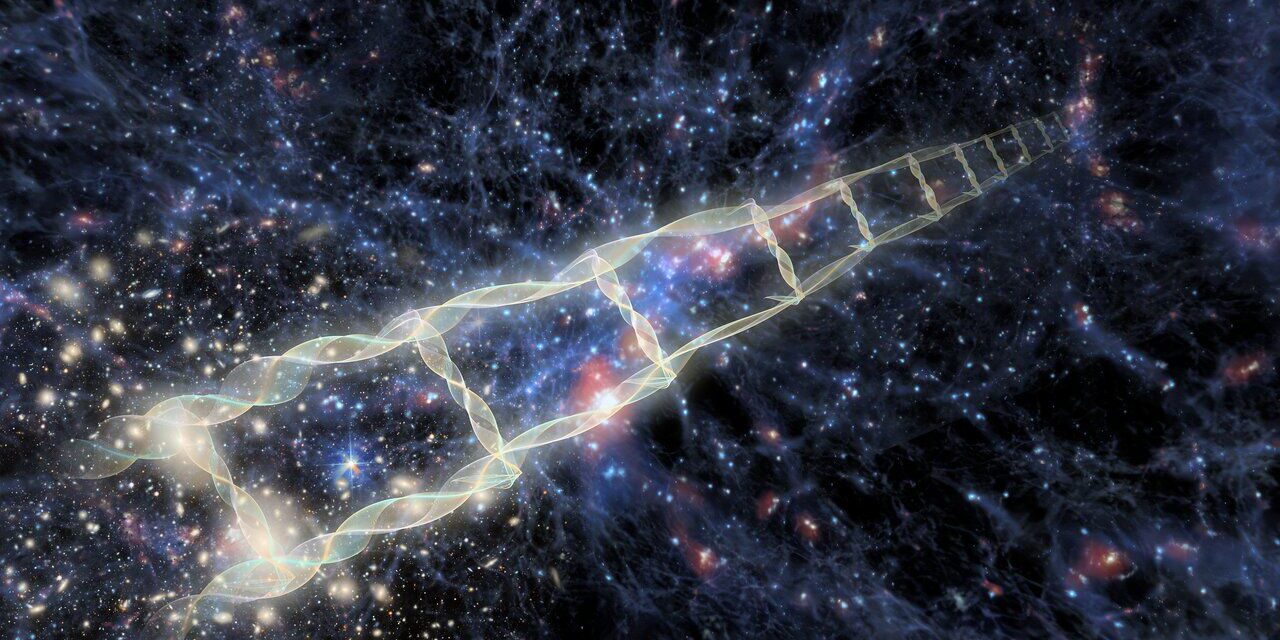
A recent extensive study examining the dynamics of cosmic expansion has uncovered significant gaps in our knowledge of how the universe is growing. This research, regarded as the most comprehensive of its kind to date, not only deepens existing mysteries surrounding dark energy but also poses new questions about our fundamental understanding of physics.
Key details
The study was conducted by an international team of astronomers and cosmologists who utilized advanced observational data from telescopes around the world. They aimed to refine measurements of the universe’s expansion rate, known as the Hubble constant. By comparing various cosmic phenomena, such as supernovae and the cosmic microwave background radiation, the researchers found a troubling disparity that suggests our models are incomplete.
Traditionally, two methods have been used to calculate the Hubble constant: observing the early universe through its radiation and measuring the distances to nearby galaxies. However, discrepancies between these measurements have intensified in recent years, leading scientists to question the very nature of cosmic expansion. This latest study not only confirms previous findings but also extends the search for explanations into new areas of research.
Why this matters
The implications of these findings extend well beyond theoretical astrophysics. A clearer understanding of the universe’s expansion could inform various fields, including the development of new technologies related to energy and materials. Moreover, addressing the mysteries of dark energy—believed to constitute roughly 68% of the universe—could reshape our understanding of fundamental physics and possibly lead to new scientific paradigms.
From a practical standpoint, a better grasp of the expansion rate could enhance our capabilities in predicting cosmic events and advancing space exploration efforts. Furthermore, it may influence future missions with the potential to probe deeper into cosmic phenomena and gather vital data that could bridge the existing gaps.
Broader picture
This study represents a microcosm of the challenges faced in modern science, where advancements in data collection often expose limitations in our existing knowledge frameworks. As physicists attempt to reconcile these discrepancies, the potential for groundbreaking discoveries remains alive. The inconsistencies highlight the need for innovative theories that can encompass a broader range of observations—perhaps even leading to the unification of quantum mechanics and general relativity.
However, the path forward is fraught with uncertainty. Each new piece of data potentially shifts our perspective, stressing the necessity for patience and vigilance as researchers work to uncover the secrets of our universe. As the quest for a cohesive understanding of cosmic expansion continues, one thing remains clear: there is much still to learn about the nature of the cosmos.
Original Source: https://www.livescience.com/space/somethings-missing-most-thorough-ever-study-of-the-cosmos-proves-we-still-cant-explain-how-the-universe-is-expanding