The world of wildlife photography is an exhilarating realm that requires not only a sharp instinct but also a robust understanding of the craft. While capturing a creature in its habitat is a riveting experience, there remains the potential to elevate these images into the realm of artistry. Recently, wildlife experts and seasoned photographers have shared a set of 11 essential tips that can revolutionize amateur wildlife photography into a catalogue of avant-garde artwork.
1. Understand Your Subject: The essence of wildlife photography lies in capturing the subject in its most authentic form. Developing a deep comprehension about your subject’s behaviour, habits, and habitat can significantly multiply the depth and dimension of your photos. Study your subject, anticipate its moves, and be patient.
2. Respect The Wild: As a rule of thumb, never disturb wildlife. The ethos of exceptional wildlife photography is to document animals in their natural state. Don’t coerce them into action just for a unique shot.
3. Play with Light: Good lighting can transform a typical wildlife shot into a masterpiece. Early morning or late evening light offers softer hues and longer shadows, creating a dramatic and artistic effect.
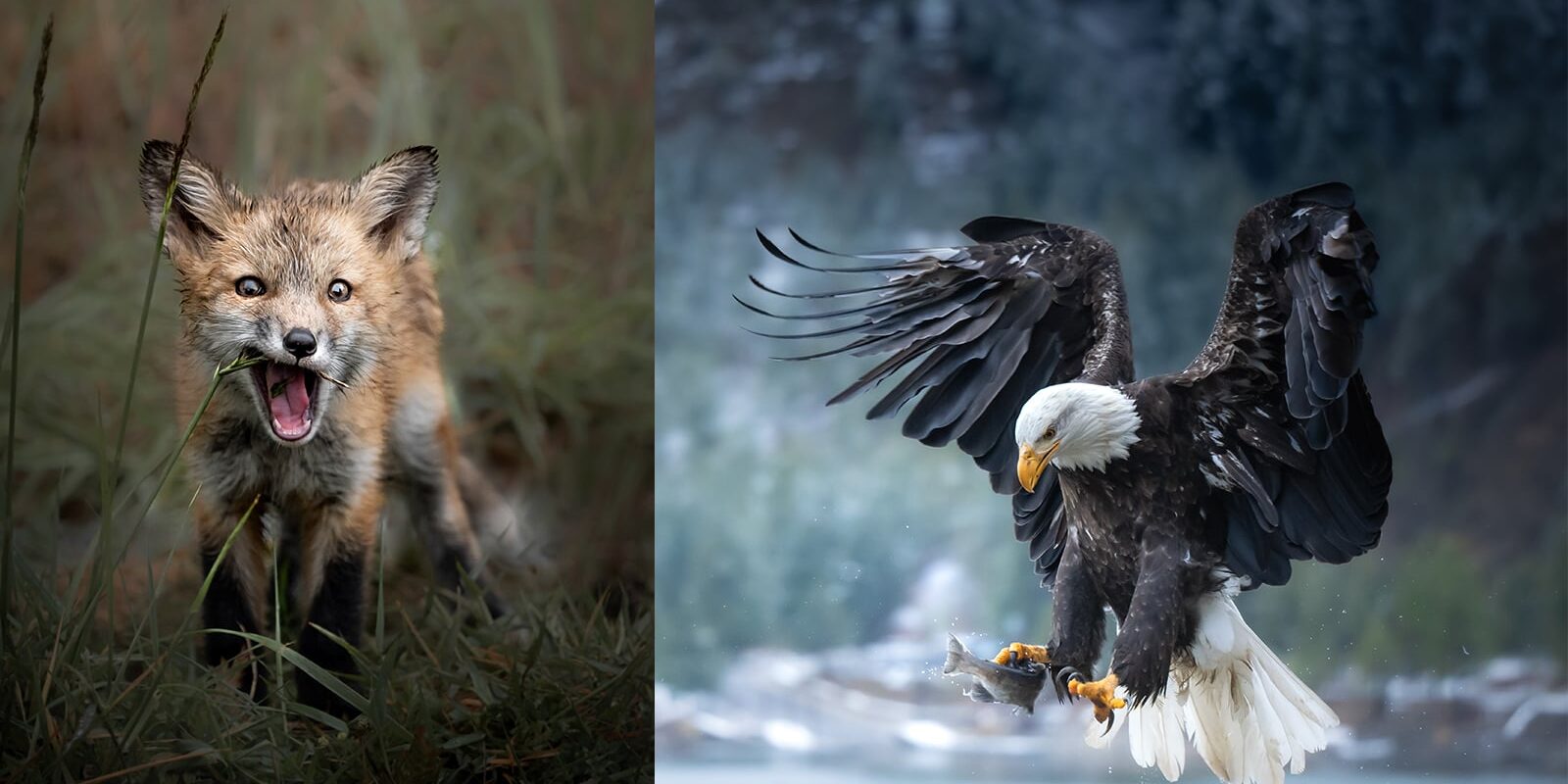
4. Eye contact: Shots where the animal makes eye contact with the lens often resonate with viewers, as they create a feeling of connection between the subject and the observer.
5. Action Shots: A blurred image of a bird in flight or an animal on the move lends a sense of motion and vitality. To master action shots, practicing panning—a method in which the camera follows the moving subject—is recommended.
6. Experiment with Focus: Not every shot needs to be meticulously sharp. To create an artistic touch, play around with selective focus or even intentional blur.
7. Think Composition: Rule of thirds, leading lines, symmetry, and framing can turn a common wildlife picture into a piece of art. Instead of placing the subject in the centre, try using these compositional techniques to add visual interest.
8. Use the Environment: The animal’s environment conveys a significant part of the story. Including surrounding landscape, foliage, or weather can provide context and add to the artistry of your shot.
9. Capture Emotions: Animal behaviors presenting love, anger, joy, or trauma can evoke deep emotions in viewers, making the photos stand out.
10. Try Different Perspectives: To create unique shots, experiment with varying perspectives. Low-angle shots, for example, often render a sense of grandeur to the subject.
11. Post Processing is Key: Post photography edits can further enhance the image. Use editing software to adjust exposure, contrast, and sharpness, or to crop the image for better composition.
These tips in recent online coverage offer invaluable insights to photographers aiming to evolve from mere documentation to creating art in the wild. To summarise, the key to capturing artistic wildlife images is to appreciate and understand the world you’re entering, to be patient, and to experiment persistently with photography techniques.
As National Geographic renowned photographer Steve Winter puts it, “Wildlife photography has the power to change the world.” So armed with these tips, go forward and discover the world of opportunities in the wilderness, and bring those experiences alive through your lens. Infusing your pictures with this newfound artistry will not only add to your portfolio but also heighten viewers’ understanding and appreciation of our incredible, diverse world.
Original Source: https://petapixel.com/2026/03/31/beyond-the-sharp-shot-11-tips-to-take-artistic-wildlife-photos/