In a recent pioneering operation, medical practitioners were able to treat a lethal heart rhythm disturbance utilizing advanced technology known as a digital twin. This innovative approach signifies not only a remarkable advancement in medical technology but also a stellar example of the fusion between health and digital technology.
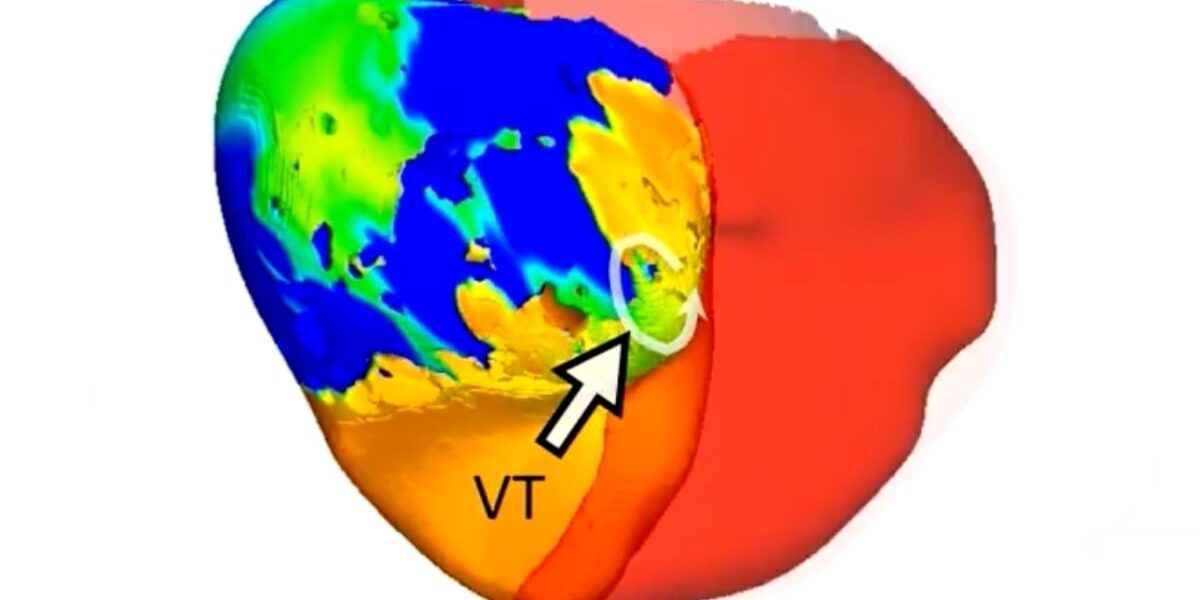
Derived from French tech firm Dassault Systèmes’ Living Heart Project, a digital twin is essentially a virtual replica of a patient’s heart. This detailed 3D model, derived from MRI scans, flawlessly imitates each individual’s unique cardiac anatomy. Cardiologists can then interact with the model, allowing them to anticipate potential complications and accurately determine the most effective treatment plan.
The exceptional incident, reported on CBS News, involved a 69-year-old patient diagnosed with ventricular tachycardia. This potentially deadly condition is characterized by a rapid, irregular heart rhythm, originating from the ventricles. The swift pulse prevents the heart from efficiently pumping blood, ultimately causing cardiac arrest if left untreated.
The challenging operation took place at Barnes-Jewish Hospital in St. Louis, Missouri, under the supervision of Dr. Philip Cuculich, a renowned cardiologist specializing in cardiac electrophysiology. In an interview, Dr. Cuculich shared, “Before this procedure, patients with ventricular tachycardia had limited treatment options and poor prognoses. This application of digital twin technology could be a game changer.”
The complex procedure, known as a catheter ablation, typically involves inserting a catheter into the heart. The catheter is then directed to the area of the heart that’s causing the irregular rhythm. By delivering heat or freezing temperatures, it destroys the problematic tissue, thereby controlling the abnormal heartbeat. Traditional catheter ablation, however, carries significant risks.
Using the digital twin technology, Dr. Cuculich and his team were able to map the patient’s heart and recreate the specific condition. Post simulation, the doctors applied their insights in real-time, guiding the catheter more accurately and safely destroying the trouble-causing heart tissue. This innovative, less invasive approach resulted in the successful ablation of the patient’s arrhythmia.
“By rehearsing the patient’s specific heart condition in a digital environment, we were able to better predict and prevent potential complications, markedly improving the patient’s outcome. The accuracy this technology provides is unprecedented,” Dr. Cuculich added.
Implications of the successful application of digital twin tech extend beyond treating ventricular tachycardia. It opens up wider prospects in treating other heart conditions and drastically improving the predictability and safety of invasive procedures.
Steven Levine, the leader of Dassault Systèmes’ Living Heart Project, added, “Our goal wasn’t just to create a stunningly accurate virtual model of the heart but to harness this technology for clinical benefit. This groundbreaking intervention is proof of that potential.”
Praises have also been coming from outside the medical profession for the intervening technology. Daniel Newman, a technology analyst, commented, “This is transformative technology. It really shows how digitalization can impact healthcare, and it’s just the start.”
Although further research and regulatory approval are needed before this becomes a commonplace procedure, experts in the field see the incident as a notable milestone. With the world increasingly moving towards the amalgamation of technology and healthcare, the successful intervention of the digital twin in treating a fatal heart condition signifies a remarkable advancement, bringing us one step closer to the future of medicine.
Original Source: https://www.sciencealert.com/doctors-treated-a-deadly-heart-rhythm-with-help-from-a-digital-twin