
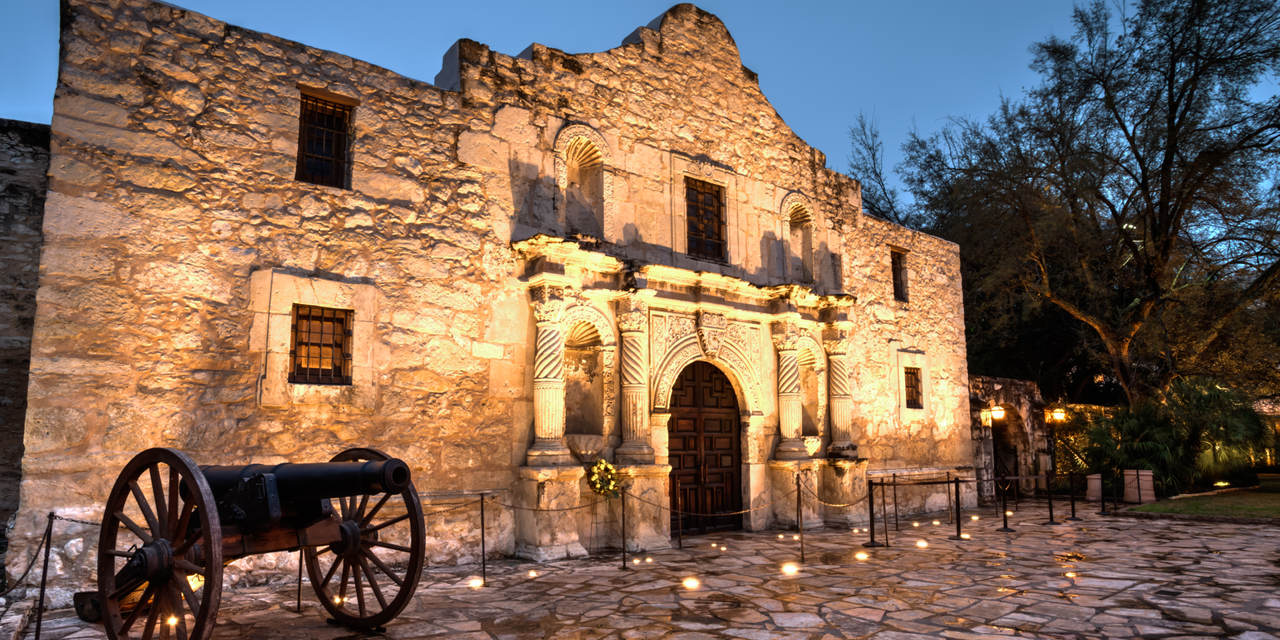
As the 190th anniversary of the influential Alamo battle was about to dawn, an astonishing archeological discovery was made that caused a stir of excitement among history enthusiasts. On the day before the significant date, a cannonball dating back to the time of the memorable conflict was unearthed at the historic site.
This discovery resonates poignantly with a critical chapter in American history, providing a tangible connection to the events that unfolded at the Alamo in 1836. The battle resulted in the deaths of numerous participants, including the legendary Davy Crockett, an iconic American folklore figure.
It is not the first time remnants of the Battle of the Alamo have been found. However, the timing of this particular finding, one day before the 190th anniversary, is remarkable. The find was the outcome of an ongoing archaeology project at the Alamo Church, conducted by the Alamo Trust, that seeks to uncover more of the site’s fascinating past. Local news outlets and online platforms have been buzzing with coverage on this unexpected yet timely discovery.
The infamous Battle of the Alamo was a 13-day siege in which Mexican troops, led by President General Antonio López de Santa Anna, overcame the Texan defenders. The site, essentially a mission and fortress compound, is remembered as a symbol of heroic resistance for Texans during their battle for independence. The death of key American figures like Davy Crockett contributed to the larger narrative that cast the Alamo conflict as a pivotal moment in American history.
The discovery of the cannonball brings renewed attention to the battle and the crucial role it played in the Texas Revolution. For historians and archaeologists, this finding, alongside previous artefacts – such as musket balls, a Mexican sword tip, and smoking pipe pieces – sheds more light on the life at the Alamo during the 1836 siege.
The Alamo Trust’s archaeologists were reportedly carrying out routine excavations in an area of the site believed to be the location of the historical battle’s west wall when the discovery occurred. The cannonball is slated to undergo further analysis to confirm its origin and other relevant details. The avid online reaction to the discovery among history enthusiasts underscores the enduring appeal and relevance of events that transpired nearly two centuries ago.
The 190th anniversary of the battle followed the next day, casting a timely spotlight on this critical point in history. Amid the anniversary, the discovery of the cannonball symbolized a tangible reminder of the people and stories tied to the site – each artefact a valuable thread in the rich tapestry of the Alamo’s past. The find sparked renewed interest in the battle, an event that, despite its tragic consequences, undoubtedly shaped the course of Texas history and established the Alamo as a beacon of defiant resistance.
Commemorative events marking the 190th anniversary were held at the Alamo, where the discovery further ignited public interest already heightened by the milestone year. Community members, historians, students, tourists – they all gathered to pay tribute, learn, and understand more about this iconic event and its enduring relevance.
In the days of information overload and unceasing news cycles, unexpected connections to our shared history offer an understanding that is both grounding and refreshing. As the world observes many significant anniversaries this year, the discovery at the Alamo site serves as a tangible reminder of the past’s influence on the present, further cementing the Alamo’s place in historical consciousness.
The commemoration of the Alamo battle and this timely discovery work in tandem to create a dialogue that connects the past to the present and reminds us of our historical roots. In its own way, this cannonball, unearthed after almost 190 years, creates a connection through time, keeping the memory of the Alamo alive.