
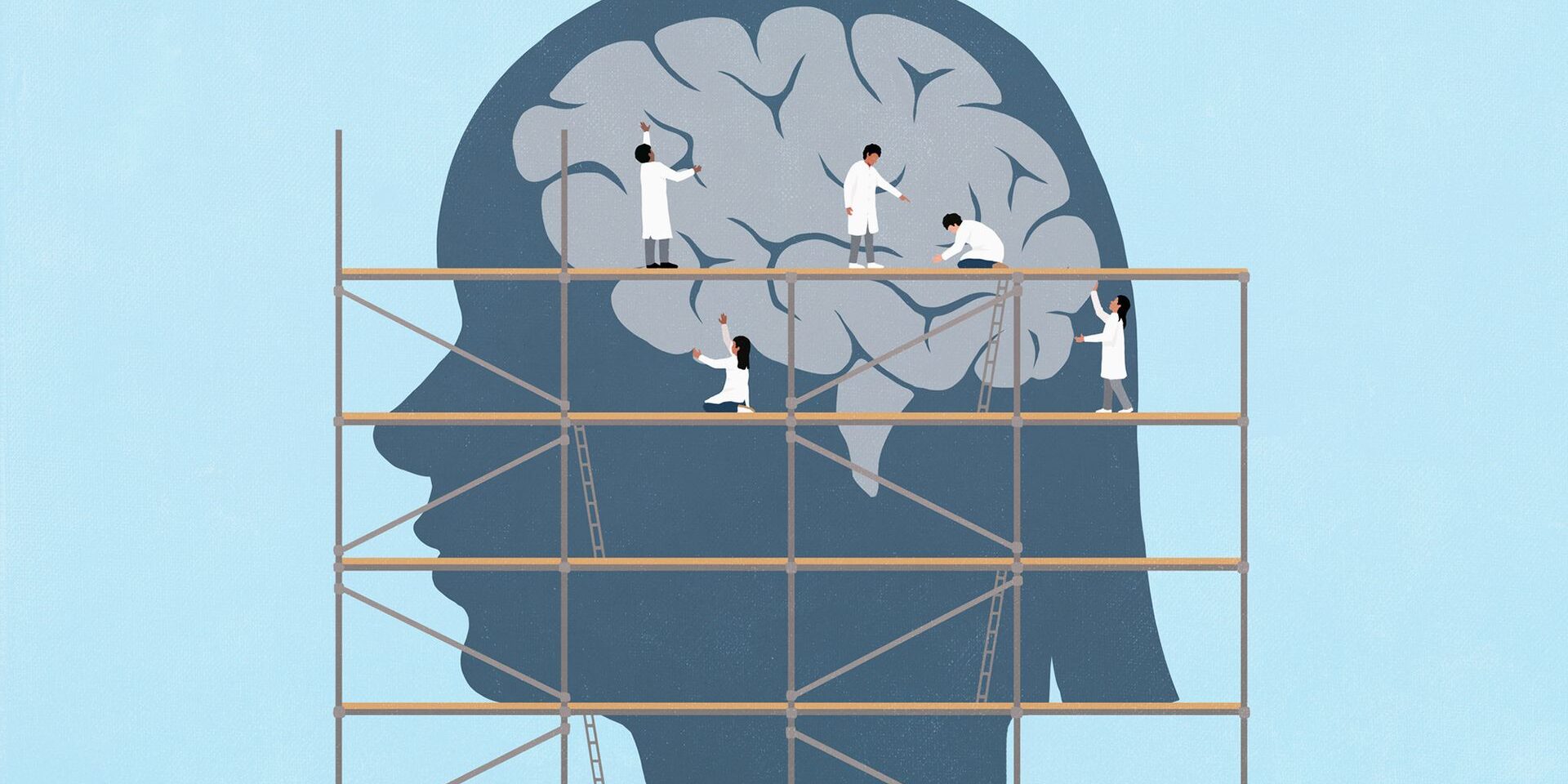
In a groundbreaking shift for psychiatry, the American Psychiatric Association has announced that the upcoming edition of the Diagnostic and Statistical Manual of Mental Disorders (DSM-6) will include biological markers for various mental health conditions. This significant development, equivalent to a paradigm shift in the field, could revolutionize how disorders such as depression, anxiety, and schizophrenia are diagnosed and treated, paving the way for a more objective and scientific approach to mental health care.
What happened
The decision to integrate biological markers into the DSM-6 marks a significant evolution from the traditional reliance on subjective assessments and self-reported symptoms. Historically, mental health diagnoses have been largely qualitative, relying on patient interviews and behavioral observations. However, recent advancements in genomics and neurobiology have enabled researchers to identify specific biological indicators associated with certain mental health conditions.
Leading psychiatrists, including Dr. Jane Thompson, a prominent figure involved in the DSM-6 development, noted that the introduction of these markers is not about replacing clinicians’ assessments but enhancing them. “Having a biological test will be like a blood test for diabetes; it will support clinical findings and help confirm diagnoses more reliably,” she explained. This could mitigate issues related to misdiagnosis that patients often face due to the subjective nature of previous diagnostic criteria.
Why it matters
The implications of this shift are profound. For patients, a blood test or other biological indicator could lead to earlier and more accurate diagnoses, ultimately fostering personalized treatment plans that are better tailored to individual needs. This might also help to reduce the stigma often associated with mental health illnesses, as biological markers could support the recognition of mental health disorders as legitimate medical issues.
Moreover, the inclusion of biological markers could push forward research into the underlying causes of mental health disorders, encouraging the development of new therapeutic interventions. As Dr. Thompson pointed out, “We are on the cusp of a new era where mental health care can be integrated with physical health care, enhancing the overall approach and resources allocated to patient care.”
What comes next
As the mental health community prepares for the DSM-6’s release, several key questions arise surrounding implementation and accessibility. Will these biological tests be widely available, and will insurance companies cover them? Additionally, ongoing research is essential to validate the proposed markers and ensure their reliability across diverse populations. The next few years will likely be critical in assessing both the efficacy of these biological tests and their acceptance within the broader healthcare system.
The potential for further developments in this field is immense, with experts advocating for continued investment in research on biological indicators and their correlations to mental health. For the time being, the introduction of biological markers signifies a hopeful and transformative direction for mental health care, promising to enhance diagnostic capabilities and patient outcomes.