
The latest turn
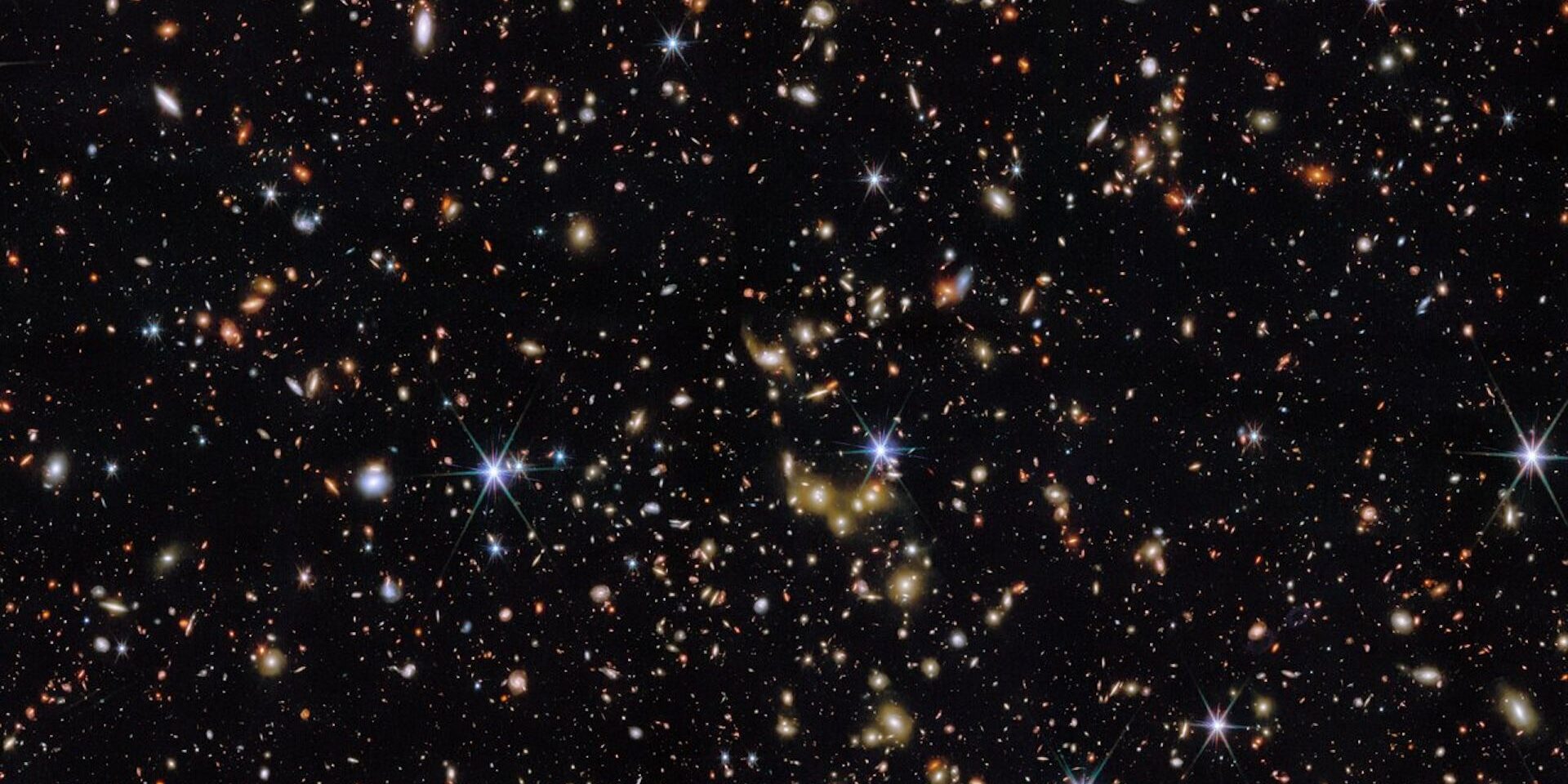
In a recent series of studies, astronomers are reevaluating the prevailing theories about how the ‘Cosmic Dark Age’ came to an end, a period that spanned from the formation of the first stars to the reionization of the universe. This reassessment is fueled by new data from advanced observational tools such as the James Webb Space Telescope (JWST) and is prompting scientists to question long-held beliefs about the role of massive stars in transforming the universe from darkness to light.
How the story got here
The Cosmic Dark Age is typically thought to have ended around 1 billion years after the Big Bang, coinciding with the formation of the first galaxies and the emergence of stars that were massive enough to ionize surrounding hydrogen gas. Until recently, many astronomers believed that the light emitted by these early stars was the primary driver behind reionization, giving rise to a universe filled with visible light.
However, recent observations suggest that the process may have been more complex than previously thought. Findings from the JWST indicate that less massive stars, as well as other astrophysical phenomena like quasars and the activity of early galaxies, may have played a significant role in the reionization process. This new perspective has prompted researchers to delve deeper into the data and explore alternative sources of ionizing radiation.
Additionally, simulations of the early universe now suggest a broader range of ionizing mechanisms, complicating the narrative surrounding reionization. These insights point to the possibility that a variety of stellar types and cosmic events contributed to illuminating the universe, rather than a singular focus on massive stars.
Next expected developments
As this new understanding unfolds, astronomers are poised to launch further investigations aimed at clarifying the timeline and processes that shaped the transition from darkness to light. Upcoming observations from both space-based and ground observatories are anticipated to continue refining our knowledge of early cosmic conditions.
The scientific community is particularly keen on the anticipated results from instruments such as the European Extremely Large Telescope (E-ELT) and upcoming survey missions that aim to map the distribution of early galaxies, which may provide additional context and clarity. These efforts will likely culminate in a more nuanced comprehension of cosmic history, touching upon the role of both star formation and other interactions during this pivotal epoch.
Ultimately, as astronomers pursue answers to these pressing questions, the narrative surrounding the Cosmic Dark Age remains dynamic, underscoring the complexities of cosmic evolution and the interplay of various astronomical phenomena.
Original Source: https://www.livescience.com/space/astronomy/astronomers-may-have-been-wrong-about-what-ended-the-cosmic-dark-age-new-study-hints