
Key details
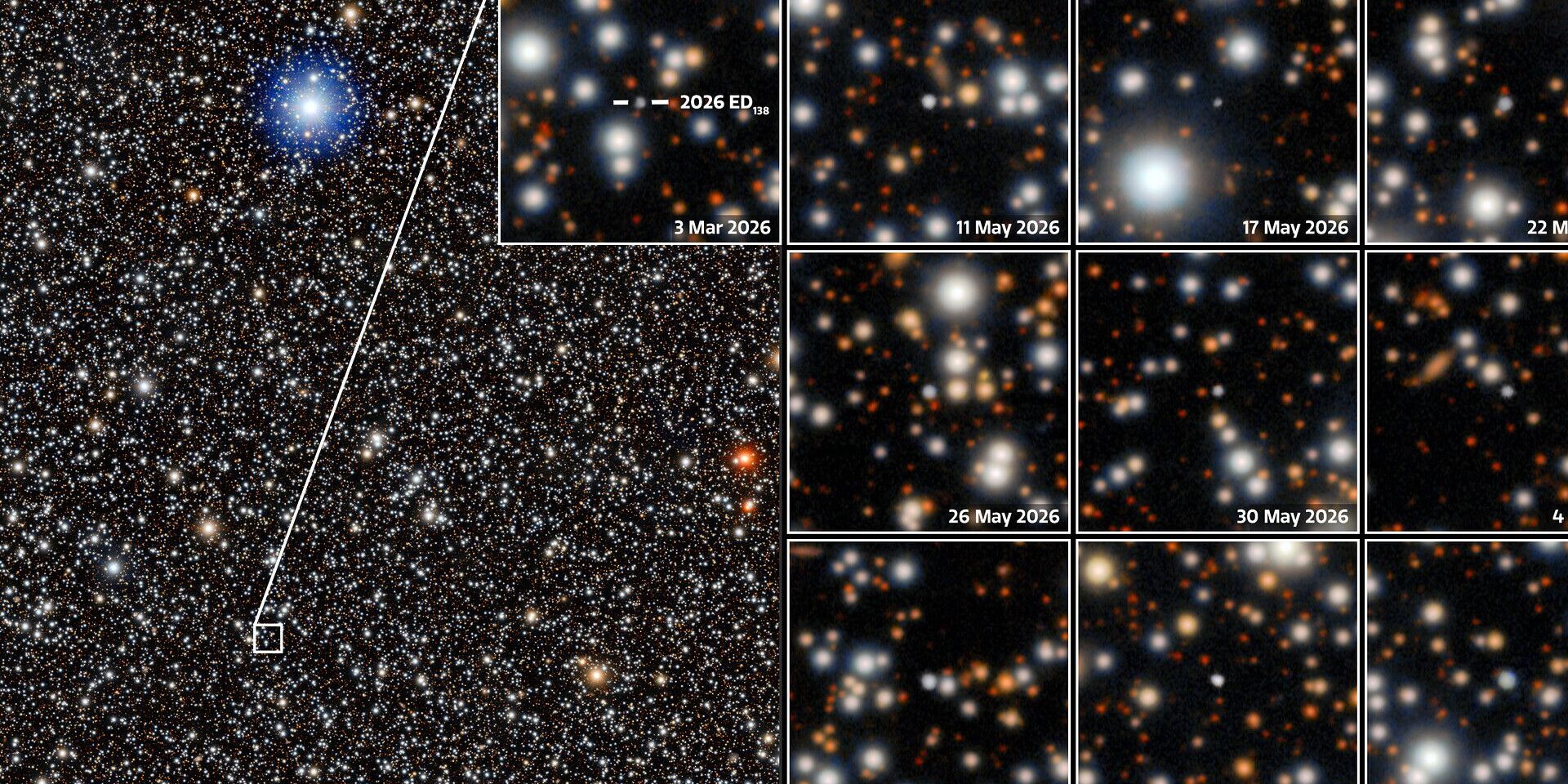
A newly identified astronomical object located beyond Pluto may hold the status of the solar system’s sixth dwarf planet. This bright object, known as 2015 TG387, is estimated to be about 300 kilometers in diameter and is positioned roughly 80 astronomical units from the Sun. Discovered in 2015, further analysis using advanced telescopes has recently confirmed its potential as a candidate for classifying it as a dwarf planet.
The object orbits the Sun in a highly elliptical trajectory, taking approximately 40,000 years to complete a single orbit. Its brightness suggests it reflects a substantial amount of light, which has intrigued astronomers who are eager to learn more about its characteristics and origins. The discovery has reignited interest in the outer reaches of our solar system, where the enigmatic region of trans-Neptunian objects continues to reveal surprises.
Why this matters
The classification of 2015 TG387 as a dwarf planet would add valuable information to our understanding of the solar system’s formation and evolution. Currently, the five recognized dwarf planets—Pluto, Eris, Haumea, Makemake, and Ceres—mark significant examples of these celestial bodies beyond the classical planets. Their study has contributed to redefining the criteria we use to categorize planetary bodies and understand their dynamics.
The implications of this discovery extend beyond mere classification. With a growing number of distant objects being identified, scientists could uncover insights into the processes that shaped the solar system’s outer regions. The study of these distant worlds allows for a more nuanced perspective of planetary formation, particularly in regards to the Kuiper Belt and the potential influence of the hypothesized Planet Nine, thought to be lurking in the far reaches of the solar system.
Broader picture
This discovery highlights a broader trend in astronomy, as technology advances and allows for deeper explorations of our solar system. Space telescopes, like the Subaru Telescope in Hawaii, and improved observational techniques have significantly enhanced our ability to detect and study remote objects. The persistent search for new dwarf planets is shedding light on a realm that has long been shrouded in mystery.
In a larger context, the identification of 2015 TG387 reinforces the idea that our solar system is more dynamic and complex than previously understood. It raises questions about the nature of celestial bodies that reside far from the Sun and challenges scientists to consider what else may be hiding in the shadows of our cosmic neighborhood.
While further observations are necessary to confirm its properties and classification, the news of a potential sixth dwarf planet serves as a reminder of the vastness of our solar system and the uncharted territories that still await study. As researchers pursue a more comprehensive atlas of our celestial neighborhood, each discovery adds to the tapestry of knowledge about our place in the universe.
Original Source: https://www.livescience.com/space/planets/bright-object-beyond-pluto-may-be-the-solar-systems-sixth-dwarf-planet