
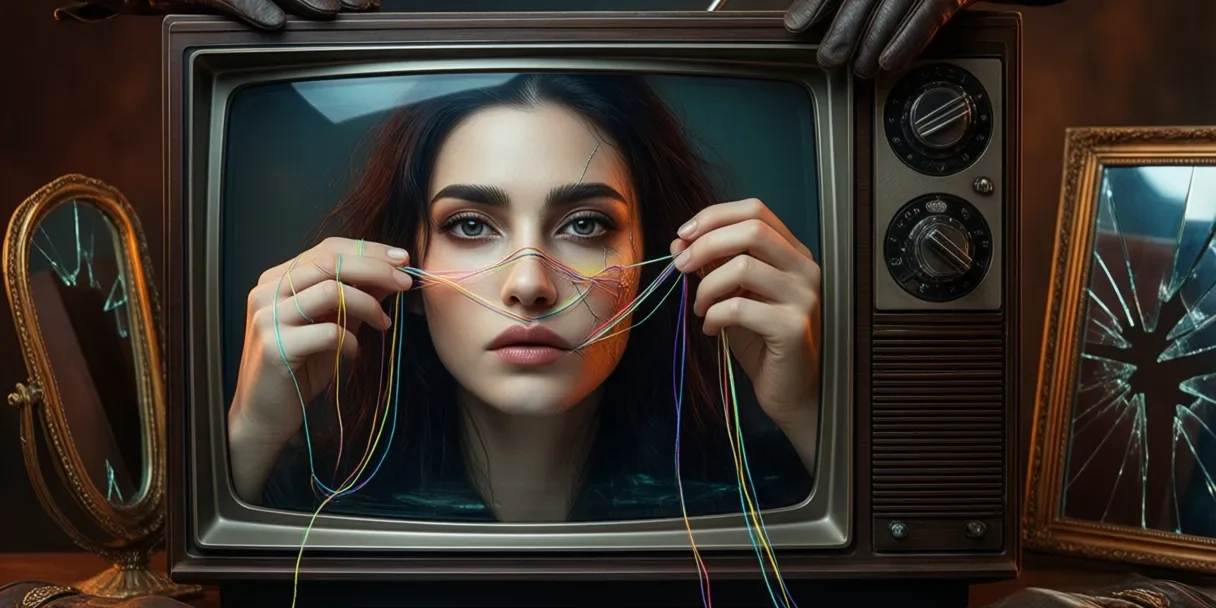
In a world where fashion is often dictated by market trends and social media influencers, a wave of alternative styles is emerging, pushing boundaries and redefining what it means to express individuality. This shift has captured the attention of the fashion industry, retail markets, and consumers alike, sparking both excitement and debate.
Immediate reaction
Recently, alternative fashion took center stage during the London Fashion Week, where designers showcased collections that steered away from mainstream aesthetics. The response from the public and industry insiders has been mixed but overwhelmingly intrigued. Social media platforms buzzed with users sharing their thoughts, celebrating the bold statements and innovative designs, while some critics raised concerns about the sustainability and accessibility of these trends. Trending hashtags such as #AltFashion and #SubcultureStyle are flooding platforms like Instagram and TikTok, illustrating a collective desire for diversity in fashion.
What triggered the move
Several factors have driven this resurgence in alternative fashion. First, the rise of social media has allowed niche communities to thrive, providing a space for different subcultures—including goth, punk, and cottagecore—to gain visibility. Additionally, the global pandemic played a significant role, with many individuals reflecting on personal identity and self-expression during lockdowns. As people spent more time online, they discovered and embraced unique aesthetics that diverged from the conventional fashion narrative. Another significant influence is the increasing conversation around sustainability; alternative fashion often emphasizes thrifted, upcycled, or handmade pieces, appealing to a generation concerned about environmental impact.
Why readers should care
Understanding the impact of alternative fashion styles is essential not just for enthusiasts but for anyone interested in broader cultural movements. These emerging trends challenge societal norms, fostering inclusivity and inspiring individuals to express their identities fully. As the industry adapts to this demand for originality, traditional brands may feel pressure to evolve, potentially leading to a more diverse marketplace. In the long term, this shift could translate into more ethical practices and a move towards sustainability as consumers gravitate toward brands that respect individuality and environmental responsibility.
As we observe this evolution within fashion, it’s clear that alternative styles are poised to leave a lasting impression on modern subcultures. The short-term impact may invigorate creativity within the industry, encouraging collaboration across various aesthetics. This could also lead to a renewed sense of community among consumers seeking connection through shared fashion ideals. Ultimately, the excitement surrounding these styles signifies a growing recognition that fashion is not merely about trends—it’s a vital form of self-expression that resonates with our very identities.
Original Source: https://www.twistedmag.com/alternative-fashion-styles/