
The latest turn
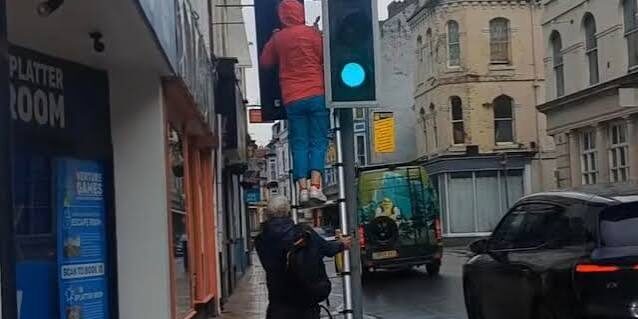
In a recent incident that blends urban protest with conspiracy theory, a group of individuals has caused significant damage to traffic light sensors in downtown Seattle. They assert that these devices are covert assault weapons designed to control and surveil the public. Authorities responded swiftly, with police arresting several members of the group accused of vandalism. The episode has sparked a heated debate about the intersection of technology, safety, and civil liberties.
How the story got here
The origins of this unusual conflict date back several months. The group, calling themselves “Free Sensors Coalition,” gained traction online, attracting followers who believe that various forms of infrastructure are part of a broader government conspiracy intended to suppress personal freedoms. They specifically target traffic light sensors, claiming that these devices not only regulate traffic but also serve more sinister purposes as surveillance tools.
The controversy surrounding the sensors intensified after a renowned alternative news outlet published a sensational report drawing connections between smart city technology and pervasive government surveillance. This report fueled the coalition’s narrative and led to organized protests that culminated in the recent vandalism. Videos circulating on social media show members dismantling traffic light sensors while chanting slogans about freedom and surveillance, illustrating the group’s fervent beliefs and willingness to act on them.
Next expected developments
In the aftermath of the vandalism, city officials are weighing the potential of pursuing legal action against the perpetrators. Their responses are mixed, with some advocating for community outreach to combat conspiracy theories, while others propose stricter penalties to deter similar acts in the future. Meanwhile, the group continues to use social media platforms to rally support and deepen its message, likely indicating that further disturbances may ensue.
Looking ahead, city officials and law enforcement agencies are expected to enhance their dialogue with residents to address genuine concerns about technology in public spaces. Moreover, a looming city council meeting is scheduled to explore the implications of smart technologies on civic life, and representatives from the Free Sensors Coalition are planning to attend. This event may further spotlight the tensions surrounding urban infrastructure and civic rights, setting the stage for upcoming legislative discussions and community actions.