
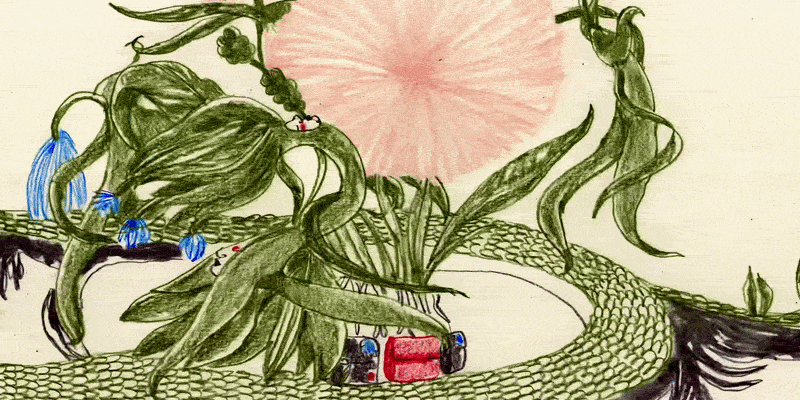
In a world dominated by digital artistry and 3D animation, Gaia Alari’s frame-by-frame animations are making waves. The Italian artist’s distinctive style has drawn attention from art collectors, animators, and enthusiasts alike, sparking a conversation about the value of traditional techniques in modern animation.
Immediate reaction
Upon showcasing her recent work at an international animation festival, Alari’s animations garnered immediate praise for their intricate detail and emotional depth. Viewers were particularly enchanted by her ability to create a sense of fluidity and movement using painstaking methods that many consider outdated in today’s fast-paced digital era.
Market reactions were swift, with multiple galleries expressing interest in representing Alari’s work. Critics noted the refreshing breath of life her animations brought to a sometimes stagnant landscape dominated by computer-generated imagery. Collectors are also keen on acquiring physical frames of her animations, indicating a potential resurgence in interest for hand-drawn art forms.
What triggered the move
Alari’s foray into handcrafted animation reflects a growing trend among artists looking to recapture the charm and personal touch of traditional methods. With the overwhelming speed of technological advancements, some creators are deliberately choosing to return to the basics. Alari’s meticulous frame-by-frame process not only showcases her skill but also tells a compelling story through each painstakingly crafted scene.
The artist’s choice to employ traditional techniques was partly a response to the rapid commodification of digital art. By embracing this slower and more laborious method, Alari is advocating for the artistry and craftsmanship often lost in mainstream animation. Furthermore, her work raises the question of how technology can coexist with traditional practices, a conversation that is crucial in defining the future of artistic expression.
Why readers should care
Alari’s animations are more than just a visual treat; they highlight a vital conversation about artistic integrity and the evolving role of technology in creative fields. For those interested in animation, her work serves as a reminder of the roots of this craft and the importance of preserving artistic traditions.
Moreover, Alari’s success challenges contemporary animators to think critically about their own methods and styles. The animated film industry is notorious for prioritizing speed and commercial viability over artistic experimentation. In this context, Alari’s approach could inspire a new generation of artists to explore their creativity without the constraints of conventional digital methods.
In the short term, Alari’s growing notoriety could lead to a resurgence in popularity for hand-drawn animation. As young creators and industry veterans look for innovative ways to tell stories, they may revisit traditional craftsmanship, influenced by Alari’s work. This shift could enrich the animation landscape, making it more diverse and appealing across various demographics.
Original Source: https://www.thisiscolossal.com/2026/10/gaia-alari-animation/