
Key details
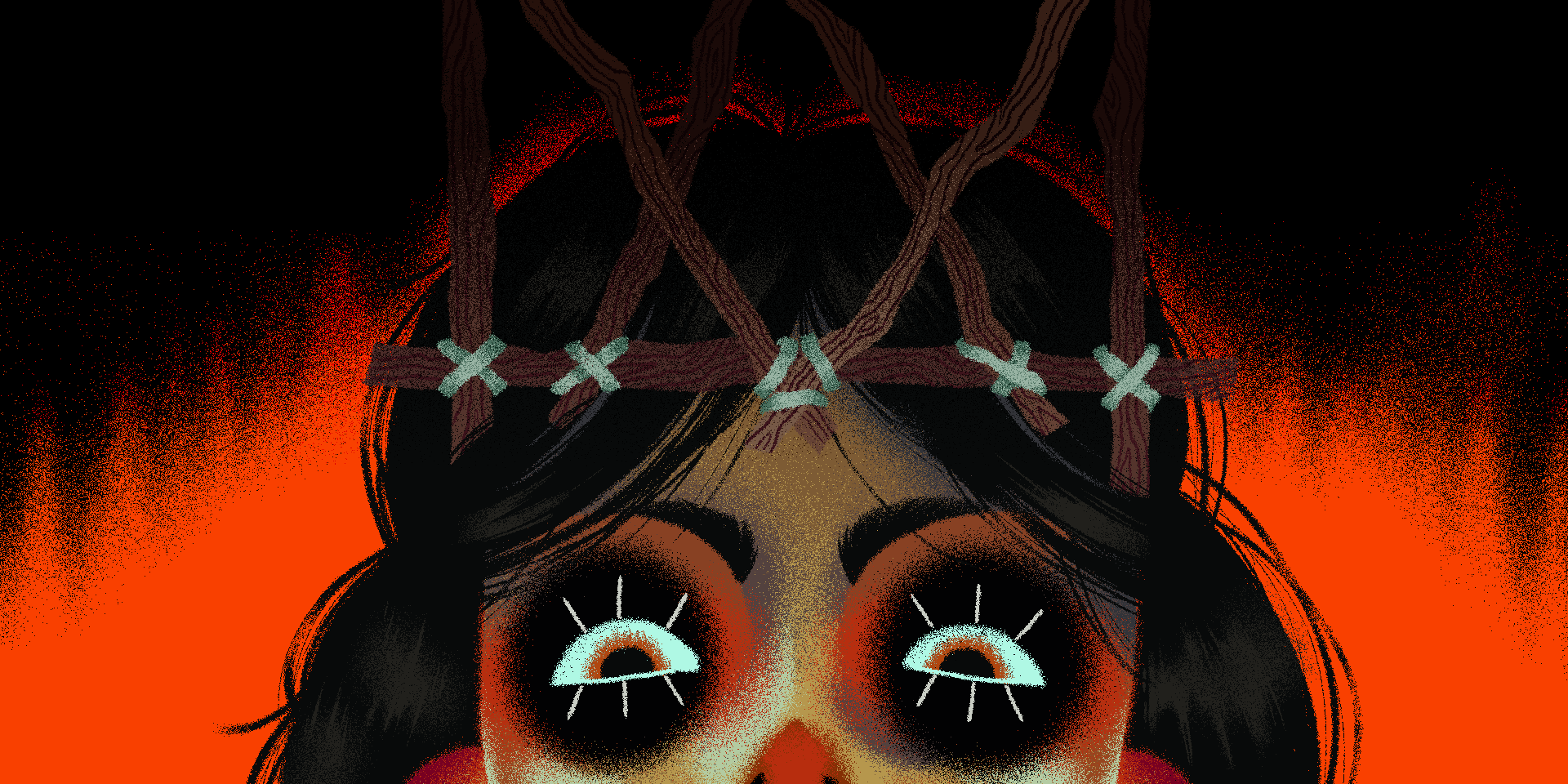
Indie game developers often strive to carve out unique niches in the crowded gaming marketplace. One such title, Inkblood, employs hand-drawn art to create a visually striking 2D world that resonates with players. Set against a backdrop of haunting landscapes and whimsical characters, the game invites players to embark on an immersive journey. The hand-drawn aesthetic is not merely decorative; it is integral to the storytelling and gameplay experience.
Why this matters
The significance of Inkblood lies in its departure from the increasingly prevalent pixel art style that dominates many indie games today. While pixel art can evoke nostalgia and charm, it often limits the emotional depth and narrative subtleties that can be conveyed through more intricate designs. The hand-drawn visuals in Inkblood bring a palpable sense of artistry to the game, allowing for greater characterization and emotional impact.
Moreover, every distinct stroke adds layers of depth to the environments, from the craggy cliffs to the lush forests. This artistic choice creates a world that feels alive; players interact not just with characters but with a living canvas that reflects their journey. The imperfections of hand-drawn art—such as uneven lines or varied color applications—enhance the organic feel of the game, making it resonate more authentically with players. Each frame feels like peering into an artist’s sketchbook, imbuing the experience with a sense of creativity and individualism that is often lacking in mechanically generated art.
Broader picture
In situating Inkblood in the broader context of independent gaming, it becomes evident that the appeal of hand-drawn art goes beyond aesthetics. This shift exemplifies a growing trend among indie developers to prioritize art as a core mechanic rather than an afterthought. As players increasingly seek unique experiences, the focus on distinctive artistic styles fosters a stronger emotional connection to the game and its narrative.
Inkblood is part of a burgeoning movement wherein developers leverage art to transcend traditional gameplay mechanics. By embracing hand-drawn animation, the title invites players to engage not just as participants but as appreciators of an artistic vision. The game’s ability to captivate and elicit emotional responses underscores the power of design choices in game development. As indie titles gain traction, this artistry-centric approach may not only influence future games but could redefine the relationship between art and gameplay in the industry.
Original Source: https://www.creativebloq.com/3d/video-game-design/how-indie-game-inkbloods-hand-drawn-art-makes-a-2d-world-feel-alive