
The latest turn
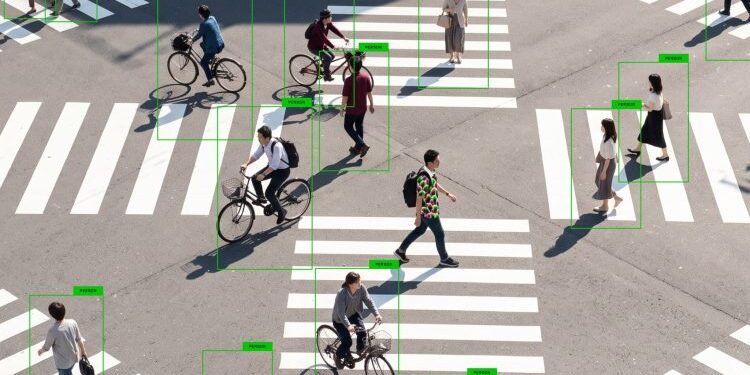
The latest development in the intersection of fashion and technology has arrived with the debut of what has been dubbed “the world’s ugliest Hawaiian shirt.” Designed by a team of researchers and artists, this unconventional garment aims to elude artificial intelligence surveillance systems. Its wild color patterns and chaotic design have sparked laughter and intrigue, but proponents insist there’s a serious message behind the mockery. The shirt’s creators are convinced that its patterns disrupt AI algorithms, potentially rendering wearers virtually invisible to facial recognition technologies.
The unveiling took place at a tech fair in San Francisco last week, where the shirt gained instant attention. Leveraging humor to highlight the growing concerns surrounding surveillance, the creators emphasized their goal of provoking discussions about personal privacy in an increasingly monitored world.
How the story got here
The idea came into fruition amidst rising public concern about AI technologies and their role in surveillance. Over the last few years, cities globally have increased their use of surveillance cameras equipped with advanced facial recognition software, raising ethical questions about privacy, consent, and state control. As citizens began to push back against such technologies, the creators of the shirt sought a unique way to capture public interest and spark dialogue.
Through trial and error, the team of scientists, artists, and designers formulated a chaotic array of colors and patterns believed to confuse AI detection systems. Early prototypes were tested against several popular facial recognition tools, with varying degrees of success. While not guaranteed to work against every system, these garments serve as conversation starters about the implications of surveillance alongside fashion.
The creators have tapped into a growing trend of “anti-surveillance fashion,” where clothing is designed explicitly to counteract personal data collection and monitor capabilities. Their shirt stands out not only for its design but also for shedding light on a larger infrastructural issue concerning individual rights and technology. The mix of playful design and serious intent encapsulates the duality of contemporary discussions surrounding privacy.
Next expected developments
As the world collectively navigates the implications of AI in everyday life, the creators of the Hawaiian shirt are not stopping at just one piece. They have announced a series of related designs aimed at expanding the concept of “invisibility” in various forms, such as accessories and other articles of clothing. Anticipating personal privacy concerns will remain at the forefront, the creators aim to develop a full clothing line that challenges conventional surveillance practices.
Furthermore, conversations surrounding this shirt have led to potential partnerships with privacy advocacy organizations. These collaborations may raise awareness through public campaigns that amplify the discussions initiated by the shirt’s design. In the coming months, we can expect to see more performances, exhibitions, and debates that continue to blend the serious with the absurd in our ongoing battle for personal freedoms in the digital age. The next significant milestone for the project is anticipated to be a larger campaign launch, aiming to reach broader audiences and influence policy discussions on surveillance and privacy.