
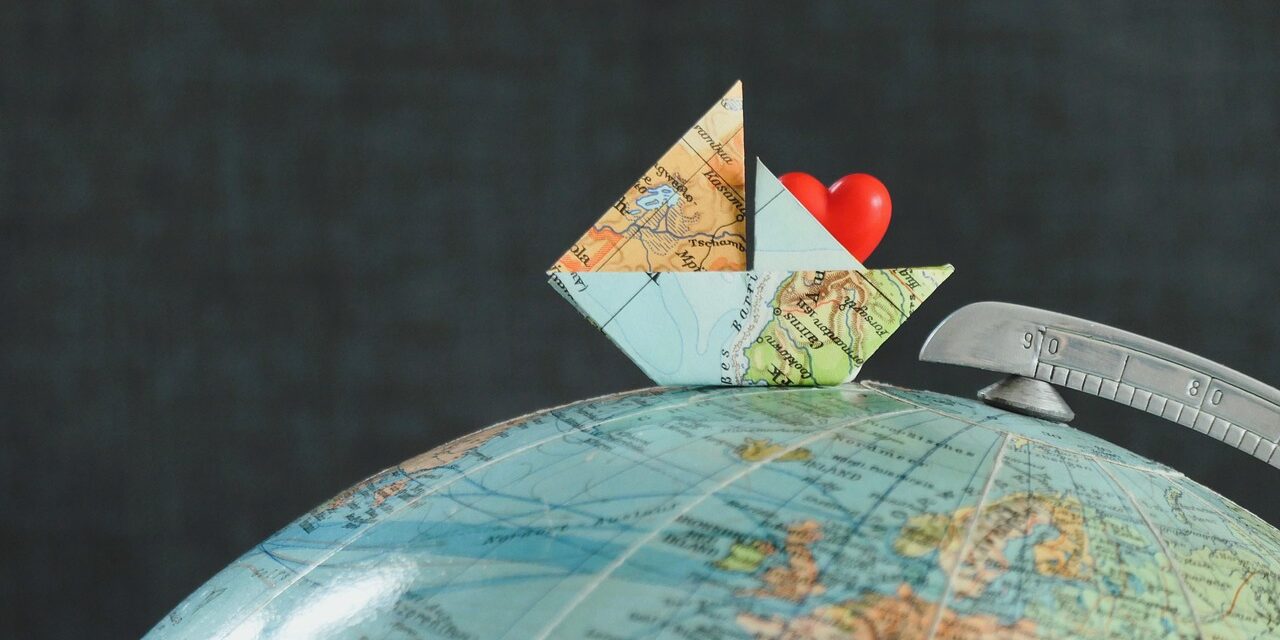
In a groundbreaking initiative, researchers from various fields are harnessing the power of field recordings to document the sounds of nature, urban environments, and cultural experiences across the globe. This movement not only provides an auditory chronicle of our world but also plays a crucial role in biodiversity monitoring, cultural preservation, and education.
What happened
Recent collaborations between environmental scientists, ethnomusicologists, and sound artists have led to the establishment of several global field recording projects. These initiatives focus on capturing a diverse range of sounds—from the melodies of endangered species to the hum of bustling city life. The data collected is being used for various purposes, including scientific study, art installations, and public awareness campaigns. The recorded sounds are being shared online, creating a unique auditory map that allows individuals to experience distant places through sound alone.
Why it matters
The practice of field recording enhances our understanding of both natural and human-made environments. As many ecosystems face unprecedented changes due to climate change and urbanization, these recordings serve as vital indicators of environmental health. For instance, biologists can analyze changes in bird calls over time to gauge the impact of habitat loss. Similarly, soundscapes from urban areas offer insights into how communities evolve and how sounds can affect mental well-being.
Moreover, field recordings play a crucial role in safeguarding cultural heritage. Many traditional music forms and oral histories are at risk of disappearing as globalization spreads. By documenting these sounds, researchers ensure that diverse cultural expressions are preserved for future generations, promoting appreciation and understanding across different communities.
What comes next
Looking ahead, the trend of field recording is expected to gain momentum as technology advances. The proliferation of portable recording devices and mobile apps makes it easier for amateur enthusiasts to participate in sound collection. This democratization of sound recording could lead to an even richer repository of sounds from around the globe.
Additionally, researchers are exploring innovative ways to analyze and present these recordings. Emerging technologies such as artificial intelligence are being employed to sift through vast amounts of audio data, helping to identify patterns and changes in soundscapes that humans might overlook. This synergy of technology and creativity promises a future where we can not only listen to the world but also understand it more deeply.
As the global community increasingly recognizes the value of preserving auditory landscapes, the immediate outlook shows a continuing commitment to these projects. Individuals and organizations are encouraged to engage with field recordings, whether through participatory initiatives or as listeners. The next watchpoint will be the implementation of policies that recognize the importance of audio documentation in both art and science, ensuring that the sounds of our world remain accessible and preserved.
Original Source: https://www.theverge.com/tech/990873/earth-garden-globe-field-recordings