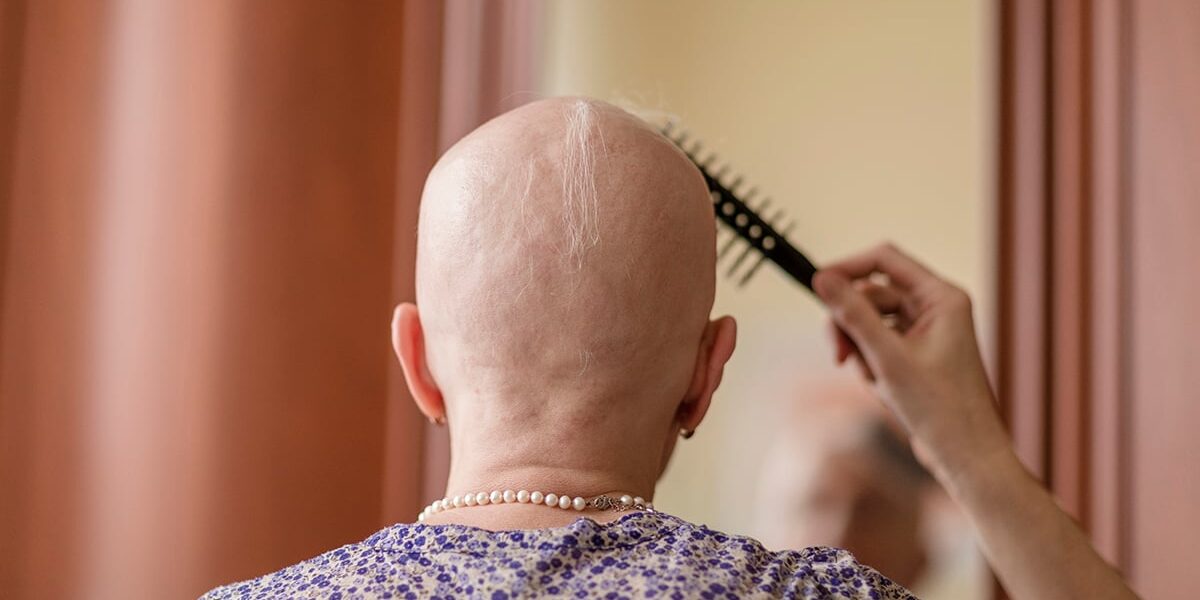
In a groundbreaking development, a common arthritis drug has demonstrated remarkable efficacy in restoring hair for patients suffering from severe alopecia areata, marking a significant advance in treatment options for a condition that has previously proven resistant to many therapies. Clinical trials have shown that the drug, Janus kinase (JAK) inhibitors, can restore up to 100% of hair in affected individuals, sparking excitement in both medical circles and among those living with hair loss.
What happened
The study, which was published in a leading dermatology journal, reviewed the effects of JAK inhibitors, specifically tofacitinib and ruxolitinib, on participants diagnosed with severe alopecia areata. The clinical trials involved more than 300 adults over a span of several months, during which patients were administered the drug and monitored for hair regrowth. Results indicated that nearly 50% of the participants experienced complete hair restoration, while the remaining subjects reported significant regrowth, offering a new lease on life for many who have struggled with the emotional and psychological impact of hair loss.
Why it matters
Alopecia areata is an autoimmune disorder characterized by sudden hair loss in patches, leading to potential complete scalp baldness or even total loss of body hair in more severe cases. Currently, treatment options are limited and often ineffective. The potential of JAK inhibitors to promote hair regrowth is especially significant, as it not only offers a new therapeutic avenue but also raises hope for many patients who have long faced stigma and distress associated with their condition. The psychological impact of alopecia is profound, affecting self-esteem and quality of life. Therefore, effective treatment could transform how individuals cope with this challenging disorder.
What comes next
Pending further research and regulatory approval, the next steps for the medical community involve closely monitoring the long-term effects of JAK inhibitors on hair regrowth and any potential side effects associated with their use. Experts highlight the importance of additional studies to solidify these findings and determine optimal treatment protocols. Moreover, the growing enthusiasm around JAK inhibitors may expedite the process of bringing this drug into clinical practice specifically for alopecia treatment, which could redefine management strategies for patients. As researchers continue to investigate these promising outcomes, patients and healthcare providers alike will be watching closely for updates in this rapidly evolving field.
Original Source: https://www.sciencealert.com/arthritis-drug-restores-up-to-100-of-hair-in-patients-with-severe-alopecia