
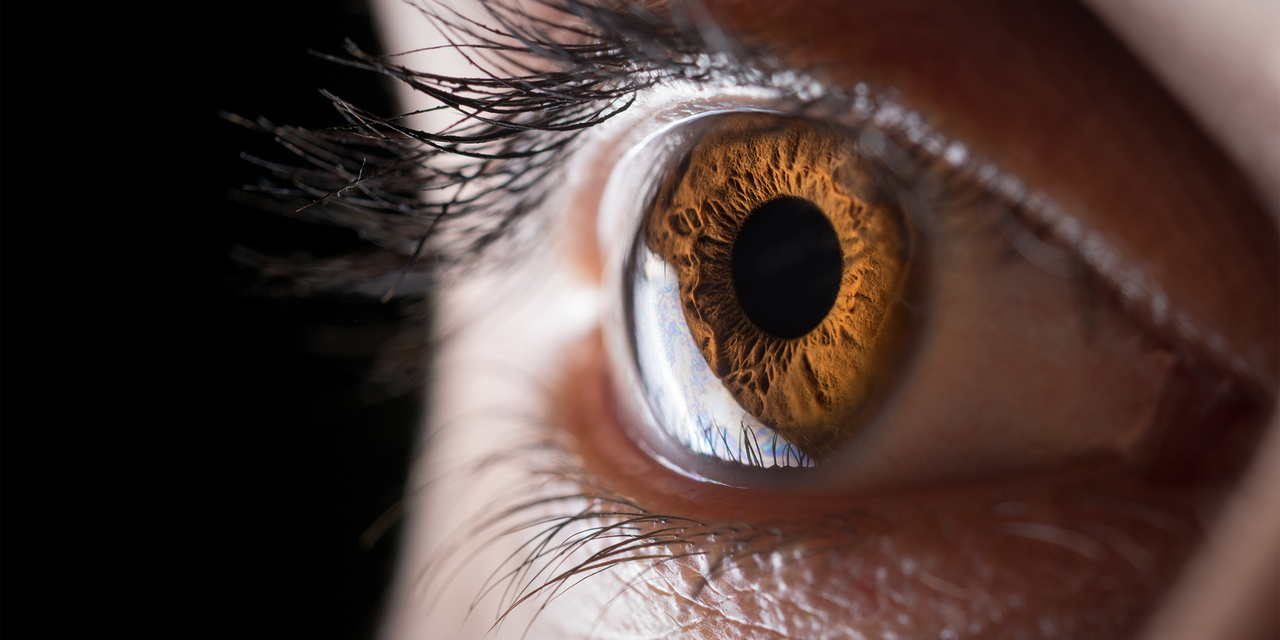
The field of regenerative medicine has taken a significant step forward as scientists have successfully utilized 3D printing technology to create functional corneas, with the potential to alleviate the global shortage of transplantable tissues. In a recent breakthrough reported in October 2023, a team from the University of California, San Diego, announced successful laboratory tests indicating that their 3D-printed corneas may soon be viable for human transplantation. This innovation not only holds promise for restoring vision but also addresses a pressing healthcare challenge affecting millions worldwide.
The latest turn
The UC San Diego researchers reported their achievement after conducting extensive trials in which 3D-printed corneal tissues demonstrated the ability to integrate with existing ocular structures in animal models. The study revealed that these artificial corneas are not only biocompatible but also maintain the necessary clarity and structural integrity vital for vision restoration. Dr. Mayumi Hasegawa, leading the research team, expressed optimism about the implications of this technology, stating, “This could be a game-changer for patients needing corneal transplants and may help decrease the dependency on donor tissues.”
Current statistics reveal that approximately 12 million people globally suffer from corneal blindness, and the demand for transplantable corneas far exceeds supply. While live donor corneas remain the standard, the waiting list often stretches to years in many countries. The team at UC San Diego aims to address this critical gap by developing a method to produce corneas on demand, tailoring them to individual patients’ needs.
How the story got here
The journey to this breakthrough has been marked by years of research in tissue engineering and 3D printing technologies. Emerging in the early 2000s, 3D bioprinting has since evolved, utilizing advanced biomaterials and cell-laden inks that allow for the creation of complex tissue structures. This innovation aligns with previous efforts in regenerative medicine, where scientists have successfully printed other organs, such as blood vessels and bladders, providing a foundation for this next step in ocular applications.
In earlier studies, researchers had also experimented with creating simple corneal structures; however, achieving the necessary complexity and transparency proved challenging. Collaborative efforts between engineers, biologists, and ophthalmologists have culminated in the recent successes at UC San Diego, demonstrating the interdisciplinary approach essential for such advancements.
Next expected developments
Looking ahead, the next major milestone for the UC San Diego team is to initiate clinical trials with human subjects, anticipated to start within the next 12 to 18 months. Gaining regulatory approval and ensuring safety will be critical as the research transitions from laboratory to possible real-world applications. If these trials yield positive results, it may signal a new frontier in how ocular health is approached, leading not only to enhanced vision restoration but also inspiring similar innovations in other areas of transplant medicine.
As this story develops, the global medical community watches closely, hopeful that 3D-printed corneas could soon become a commonplace solution for those suffering from corneal blindness, paving the way for a future where vision restoration is accessible to everyone in need.