Key details
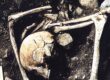
Recent archaeological findings in a medieval cemetery in Denmark have revealed a series of ancient skulls bearing eerie, square-shaped holes. These peculiar injuries, found in over a dozen skeletons dating back to the 10th century, have puzzled researchers for years. Initial hypotheses suggested they could be the result of combat-related injuries or post-mortem alterations. However, a detailed study conducted by a team of archaeologists has provided new insights, suggesting these holes may have been the result of specific weaponry used during battles.
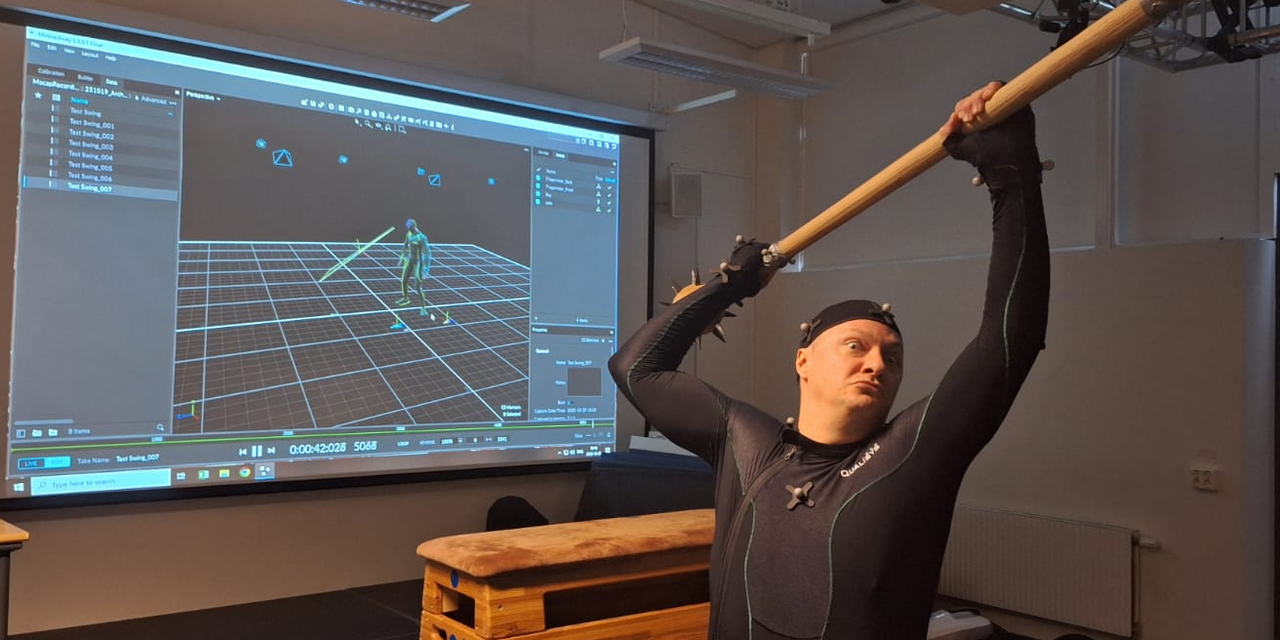
The researchers employed advanced imaging techniques to analyze the bones and conducted a thorough examination of the site, which is believed to have been a burial ground for soldiers. Findings indicate that the holes were consistent with wounds inflicted by blunt force trauma, likely from weapons used in medieval warfare. This new evidence supports the theory that these individuals may have fallen in battle, thus shedding light on the brutal realities of warfare during this period.
Why this matters
Understanding the cause of these skull injuries is significant for several reasons. Firstly, it provides a window into the violent context of medieval life, especially for those engaged in warfare. The insights gleaned from these findings suggest that battles were not only chaotic but also brutal enough to leave long-lasting marks on the human body, highlighting the harshness of life for soldiers in this era.
Moreover, these discoveries contribute to a broader understanding of medieval military tactics and their evolution. By examining the types of injuries sustained, researchers can infer the kinds of weaponry and combat techniques that were prevalent at the time. This knowledge is not just important for historical accuracy but also enriches our understanding of how combat and social structures were intertwined in medieval societies.
Broader picture
The implications of this research extend beyond the cemetery itself. They touch on themes of trauma, mortality, and the human condition across different eras. As modern conflict continues to evoke similar psychological and physical injuries, the study of historical skeletons helps create a context in which to understand the impact of warfare on individuals and societies.
Furthermore, these findings resonate with the ongoing fascination with the Middle Ages in popular culture, particularly the romanticized portrayals of knights and battles. They remind us that behind the myths often lie the stark realities of injury, death, and the psychological toll of combat. Such revelations challenge us to reconsider how history reflects human experience and suffering.
In conclusion, the study of medieval soldiers with these gruesome injuries not only provides valuable historical knowledge but also prompts a deeper inquiry into the nature of violence and its lasting effects on humanity. The research encapsulates a journey through time, where the remnants of lives once lived tell tales of courage, conflict, and survival. As scholars continue to dissect these ancient narratives, they remind us that the past, often glorified, is fundamentally rooted in the complexity of human struggle.