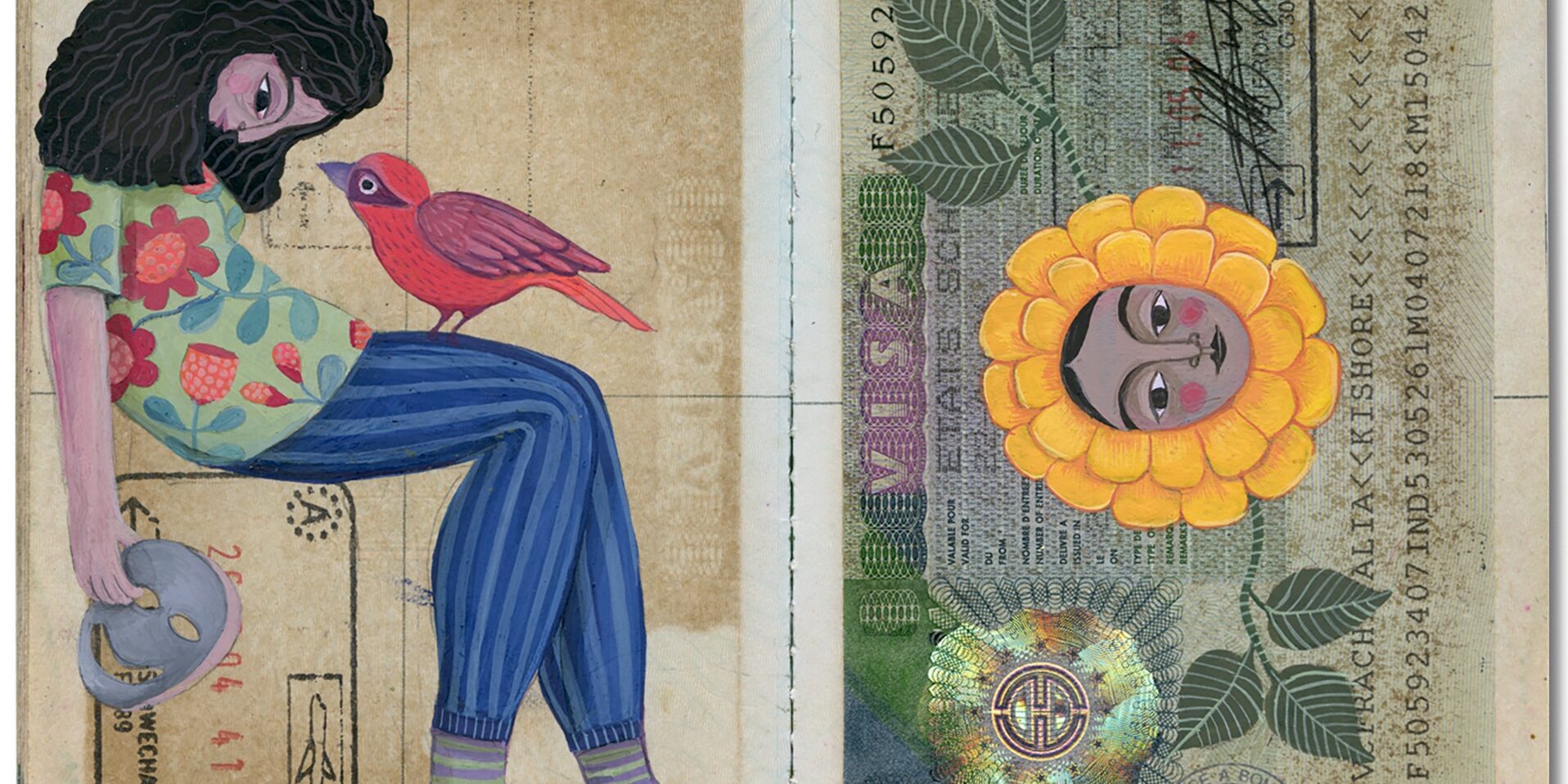
Radhika Chitalia has transformed a relic of her late father’s life—a passport—into a poignant memory capsule that reflects his journey and experiences. This development sheds light on the deeper emotional value of everyday objects, especially as they relate to personal histories.
Key details
The passport in question belonged to Radhika’s father, who spent decades traveling for work and family interaction. After his passing, the passport became a significant artifact that held a multitude of memories and stories. Radhika decided to document not just the physical journey illustrated in the passport but also the emotional journey intertwined with it.
She has taken steps to digitize the contents of the passport, creating a digital repository that provides a narrative of her father’s travels—from the stamps marking visits to various countries to handwritten notes he made during significant trips. Each page of the passport, which spans several years, encapsulates moments that contributed to her father’s identity and the family’s history.
Why this matters
This transformation holds significance beyond Radhika’s personal connection to her father. It highlights how physical objects can serve as touchstones for memories and emotions. In an age when digital interactions often overshadow more tactile experiences, Radhika’s project is a reminder of the value of material culture in preserving personal history.
Moreover, her initiative touches on the growing sense of nostalgia prevalent in society today. As people increasingly confront loss and the passage of time, such personal artifacts offer a way to reconnect with departed loved ones. Radhika’s efforts to point a camera toward her father’s memories illustrate the intersection of technology and sentimentality, fostering connections through contemporary means.
Broader picture
The story of Radhika Chitalia and her father’s passport resonates with many families who are grappling with the realities of loss and remembrance. As more individuals turn to digitizing family memories—photos, letters, and artifacts—this movement is redefining how we engage with the past. It emphasizes the importance of storytelling and personal heritage in a world focused on the present and the future.
As we explore our personal histories through such objects, we may find that they serve not only as mementos but also as catalysts for understanding our identities. Radhika’s project exemplifies the potential for artifacts to bridge generations, raising important questions about how we choose to remember and honor those who have shaped our lives.
In conclusion, Radhika’s transformation of her father’s passport into a memory capsule invites us to reflect on the multifaceted nature of memory and legacy. It challenges the notion that personal history is merely anecdotal and instead reinforces the idea that each memory capsule carries the weight of our shared experiences, passions, and reminders of loved ones.
Original Source: https://www.thisiscolossal.com/2026/08/radhika-chitalia-father-memory-passport-paintings/