
Key details
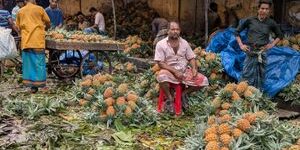
Kawran Bazar, located in the heart of Dhaka, Bangladesh, is one of the largest and most dynamic wholesale markets in the country. Renowned for its extensive array of fresh produce, fish, meat, and spices, the bazaar plays a crucial role in the daily commerce of the capital. Each morning, vendors and buyers converge under makeshift awnings, their transactions punctuated by the sounds of vendors calling out their wares. The market operates as a microcosm of Dhaka itself, showcasing the city’s vibrancy and diversity.
The bazaar is not just a hub for food; it also offers textiles, electronics, and other household items. With thousands of shoppers pouring in daily, Kawran Bazar serves as a critical exchange point for local and regional suppliers, connecting farmers and wholesalers to retailers catering to the urban population.
Why this matters
The significance of Kawran Bazar extends beyond its economic role. As a vital source of livelihood for many, it underscores the importance of informal markets in Bangladesh’s economy. The market employs a multitude of people, from farmers and traders to laborers, forming a crucial foundation for many households. Given the reliance of Dhaka’s populace on such markets for their daily needs, any fluctuations in operations can have immediate repercussions on food prices and supply chains.
Moreover, Kawran Bazar is a reflection of socio-economic patterns in the city. The intermingling of different communities within the market—each bringing their unique cultural practices—highlights the interplay of tradition and modernity. As Dhaka continues to urbanize, monitoring the developments in this market could provide insights into wider trends in consumer behavior and urban livelihoods.
Broader picture
As Dhaka battles with rapid urbanization, challenges arise that threaten the sustainability and functionality of markets like Kawran Bazar. Overcrowding, inadequate infrastructure, and hygienic concerns increasingly complicate the daily operations of the bazaar, raising questions about the future of informal trading spaces. The government has initiated various projects aimed at improving urban mobility and market conditions, yet the effectiveness of these efforts remains to be seen.
In the context of climate change, challenges including flooding and extreme weather events further cloud the market’s future viability. The stakeholders within Kawran Bazar are keenly aware of these issues; many are advocating for reforms that enhance resilience against environmental impacts while addressing infrastructure deficiencies.
Ultimately, the dynamics within Kawran Bazar serve as a microcosm of larger trends in Bangladesh, reflecting both the opportunities and challenges faced by urban centers in developing countries. Understanding the evolution of this significant marketplace will provide critical insights into the urbanization narrative in Bangladesh and how it can adapt to meet the needs of its growing population.
Original Source: https://www.atlasobscura.com/places/kawran-bazar