Recently, a collection of children’s drawings has surfaced that elicits both curiosity and concern. These unsettling pieces challenge traditional conceptions of innocence often associated with childhood art, revealing complex psychological landscapes.
Key details
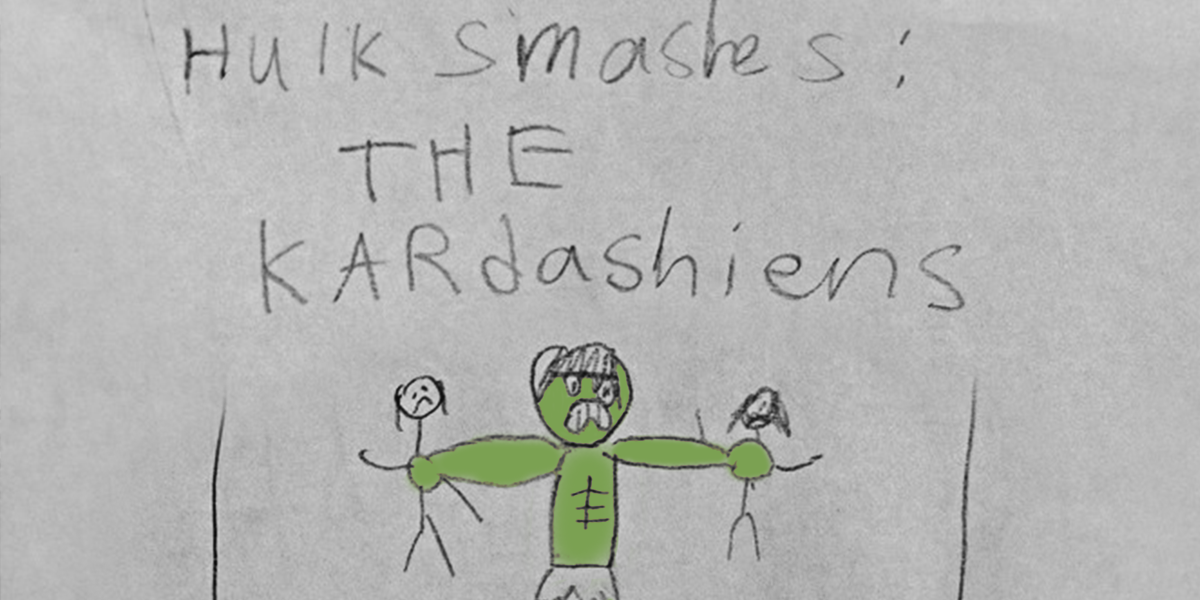
This body of work showcases 17 distinct illustrations created by young children, each marked by bizarre subjects or unsettling imagery. Ranging from imaginative creatures to scenes imbued with anxiety, these pieces are not just artifacts of creativity; they are windows into the minds of their young artists.
Art therapists and psychologists have taken note of these drawings, pointing to elements such as distorted figures, unusual color choices, and jarring contrasts. For instance, one drawing depicts a whimsical landscape overlaid with ominous shadowy figures, while another illustrates playful animals interspersed with oddly shaped, dark silhouettes. The stark juxtaposition of joy and unease in these pieces invites deeper interpretation concerning the emotional states of the children creating them.
Why this matters
The significance of these unsettling drawings extends beyond mere curiosity. Children’s art has long been a subject of psychological study, often used to assess their emotional and cognitive development. Drawings that showcase fear, anxiety, or confusion may indicate underlying issues that merit attention, from familial stressors to social difficulties.
Art therapists advocate for examining such behaviors closely. While creativity is a natural outlet for children, when art veers into disturbing themes, it can signal deeper turmoil or unaddressed emotions. In a world where a child’s inner experiences remain largely voiceless, their art comes forward as a potentially therapeutic medium, enabling adults to better understand and respond to their emotional needs.
Broader picture
This phenomenon is reflective of broader societal trends where childhood anxiety is becoming increasingly recognized. Studies indicate that, today, children face unprecedented levels of stress due to factors ranging from academic pressure to pervasive social media influences. As adults navigate their own challenges in a rapidly changing world, these pressures often trickle down, affecting the younger generation. The peculiar nature of these drawings may serve as a microcosm of this larger societal narrative.
Moreover, these unsettling artworks highlight the importance of encouraging open dialogues about emotions and mental health. By acknowledging and discussing the themes present in children’s drawings, caregivers and professionals can foster environments that promote emotional expression rather than repression. Thus, understanding these creative outlets is crucial for nurturing resilient and emotionally aware youth.
In conclusion, while unsettling, these children’s drawings provide valuable insights into their creators’ inner worlds. They invite reflection on the importance of emotional literacy in childhood, underscoring the need for supportive frameworks that help young individuals articulate their complex feelings. Future engagement with children’s art should prioritize attentive analysis, creating pathways for communication that connect the dots between their experiences and emotional well-being.
Original Source: https://www.boredpanda.com/creepy-children-drawings-msn/