
Background and context
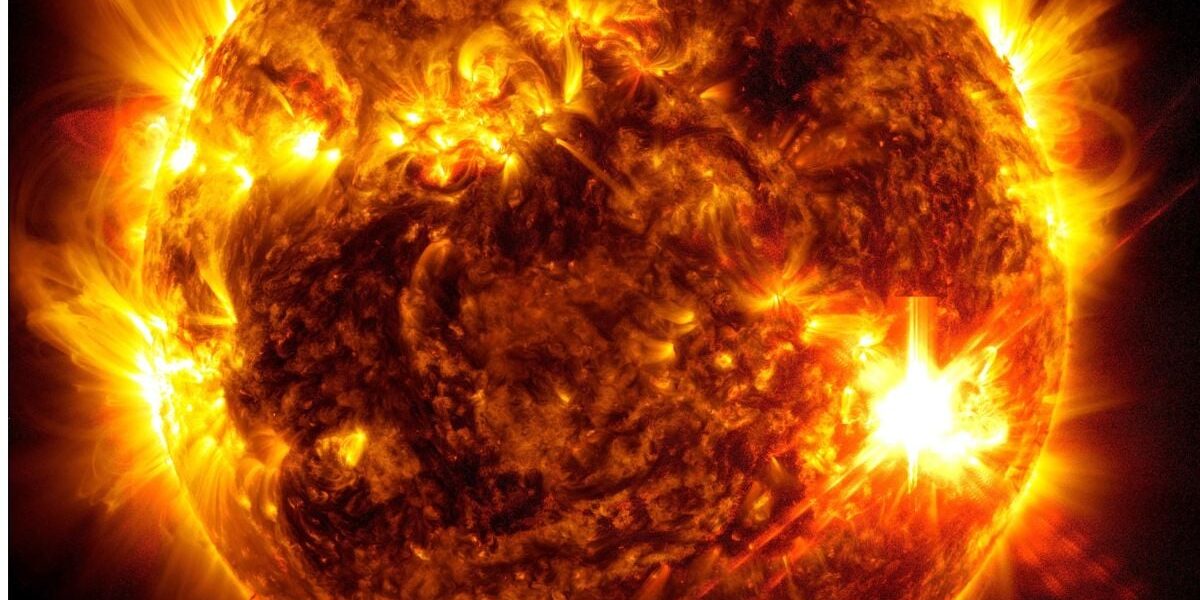
For over four decades, solar scientists have been intrigued by the mysterious fluctuations in the Sun’s output, often referred to as its “heartbeat.” These pulsations manifest as variations in solar activity, which includes phenomena such as sunspots, solar flares, and coronal mass ejections. The Sun’s activity follows a roughly 11-year cycle, with periods of solar maxima and minima, significantly influencing space weather and conditions on Earth.
While researchers have long monitored these changes, a perplexing trend has emerged: the frequency and pattern of the Sun’s heartbeat have shifted over time, showing marked differences from earlier cycles. This alteration raises questions about the underlying mechanisms driving solar behavior and the potential implications for human technology reliant on stable solar conditions.
Latest developments
Recent studies have brought new insights into these changes. Researchers at various global observatories have discovered that the Sun’s overall energy output has increased slightly while significant shifts in the solar cycle have also been noted. For instance, the latest data suggests a strong correlation between the Sun’s internal dynamics and its surface activity, indicating that shifts beneath the surface may be at play. Advances in observational technology and methodologies now allow scientists to probe deeper into solar activities, revealing complexities previously obscured by less sophisticated techniques.
In particular, a team at the Max Planck Institute for Solar System Research has reported the discovery of a new oscillation pattern in sunlight that appears to differ from those recorded in past solar cycles. This finding could be indicative of deeper structural changes occurring within the Sun that might affect its lifecycle and the solar system at large.
Another noteworthy development is the integration of machine learning models in analyzing decades of solar data. These algorithms assist in identifying patterns and forecasting potential future activity based on historical trends, thereby reining in some of the unpredictability surrounding solar behavior.
What to watch next
As scientists continue to explore the Sun’s dynamic pulse, the focus will inevitably shift towards understanding the broader implications of these changes for Earth and the solar system. Upcoming solar observation missions could provide groundbreaking data, potentially altering our understanding of solar physics altogether.
In particular, the Solar Orbiter mission, launched in February 2020, is designed to gather detailed observations of the Sun’s poles and monitor solar activity in real-time. Researchers are eager to see how this data will contribute to unraveling the mysteries of the Sun’s changing heartbeat.
Furthermore, as society increasingly depends on technology sensitive to space weather, understanding these fluctuations could become critical. A heightened awareness of the Sun’s behavior may lead to better preparedness for solar storms that can disrupt satellite communications and power grids. As these investigations unfold, the scientific community remains vigilant in seeking answers to the profound questions surrounding our nearest star’s enigmatic heart.
Original Source: https://www.sciencealert.com/our-suns-heartbeat-has-been-mysteriously-changing-for-40-years