
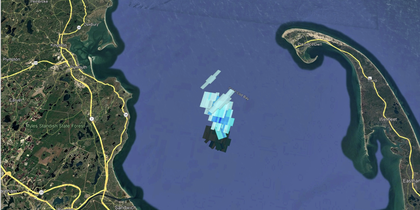
A bright meteor lit up the skies over New England last night, followed by a loud explosion that reson across multiple states. Eyewitnesses reported seeing a fireball streaking across the sky, before it abruptly erupted, possibly scattering fragments into Cape Cod Bay.
What happened
The event occurred around 10:30 PM EDT and has been confirmed by local astronomers and authorities. People in areas ranging from Massachusetts to Connecticut reported witnessing the remarkable sight. Many described the meteor as exceptionally bright, seemingly more intense than a typical shooting star.
Moments after the initial sighting, residents reported a loud boom that shook windows and set off car alarms. Early assessments suggest this noise was the result of the meteor’s explosion as it entered the Earth’s atmosphere, creating a shockwave.
Experts believe that fragments of the meteor may have fallen into the ocean, specifically in Cape Cod Bay. Additional reports from local fishermen indicated unusual characteristics in the water around the time of the explosion, further substantiating these claims.
What it means for readers
For those in the area, sightings like this are both thrilling and rare. Not only do they provide a glimpse into cosmic occurrences, but they also offer local scientists an opportunity for research. Meteor events can yield valuable data about the composition of these celestial bodies.
In addition to their scientific merit, such phenomena can often spark public interest in astronomy and the natural sciences. Educational institutions might use this event to encourage students to explore related topics, fostering a new generation of scientists and enthusiasts.
Despite the excitement this event brings, safety remains a primary concern. Experts advise the public to avoid attempting to retrieve any fallen objects, as untrained individuals may misidentify dangerous debris or pose risks to themselves.
What happens now
Following the explosion, astronomers and scientists are eager to analyze the event and its impacts. Organizations such as The American Meteor Society and local universities are gathering reports and footage from eyewitnesses to triangulate the meteor’s trajectory and identify potential landing sites for any fragments.
The National Oceanic and Atmospheric Administration (NOAA) has been alerted and is monitoring the situation for any marine debris that may surface. Environmental impact assessments will likely follow to evaluate any potential effects on local ecosystems.
For those interested in the scientific details, local observatories and universities may organize public outreach initiatives, including talks or observation sessions aimed at educating the public about meteors and related phenomena.
In conclusion, citizens are urged to keep an eye on updates from reliable sources regarding the meteor and potential recoveries from the ocean. Engaging in the community’s scientific discussions can enhance appreciation for both natural wonders and the importance of scientific inquiry.