
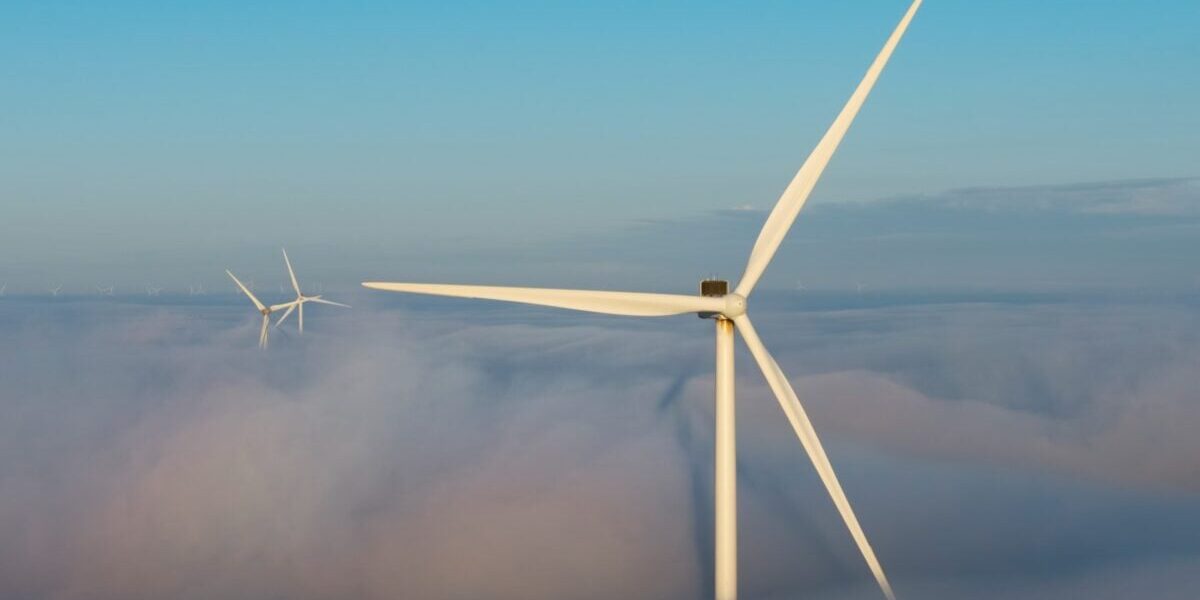
Recent findings have revealed that atmospheric conditions are significantly influencing the energy output of wind farms around the world. Researchers have documented a noticeable decline in wind power generation attributed to changes in prevailing weather patterns, which are linked to broader climatic shifts.
What happened
Experts at the National Renewable Energy Laboratory (NREL) discovered that anomalous wind behavior, often driven by factors such as decreased temperature gradients and shifts in jet streams, has led to reduced energy harvesting capabilities. Various wind farms in regions previously known for robust wind production are reporting sustained drops in output, with some areas experiencing more than a 20% decline compared to historical averages.
This shift in wind patterns can be traced to complex interactions between global warming, seasonal variability, and local climate phenomena. As atmospheric temperatures rise, the physics of wind generation alter, resulting in unpredictable and often weaker winds during peak operational months for turbines.
What it means for readers
The implications of diminished wind energy production extend beyond the wind farm operators and affect consumers as well. As renewable energy sources struggle to meet the demands of electricity grids, there is increased pressure on utility companies to balance supply with demand. This could lead to higher energy costs for households and businesses as reliance on fossil fuels remains necessary to fill the gaps left by renewable energy sources.
Additionally, this decline in wind energy production highlights the importance of investment in energy storage solutions and diversified renewable portfolios. If wind energy’s reliability continues to waver, utilities may need to pivot to alternative sources like solar or hydroelectric power. This transition not only necessitates financial investment but also strategic planning to ensure a balanced and resilient energy infrastructure.
What happens now
In response to these challenges, researchers and energy companies are prioritizing the need for adaptive technologies and improved forecasting models. Innovative turbine designs that can operate efficiently in lower wind conditions are being explored. Simultaneously, scientists are calling for more extensive climate studies to better understand these atmospheric changes and predict future wind trends.
Moreover, regulatory bodies and policymakers are urged to revisit energy policies, ensuring they accommodate the emerging realities of wind energy generation. Developing a comprehensive approach that includes varied renewable energy sources will be crucial. The goal is not only to maintain energy reliability but also to promote sustainability in a rapidly changing climate.
In summary, while the decrease in wind energy production presents challenges, it also opens opportunities for innovation and strategic change. Stakeholders at all levels must adapt to these climatic realities to ensure long-term energy stability and sustainability. The bottom line for consumers is to stay informed about energy options and anticipate potential shifts in pricing and availability as the energy landscape evolves.
Original Source: https://www.sciencealert.com/something-in-the-sky-is-affecting-how-much-energy-wind-farms-can-harvest