
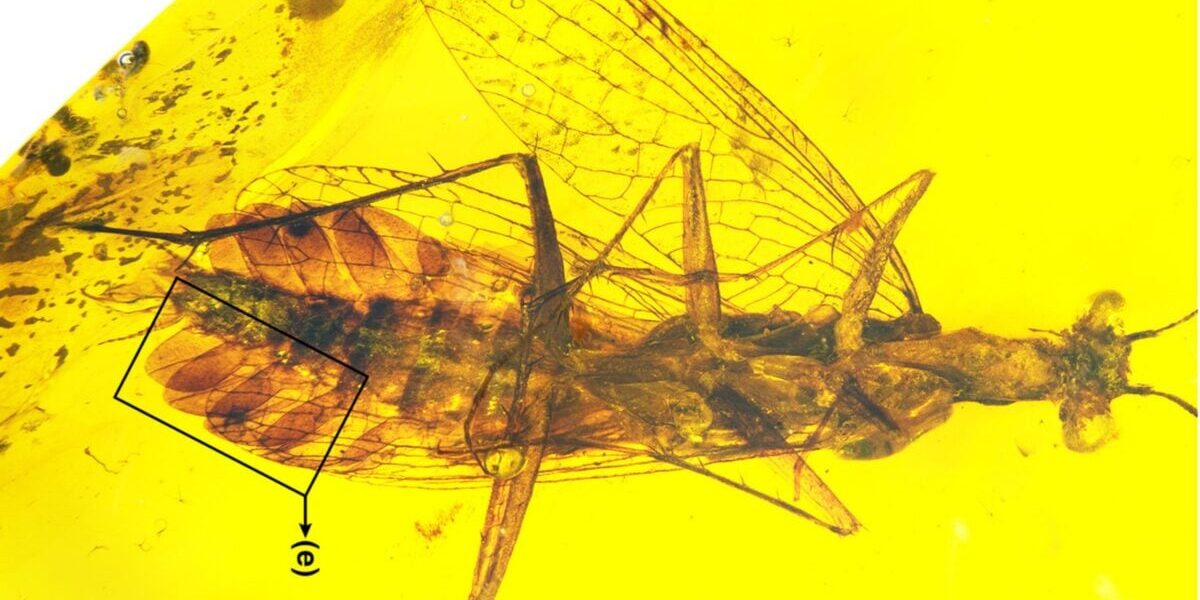
In a remarkable find, scientists have unearthed a 98-million-year-old mantis preserved in amber, with unique leaf-like structures on its abdomen. This discovery, originating from Myanmar, shines a light on the evolutionary adaptations of ancient insects and their environments.
Latest developments
The mantis specimen, which is part of a significant collection of amber-trapped fauna, exhibits leaf-like projections that appear to serve a camouflage function. Researchers from the University of California and several Chinese institutions conducted a detailed analysis, revealing how these structures likely helped the mantis evade predators in its prehistoric forest habitat.
This discovery represents a breakthrough in understanding the ecological dynamics of the Cretaceous period. The findings were published in the journal Current Biology, highlighting the evolutionary strategies insects employed to survive amid diverse and predatory ecosystems.
Background and context
Amber, fossilized tree resin, has been a vital source of information about ancient life on Earth. The conditions required for amber preservation—a mix of temperature, humidity, and plant resin—can create exquisite snapshots of ecosystems millions of years old. Fossils trapped in amber can provide insights not only into the physical appearances of organisms but also their behaviors and interactions.
Cretaceous amber from Myanmar, often referred to as Burmese amber, is particularly rich in biodiversity and has yielded numerous significant discoveries, including various insects, reptiles, and even mammal-like creatures. This specific mantis, classified as a new species, adds to the intricate history of insect evolution.
Prior research has suggested that some mantises have adapted features that enhance their survival. The integration of leaf-like structures in this species indicates an advanced form of camouflage that may have evolved to help them blend into foliage, protecting them from larger predators like dinosaurs and ancient flying reptiles.
What to watch next
The ongoing analysis of Cretaceous amber will likely continue to yield significant discoveries, unveiling new species and providing deeper insights into the evolutionary history of arthropods. Scientists are particularly keen to explore how environmental changes during the Mesozoic era influenced insect adaptations.
Moreover, researchers aim to investigate the potential implications of these adaptations for understanding present-day ecological interactions. As climate change raises concerns about current biodiversity, lessons from the past, including the adaptation strategies of insects like the newly discovered mantis, could offer valuable perspectives.
This mantis discovery encourages a broader inquiry into the connections between ancient and modern ecosystems, potentially guiding future conservation efforts. The interplay between form and function, evidenced by these ancient creatures, underscores the intricate and often surprising paths of evolution that have shaped the world we inhabit today.
Original Source: https://www.sciencealert.com/scientists-discover-a-98-million-year-old-mantis-with-leaves-on-its-abdomen-trapped-in-amber