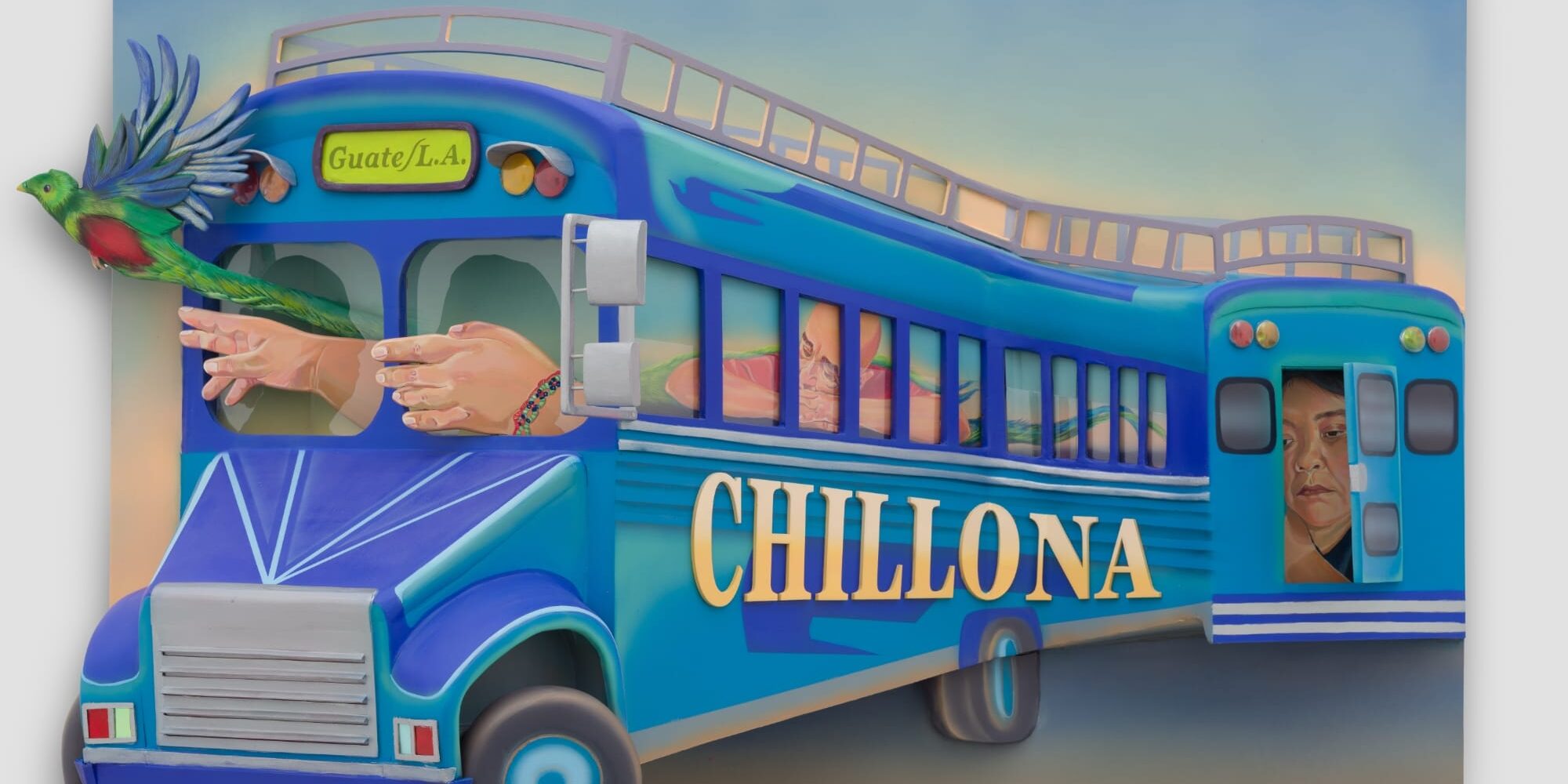
Estefania Ajcip’s latest exhibit has ignited conversations about familial separation and the role of art in reconciling fragmented identities. Housed at the Urban Art Gallery in Denver, her sculptural paintings have resonated deeply with visitors, who find themselves reflecting on their own experiences with family distances, both emotional and physical.
Immediate reaction
Upon entering the gallery, viewers are met with dramatic pieces that blend vibrant colors and tactile materials, offering a visceral response to the theme of separation. The emotional weight is palpable; many attendees reported feeling an involuntary connection to the artwork, sparking discussions around their personal family histories. Commenting on the exhibit, local artist and curator Maria Jensen noted, “Estefania’s work not only captivates visually but also compels us to confront uncomfortable truths in our lives.”
This sentiment has extended beyond the walls of the gallery. Social media has been abuzz with images from the exhibit, prompting users to share stories of their own family separations and the healing journey surrounding reunification. The engagement indicates a collective catharsis, with many expressing a newfound understanding of their experiences through Ajcip’s art.
What triggered the move
Ajcip’s personal narrative—a family split due to immigration factors—has served as the cornerstone for her latest work. Driven by her history of physical and emotional separation from her family, each piece is a meditation on reconnection and healing. The artist emphasized in a recent interview, “Art is my way of reclaiming lost moments and reuniting fragmented parts of my life.”
This thematic approach resonates widely, especially in a socio-political climate where immigration policies and family separations have garnered heightened attention. Ajcip’s work thus becomes a powerful commentary on broader societal issues, prompting viewers to examine not only their personal situations but also the collective impact of these separations on communities.
Why readers should care
The significance of Ajcip’s exhibit goes beyond personal reflection; it encourages a shared dialogue about trauma, resilience, and the human capacity for connection. For families facing their own separations—be they from migration or other life circumstances—Ajcip’s art acts as a testament to endurance and hope.
As the exhibit continues to attract attention, it is expected that the conversations it has sparked might begin to influence both local and national discussions surrounding family unity. Institutions and organizations focused on family welfare are likely to take note of the emotional power of Ajcip’s work, potentially leading to collaborations aimed at raising awareness and providing resources to educate the public on these pressing issues.
In the short term, the impact of Ajcip’s sculptural paintings can already be seen in the growing interest in community programs that foster understanding and support for families affected by separation. With continued visibility, her art may serve not only as a bridge to community healing but also as a clarion call to more deeply consider the dynamics of family in contemporary society.
Original Source: https://www.thisiscolossal.com/2026/08/estefania-ajcip-sculpture-paintings-folded-memories/