
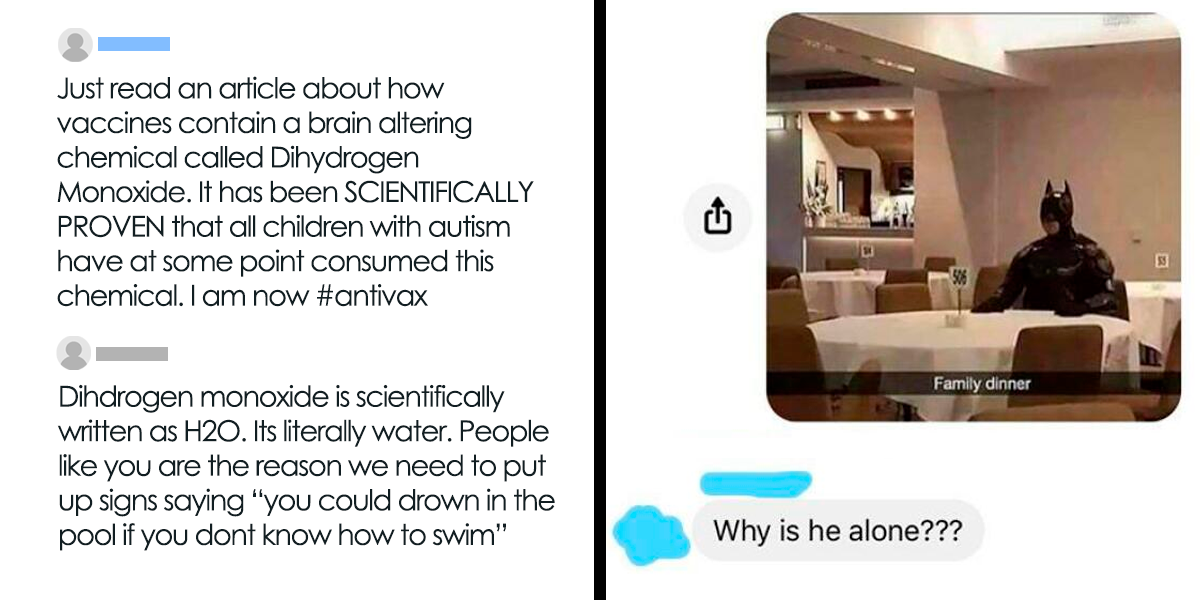
Humor is an intricate part of human interaction, often serving as a social lubricant that helps us bond and communicate. However, a surprising number of people frequently miss the punchlines in jokes, leading to awkward moments and social disconnection. This phenomenon is not merely a personal quirk; it reflects deeper cognitive and cultural aspects that can impact interpersonal relationships.
What happened
Many instances of missed humor occur during conversations, particularly in casual settings. A typical scenario might involve one person sharing a light-hearted quip, only to be met with blank stares or awkward silence from their audience. Take, for example, a recent social gathering where a cleverly crafted joke about work life fell flat among a group of friends. The joke, infused with sarcasm, was meant to critique the often mundane nature of office culture. Instead of a laugh, the feedback was a series of puzzled expressions.
This moment is emblematic of a larger trend where subtle humor often fails to register, particularly among those who either lack familiarity with the subject matter or have differing cultural backgrounds. Moreover, humor styles vary widely; what is hilarious to one group may be lost on another due to differences in social norms and linguistic nuances.
What it means for readers
For readers, these missed punchlines illuminate a broader issue of communication gaps that arise in diverse social settings. It highlights the importance of context in humor—knowing your audience is critical. This discrepancy can lead to misunderstandings that affect personal and professional relationships. Being unable to appreciate a joke can sometimes be perceived as a lack of engagement or intelligence, but more often, it stems from varied backgrounds and experiences.
Psychologically, missing a joke can also reflect cognitive biases. Research indicates that humor appreciation often requires quick, complex cognitive processing, which can be influenced by mood, mental presence, and prior knowledge. As a result, those who miss punches may simply be distracted or preoccupied, not necessarily lacking humor altogether.
What happens now
Moving forward, there are several strategies both individuals and social groups can adopt to bridge the gap of understanding humor. For those telling jokes, a keen awareness of the audience’s background can aid in crafting appropriate humor. Tailoring the delivery while considering the listeners’ experiences fosters an inclusive environment where everyone can participate in the laughter.
On the flip side, listeners are encouraged to engage actively. If a joke falls flat, asking clarifying questions or showing a willingness to understand the humor can help. This effort not only promotes connection but also enriches social interactions.
Ultimately, recognizing the nuances of humor—the art of timing, cultural references, and personal experiences—can enhance our communication skills. Understanding that humor is subjective is key in navigating relationships, whether in casual settings or more formal interactions. By embracing the complexities of humor, we can foster deeper, more meaningful connections with those around us.
Original Source: https://www.boredpanda.com/whoosh-missed-jokes-msn-2/