
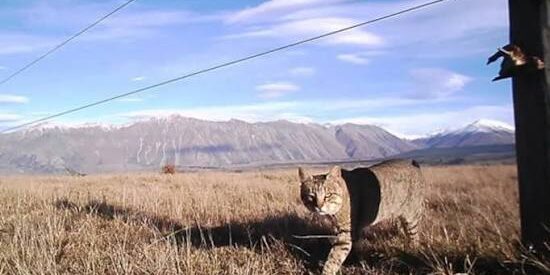
The recent saga of a notorious feral cat, affectionately dubbed “Nine Lives,” has captured public and media attention as it managed to evade capture for three years while allegedly preying on endangered birds. The cat’s story has sparked outrage and concern among conservationists, pet owners, and wildlife enthusiasts, highlighting the broader implications of feral animal populations on native species.
Immediate reaction
Following a series of reported sightings of Nine Lives feasting on vulnerable bird species, the local community’s response was swift. Wildlife experts and local authorities mobilized, launching several attempts to capture the elusive feline. Social media buzz erupted, with residents sharing their own encounters and frustrations regarding the ongoing issue. The cat became a symbol of the precarious balance between urban environments and wildlife conservation, drawing both ire and sympathy.
Conservationists expressed alarm, emphasizing that the feral cat’s predation poses significant threats to local ecosystems, particularly to threatened bird populations that are already struggling for survival. Simultaneously, animal rights groups chimed in, advocating for ethical approaches to managing feral cat populations without resorting to violence. This duality of sentiment has added layers of complexity to the conversation surrounding Nine Lives and similar cases.
What triggered the move
The catalyst for increased scrutiny surrounding Nine Lives was a formal report highlighting an uptick in wildlife casualties attributed to feral cats in the area. With numerous endangered bird species at risk, conservationists pressed for action, arguing that this particular case exemplified the harms posed by unchecked feral cat populations. Local wildlife organizations orchestrated awareness campaigns to educate the public about responsible pet ownership and the ecological consequences of feral cats.
Authorities initiated a targeted trap-neuter-return (TNR) program in an attempt to manage not only the situation with Nine Lives but also the broader feral cat population in the vicinity. This proactive strategy seeks to mitigate the impact of feral cats on local wildlife while promoting animal welfare. However, the difficulties of capturing a savvy cat like Nine Lives have proven to be a significant challenge.
Why readers should care
The Nine Lives saga serves as a poignant reminder of the intersection between urban living and wildlife conservation. As cities expand and encroach upon natural habitats, feral animal populations often flourish, leading to unforeseen consequences for local ecosystems. Understanding and addressing these dynamics is crucial for preserving biodiversity and safeguarding species that are perilously close to extinction.
Moreover, the story resonates with pet owners who might unintentionally contribute to the feral cat problem by allowing their pets to roam freely. As Nine Lives continues to elude capture, it sheds light on the urgent need for comprehensive policies that balance the welfare of animals with ecological responsibility. In the short term, this situation may catalyze a reevaluation of local wildlife management strategies, leading to more effective solutions in the ongoing struggle between feral animals and endangered species.