A remarkable archaeological finding beneath a Turkish lake has sparked both excitement and skepticism among historians and theologians. A submerged church, believed to be around 1,700 years old, is being touted as a possible location of the First Council of Nicaea, a pivotal event in early Christian history. This claim has generated a vibrant discourse within academic and religious circles, with opinions sharply divided.
Immediate reaction
The news of the sunken church was met with enthusiasm from the local community and various heritage organizations, eager to promote Turkey’s archaeological significance. Many local officials have framed the discovery as a draw for tourism, potentially boosting the economy in the region. Meanwhile, scholars of early Christian history expressed cautious excitement. Some suggest that the submerged church could provide invaluable insights into the theological debates that shaped Christianity, particularly those around doctrine and ecclesiastical politics during the time of the council.
However, not all responses are positive. Several experts have raised concerns regarding the authenticity of the findings and the interpretation of their significance. While the church’s age and location are promising, skeptics caution against jumping to conclusions about its connection to the First Council of Nicaea, which convened in 325 AD. The President of the Turkish Archaeological Society emphasized the importance of rigorous academic validation before attributing historical claims to such findings.
What triggered the move
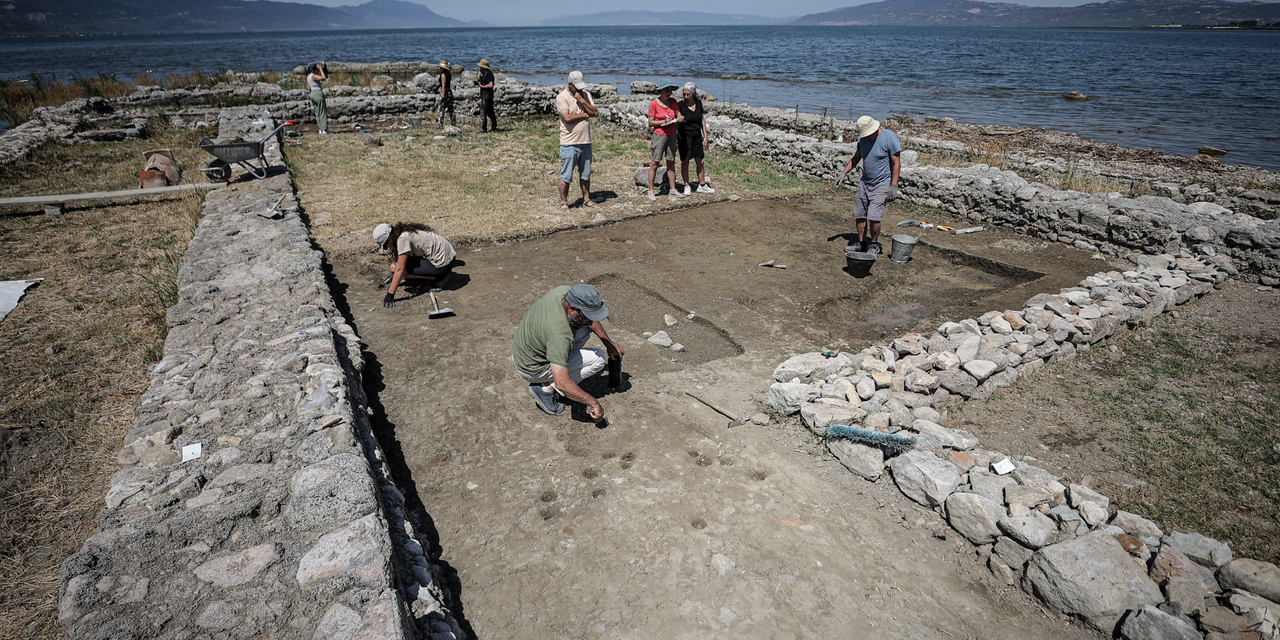
The discovery came about during routine underwater explorations in Lake Iznik, a site known for its historical relevance to Byzantine Christianity. Geophysical surveys highlighted the structure, leading to further investigations that confirmed the existence of a domed building cloaked in sediment. Archaeologists are currently working to ascertain the architectural style and inscriptions within, which may offer clues about its origin and purpose.
Despite the initial reports suggesting a direct connection to the First Council, many historians advise a more measured approach. The council is noted for its significant doctrinal discussions, including the formulation of the Nicene Creed. While it is feasible that a church existed in the region around that time, substantial evidence linking this particular site to the council remains lacking. This has prompted calls for a thorough excavation process and peer-reviewed research before drawing any definitive conclusions.
Why readers should care
The implications of the church’s discovery extend beyond academic curiosity. If proven connected to the First Council of Nicaea, it could radically reshape our understanding of early Christian architecture and the socio-religious landscape of that era. This site could illuminate the dynamics of early Christian governance and belief systems, potentially resonating with religious communities worldwide looking for historical roots of their faith.
On the other hand, if disproved, it could serve as a stark reminder of the need for diligence in historical interpretation. Both outcomes emphasize the importance of archaeological rigor in validating claims, especially those concerning significant religious and cultural heritage. In the short term, this discovery has already begun to influence discussions about heritage tourism and archaeological policy in Turkey, highlighting the delicate interplay between history, tourism, and scholarship. As the investigation unfolds, one thing remains clear: the dialogues initiated by this discovery will resonate within both academic and religious circles for years to come.