
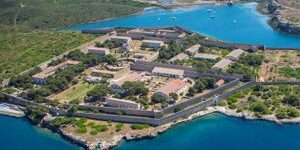
The Lazareto de Menorca, a historic quarantine station located in Es Castell, Spain, has officially reopened to the public after an extensive restoration project. The site, which has been closed for several years, now welcomes visitors eager to explore its rich history and architectural significance. As of this month, local authorities have launched guided tours, aiming to enhance cultural tourism and awareness of the region’s past.
What happened
The reopening of Lazareto de Menorca marks a significant milestone in efforts to preserve the site’s cultural heritage. Originally built in the early 18th century to quarantine travelers and goods during outbreaks of infectious diseases, the Lazareto played a vital role in public health on the island. After years of planning and restoration work that began in 2021, the facility has been updated to comply with modern safety standards while retaining its historical attributes.
During the restoration, experts meticulously examined the structure’s original materials, ensuring that any repairs and renovations respected the site’s authenticity. The project has not only restored the buildings but has also improved the surrounding landscape, making it more accessible and appealing to visitors. The first guided tours saw strong attendance, with local residents and tourists alike showing keen interest in its history.
Why it matters
The Lazareto’s reopening is significant for several reasons, both culturally and economically. Historically, it represents an era when disease management profoundly impacted societal structures, reflecting past public health challenges that resonate today amid recent global health crises. By showcasing this site, local authorities aim to educate the public about the historical importance of the Lazareto and the role it played in the Mediterranean’s health strategies over the past centuries.
Moreover, the site’s restoration aligns with a broader effort to promote cultural tourism in Menorca, which has seen fluctuations in visitor numbers in recent years. With the reopening, local stakeholders hope to attract more tourists, ultimately fostering economic development for Es Castell and the surrounding areas. This initiative also ties into Menorca’s designation as a UNESCO Biosphere Reserve, as cultural preservation is vital in maintaining the island’s unique character.
What comes next
Looking ahead, local officials plan to expand the offerings at Lazareto de Menorca, including educational programs aimed at schools and workshops focused on historical preservation. Future events may also include exhibitions highlighting the island’s maritime history and its evolving relationship with public health. The community will be closely watching how the site’s increased visibility impacts tourism levels as well as local business activity in the area.
The next few months will be critical for evaluating the initial response to this cultural revival. Stakeholders are optimistic that the renewed interest in the Lazareto de Menorca will solidify its status as a vital heritage site on the island, serving as both a reminder of the past and a beacon for future tourism.
Original Source: https://www.atlasobscura.com/places/lazareto-de-menorca