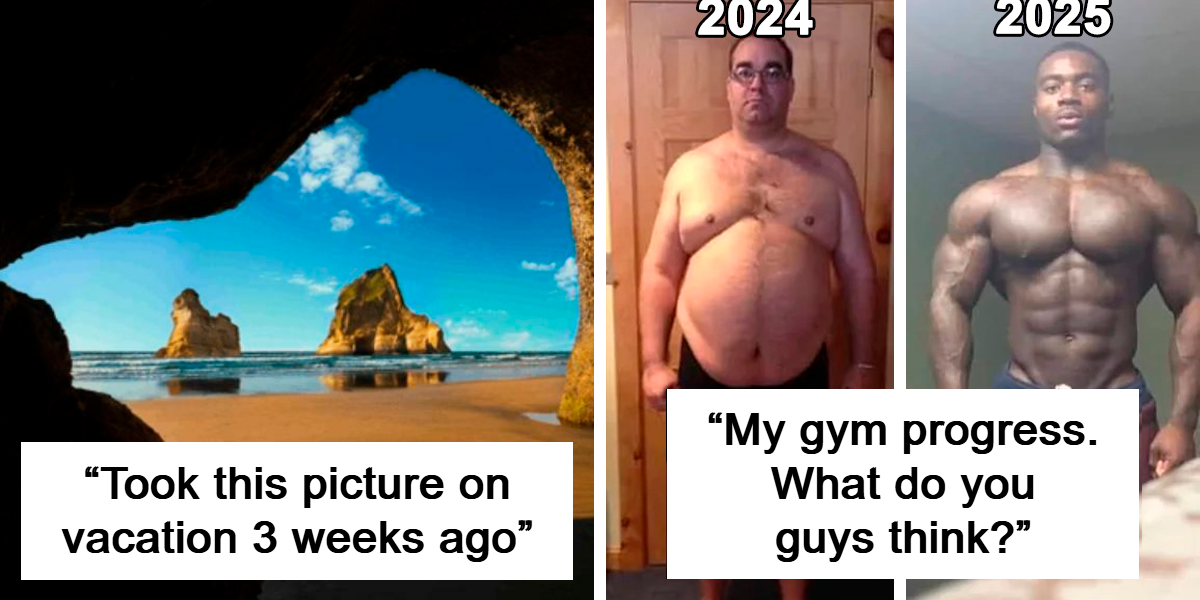
In an age where social media validation can feel like the ultimate goal, many users take to amusingly misleading tactics to garner likes and attention. Some of these attempts at deception are so transparent that they leave audiences both entertained and perplexed.
What happened
Recently, several incidents have surfaced where individuals crafted outlandish stories or exaggerated their life experiences, presumably to attract likes and comments. One viral case involved a man who posted a suave photo alongside an unrealistically expensive car. Dubbed a “car enthusiast,” he claimed the vehicle was his latest purchase. However, an observant follower quickly pointed out a telltale reflection in the photo—revealing that the car was not parked anywhere near him, but rather in a car show he had merely attended.
In another scenario, a woman shared a photo of an extravagant meal at a high-end restaurant, stating it was a spontaneous dinner she whipped together at home. Followers conducted a quick search and discovered the exact same plate displayed on the restaurant’s Instagram page just days prior. The flood of comments quickly shifted from admiration to jovial mockery.
These incidents are only a few examples within the broader trend of “amusingly bad liars” attempting to portray lives more glamorous than reality allows. The internet has become a stage where the line between authenticity and fabrication blurs, providing both absurd humor and cautionary tales.
What it means for readers
For social media users, these amusing deceptions serve as reminders of the constructed nature of online personas. The incident with the man and the expensive car highlights the lengths to which some will go to appear more successful or affluent than they are. This can lead to broader implications about self-worth and identity, especially among impressionable audiences who might view these posts as attainable realities.
Moreover, readers should recognize the distinction between genuine content and curated lives that prioritize likes over honesty. Amusingly bad lies often reveal underlying insecurities; individuals may feel pressured to keep up appearances in an atmosphere where online success is measured by likes and comments.
What happens now
As amusing as these instances may be, they also spark discussions around accountability in social media. Audiences are becoming wiser and quicker to call out inconsistencies, shifting away from blind admiration toward a more discerning approach to online content. This trend could encourage a culture where authenticity is valued more than artifice.
For those creating content, the challenge will be maintaining authenticity while still engaging their audience. As readers become increasingly savvy, the pressure to uphold a false narrative may only lead to further scrutiny, and individuals are likely to rethink how they present their lives online.
The practical takeaway for all social media users is simple: approach online content with a critical eye. Recognize the difference between the curated content of actual influencers and those who take to deceit simply for likes. In a world filled with transformed truths, cultivating honesty in online interactions can foster deeper connections and a more genuine experience on social media.
Original Source: https://www.boredpanda.com/fake-pics-lies-msn/