Key details
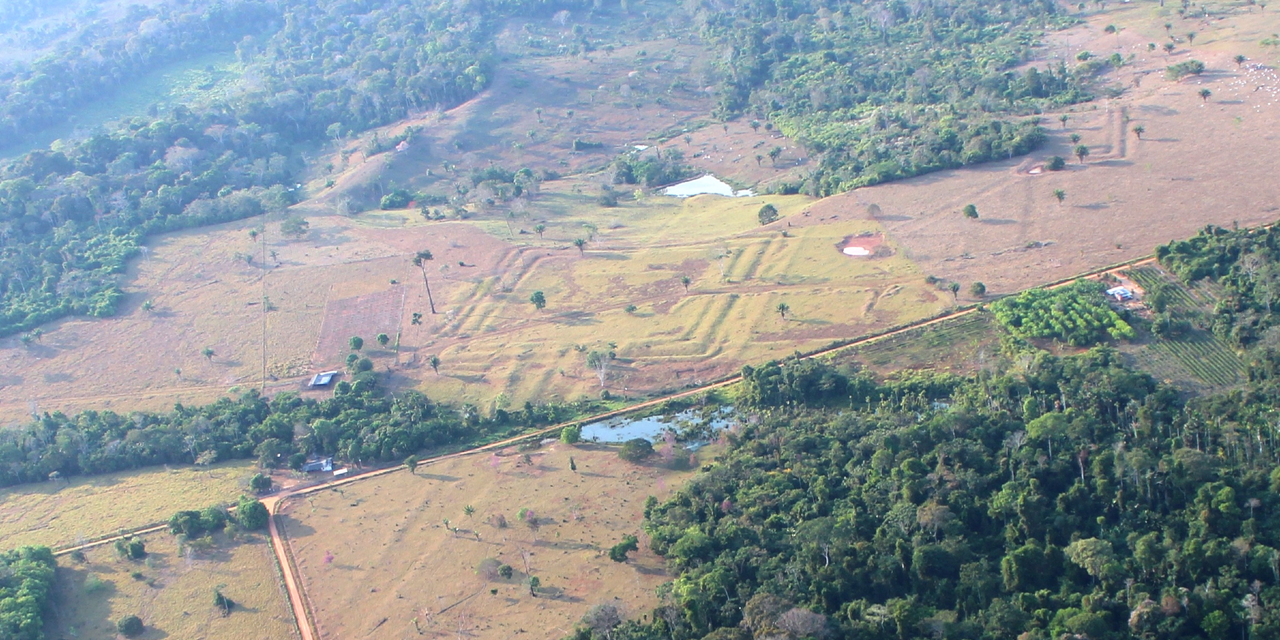
Recent advancements in laser technology have led researchers to discover hundreds of previously hidden geoglyphs in the Amazon rainforest, pointing to the existence of a sophisticated civilization that thrived thousands of years ago. This groundbreaking survey employed Light Detection and Ranging (LiDAR) systems, a method that offers high-resolution topographic mapping by using laser pulses to penetrate dense vegetation. Over 1,000 square kilometers of rainforest were scanned, revealing intricate shapes on the forest floor that had eluded detection due to thick tree canopies.
The identified geoglyphs, which resemble ancient earthworks, include geometric patterns, circular enclosures, and linear arrangements. Archaeologists believe these structures were likely used for ceremonial purposes, signifying complex social organization and cultural sophistication. The results, published in the journal *Nature*, challenge previous narratives that depicted prehistoric Amazonian societies as small, nomadic groups lacking significant architectural achievements.
Why this matters
The implication of these findings is profound for our understanding of pre-Columbian history. Traditionally, the Amazon has been depicted as an untouched wilderness, with the prevalent belief that it could not support large populations due to its challenging environment. The existence of these geoglyphs suggests that extensive agricultural practices and social cooperation were likely present, enabling the emergence of such monumental constructions. This shifts the lens through which scholars view the interactions between civilization and the environment in ancient times.
Moreover, these discoveries signal the resilience of certain ecosystems, which managed to thrive alongside human ingenuity. By examining how these societies adapted to their environment, researchers can gain insights that may inform sustainable practices in present-day ecological conservation efforts.
Broader picture
The unveiling of these geoglyphs adds a significant layer to the narrative of human history in the Americas, urging scholars to reconsider the extent of sophistication among ancient Amazonian cultures. This discovery prompts further archaeological inquiry into the region, with potential implications for understanding migration patterns, trade routes, and cultural exchange among indigenous peoples before European contact.
As climate change and deforestation continue to threaten the Amazon rainforest, there is a renewed urgency in preserving this area not just for its biodiversity, but also for its historical significance. Understanding the depth of human impact on the Amazon could shed light on contemporary issues such as land use and biological conservation.
In summary, the emerging knowledge of ancient geoglyphs reshapes our comprehension of the Amazon as a critical center of early civilization. This revelation does not merely enhance academic discourse but also invites a broader contemplation regarding the delicate balance between human activity and ecological integrity, echoing through the ages into our current environmental challenges.