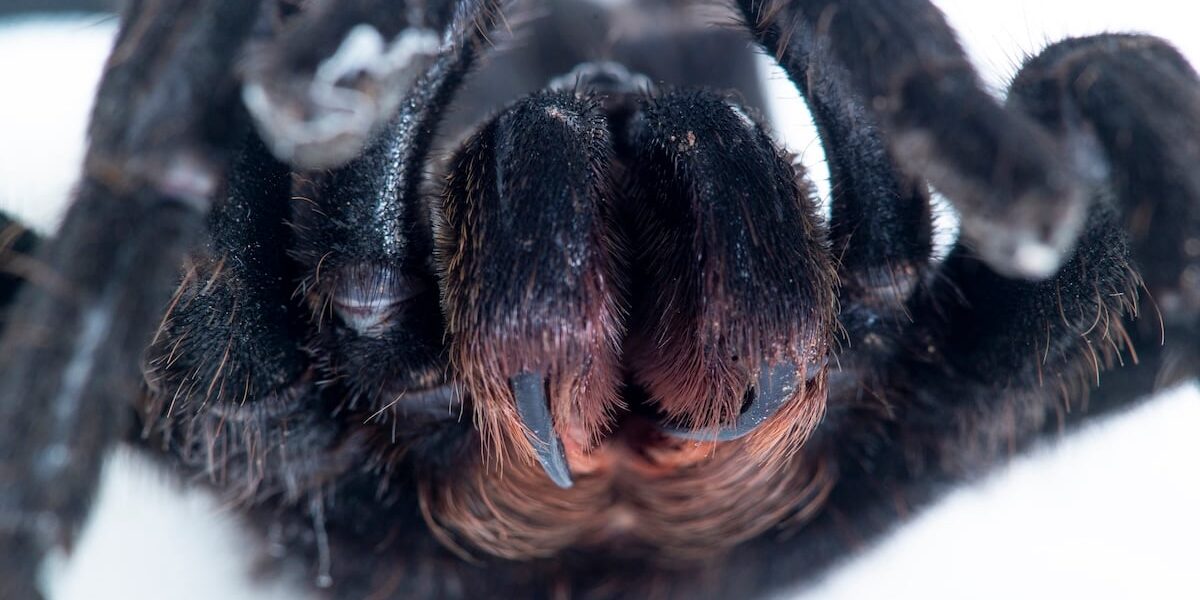
The discovery of half-billion-year-old fossils has revealed what may be the earliest evidence of spider fangs, providing a critical glimpse into the evolutionary history of arachnids. This finding, originating from the Cambrian period, sheds light on the anatomical advancements of early spiders and their predatory capabilities.
Key details
Researchers announced that the fossil specimens, unearthed in the Burgess Shale of Canada, showcase distinct fang-like structures that are characteristic of modern spiders. Utilizing advanced imaging techniques, the team was able to analyze the fine details of these fossils, which date back approximately 506 million years. The structures were remarkably preserved and offer insight into the morphology of early predatory arthropods.
Previously, the earliest known evidence of spider fangs was associated with the Silurian period, around 430 million years ago. This new discovery pushes back the timeline by over 75 million years, suggesting that the evolutionary innovations related to venom delivery systems may have developed much earlier than previously thought.
Why this matters
The identification of these ancient fang structures holds important implications for our understanding of spider evolution, particularly regarding their ecological roles in ancient ecosystems. Spiders are known for their predatory prowess, and the ability to effectively deliver venom would have given early arachnids a significant advantage in both predation and competition.
This breakthrough challenges long-held perceptions about the evolutionary timeline of arachnids and indicates that the fundamental adaptations allowing for venom delivery systems might have emerged sooner than previously understood. By offering a clearer picture of early arachnid anatomy, researchers can better hypothesize how these creatures adapted to their environments and interacted with other organisms during the Cambrian explosion—a pivotal period in the history of life on Earth.
Broader picture
This discovery not only enriches our understanding of spider evolution but also highlights the importance of fossil records in piecing together the narrative of life on our planet. The Cambrian period is known for its unparalleled diversification of life forms, and findings like these help to fill gaps in the evolutionary lineage of key organisms.
By unearthing evidence of ancient spider fangs, scientists can explore connections between early arachnids and their modern descendants, illustrating how evolutionary pressures may have shaped the development of various species over millions of years. As research continues to unveil more findings from ancient habitats, it will become increasingly vital to incorporate these insights into our broader understanding of biodiversity, adaptation, and ecological dynamics throughout history.
In conclusion, the discovery of these ancient fangs serves as a reminder of the complexity and richness of life’s evolutionary journey. As we continue to explore the fossil record, each new finding holds the potential to challenge existing narratives and provide a deeper comprehension of the intricate web of life on Earth.
Original Source: https://www.sciencealert.com/earliest-evidence-of-spider-fangs-discovered-in-half-billion-year-old-fossils