
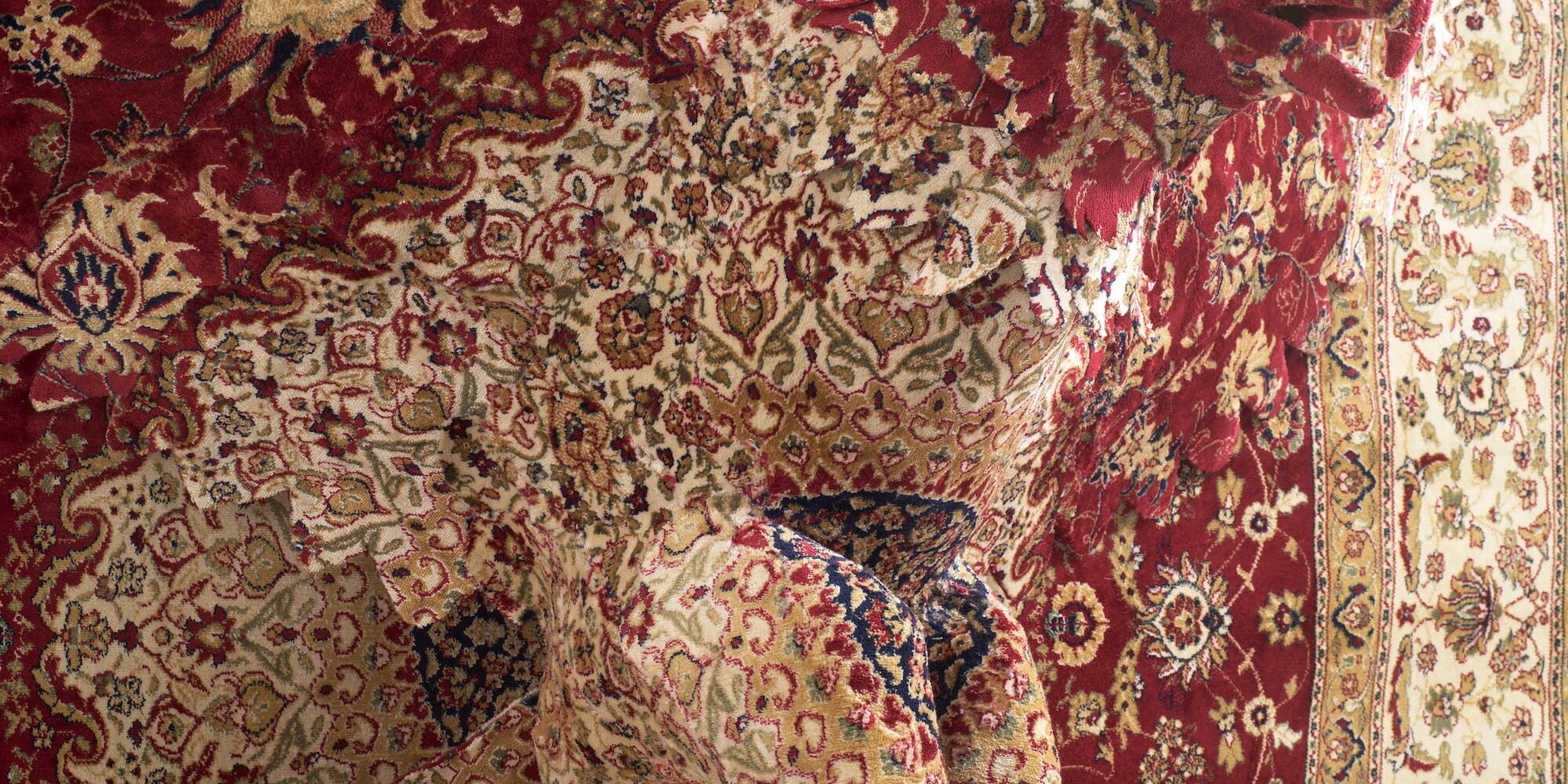
Debbie Lawson’s recent sculptures are shaking up the contemporary art scene, merging the beauty of ornamental carpets with the wildness of nature. Her latest installation combines traditional textile art with striking representations of animals, each piece laden with deeper symbolism about the relationship between humans and the natural world.
Latest developments
Recently unveiled at a major gallery, Lawson’s sculptures exhibit vibrant colors and intricate designs reminiscent of classic rug patterns. However, what sets these pieces apart is the integration of wild animals, depicted in various postures and actions, breaking free from their traditional confines. Viewers are drawn to the juxtaposition of the ornamental aesthetic with the rawness of the animal forms, inviting them to delve into a conversation about domesticity versus wildness.
This provocative installation has sparked numerous discussions among critics and art enthusiasts alike. Some view it as a compelling reflection of the chaos and beauty in nature, while others question the ethics of showcasing wildlife in a decorative context. Lawson maintains that her work serves as a commentary on the human desire to control and domesticate nature, often at the expense of its chaos and wildness.
Background and context
Debbie Lawson is known for her distinctive approach to sculpture, skilfully blending traditional art forms with contemporary issues. Her work often explores themes of identity, culture, and the environment. The usage of ornamental carpets in her sculptures may stem from their historical significance, representing both the craftsmanship of artisans and the way in which cultures have sought to beautify their living spaces.
Incorporating animals into these traditional designs adds another layer of narrative. These animals, often viewed from a domestic lens, challenge the typical perception of art and nature. This mirrors broader societal discussions surrounding conservation, habitat destruction, and the increasing divide between urban living and the natural world. Lawson’s ability to combine these elements taps into a growing consciousness about environmental issues, aiming to provoke thought and engagement from the audience.
What to watch next
As Lawson’s latest project continues to draw attention, it is worth observing how this evolution in her work will influence her future exhibitions. The balance between aesthetics and messaging will likely remain a focal point for Lawson, as she seeks to navigate the complex dynamics between art and nature. Additionally, how audiences and critics respond to her work could inform future trends in contemporary art where textile and sculpture merge.
Lawson’s sculptures serve not only as aesthetic objects but also as a catalyst for dialogue about the interconnectedness of art, culture, and the environment. With upcoming talks at various institutions, expectations are high for the outreach her work will inspire within communities and art circles. As the conversation unfolds, Lawson’s ability to challenge perceptions around nature and domestication promises to keep her work at the forefront of contemporary artistic discourse.
Original Source: https://www.thisiscolossal.com/2026/05/debbie-lawson-carpets-animals-sculptures/