
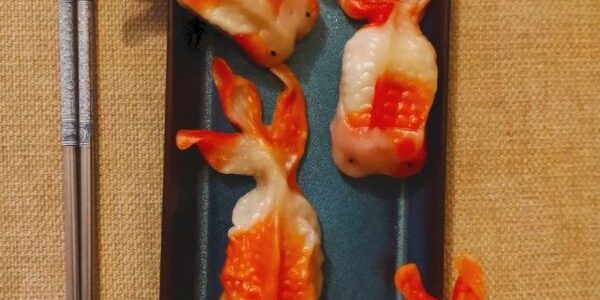
Goldfish dumplings, a whimsical addition to the food scene, have become an unexpected hit in various culinary circles. These playful dumplings, shaped like the popular aquarium fish, are not only a feast for the eyes but also a representation of a growing trend that combines creativity with tradition in the Asian dumpling-making craft.
Background and context
The concept of goldfish dumplings finds its roots in the longstanding Chinese tradition of making dumplings, often considered a symbol of wealth and prosperity. Typically enjoyed during festivals, family gatherings, and the Lunar New Year, dumpling-making is often seen as a communal activity, where family members come together to craft these flavorful pockets of goodness.
Goldfish dumplings differentiate themselves from their traditional counterparts through their unique presentation. They are meticulously crafted to resemble goldfish, complete with vibrant colors and intricate details that mimic the scales and fins of the fish. The fillings often combine traditional ingredients like ground pork, shrimp, and vegetables, although innovative chefs are now experimenting with contemporary flavors, such as spicy chicken or vegan options.
The rise of social media has played a significant role in popularizing goldfish dumplings. Platforms like Instagram and TikTok allow food enthusiasts to showcase their culinary creations, making these visually striking dumplings a perfect subject for viral content. As consumers increasingly seek out unique dining experiences and share them online, restaurants and home cooks have capitalized on this trend, drawing attention and patrons eager to try their hand at making or tasting these delightful creations.
Latest developments
Recently, the goldfish dumpling trend has expanded beyond the traditional Chinese marketplaces, making its way into fusion restaurants and food festivals. Chefs are now incorporating local ingredients and international flavors into the dumpling fillings, creating unexpected yet harmonious combinations that appeal to a broader audience.
In a notable development, several culinary workshops have emerged, offering hands-on experiences where participants can learn how to craft these intricate dumplings. One such workshop in San Francisco recently gained attention for its emphasis on the artistic aspect of dumpling-making, allowing attendees to not only fill and shape their dumplings but also to play with colors and designs, further enhancing the visual appeal of their dishes.
Additionally, as sustainability becomes increasingly important in the food industry, some chefs are also focusing on using locally sourced and organic ingredients in their goldfish dumplings. This shift not only enhances the freshness and quality of the dumplings but also resonates with environmentally-conscious consumers.
What to watch next
As the goldfish dumpling trend continues to evolve, food enthusiasts should keep an eye on the creative innovations emerging from this playful culinary space. The intersection of culinary art and social media will likely drive further experimentation, leading to new flavors and presentations that challenge traditional norms.
Moreover, with more restaurants and home chefs embracing this trend, the potential for goldfish dumplings to appear on menus around the globe seems promising. Future culinary competitions may also feature themed events focused on these whimsical creations, showcasing the skills of aspiring chefs and bringing greater attention to this imaginative form of culinary expression.
In summary, the goldfish dumpling phenomenon reflects a broader shift in the food landscape, highlighting the growing appetite for creativity and visual appeal in dining. As this trend
Original Source: https://www.neatorama.com/2026/05/10/Goldfish-Dumplings/