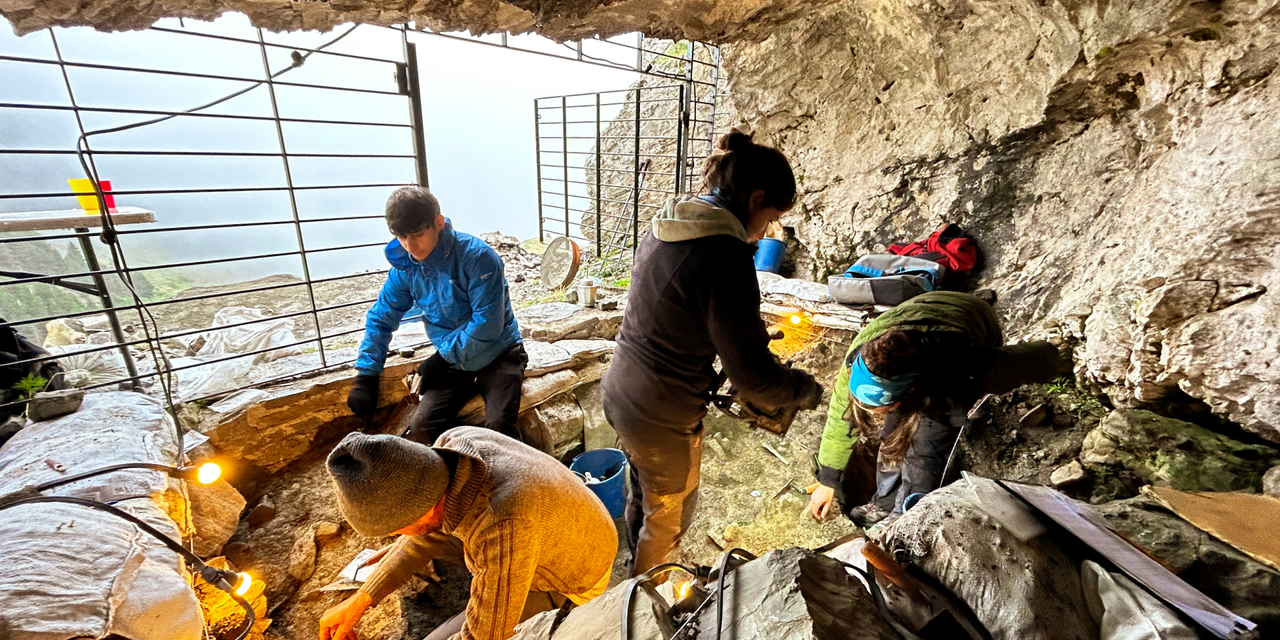
Recent discoveries within a cave in the Pyrenees have unveiled enigmatic green stones, suggesting that prehistoric humans may have been engaged in copper extraction and processing for an astonishing four millennia. This finding adds a significant chapter to our understanding of human metallurgy in that region, as it implies the existence of advanced artisanal practices long before previously established timelines.
Key details
The cave, located in the French Pyrenees, contains a collection of unusual green-hued rocks that resemble copper minerals, particularly malachite and azurite. These stones, found deeply embedded in the sediment layers of the site, exhibit signs of having been worked upon, indicating that early humans were not mere gatherers but rather skilled craftsmen.
Radiocarbon dating places the use of the cave at approximately 6,000 years ago, which aligns with the early Copper Age in Europe. However, evidence suggests that the extraction and use of copper in this region might precede known advancements in metallurgy by several centuries. This revelation challenges the existing narrative surrounding the initial development of metalworking and its spread across Europe.
Why this matters
The implications of these green stone findings extend well beyond the confines of archaeological interest. They illuminate how early human communities in the Pyrenees may have played a pivotal role in the broader narrative of metal usage. Traditionally, advancements in metallurgy have been attributed primarily to Mediterranean and Central European populations, but this discovery indicates that cultural and technological exchanges could have been more widely distributed, altering our understanding of prehistoric economies.
Furthermore, the evidence of copper working in such a remote and rugged area may reshape theories regarding trade routes and migration patterns during the prehistoric era. If these early metallurgists were indeed processing copper in the Pyrenees, it raises questions about their interactions with neighboring communities and whether they participated in broader networks of exchange.
Broader picture
This discovery aligns with ongoing trends in archaeology that challenge historical perspectives on technology and culture in prehistoric Europe. The evidence of sophisticated craftsmanship present in the Pyrenees suggests that the evolution of metalworking was far more complex than traditionally acknowledged. Such findings encourage a reevaluation of how societies adapted to their environments and the innovations they produced in relative isolation.
Ultimately, this research invites further examination of other similar archaeological sites across Europe, which may yield untapped insights into the prehistoric technological landscape. As scholars continue to explore these ancient practices, the narrative of human development during the Copper Age will likely expand, revealing a more nuanced and interconnected world than previously imagined.
The cave in the Pyrenees underscores the humanity’s intricate legacy of craftsmanship and innovation, encouraging us to look deeper into the past to understand the foundations of modern civilization.
Original Source: https://www.livescience.com/archaeology/mysterious-green-rocks-in-pyrenees-cave-hint-that-prehistoric-people-were-working-copper-there-for-4-000-years