
What happened
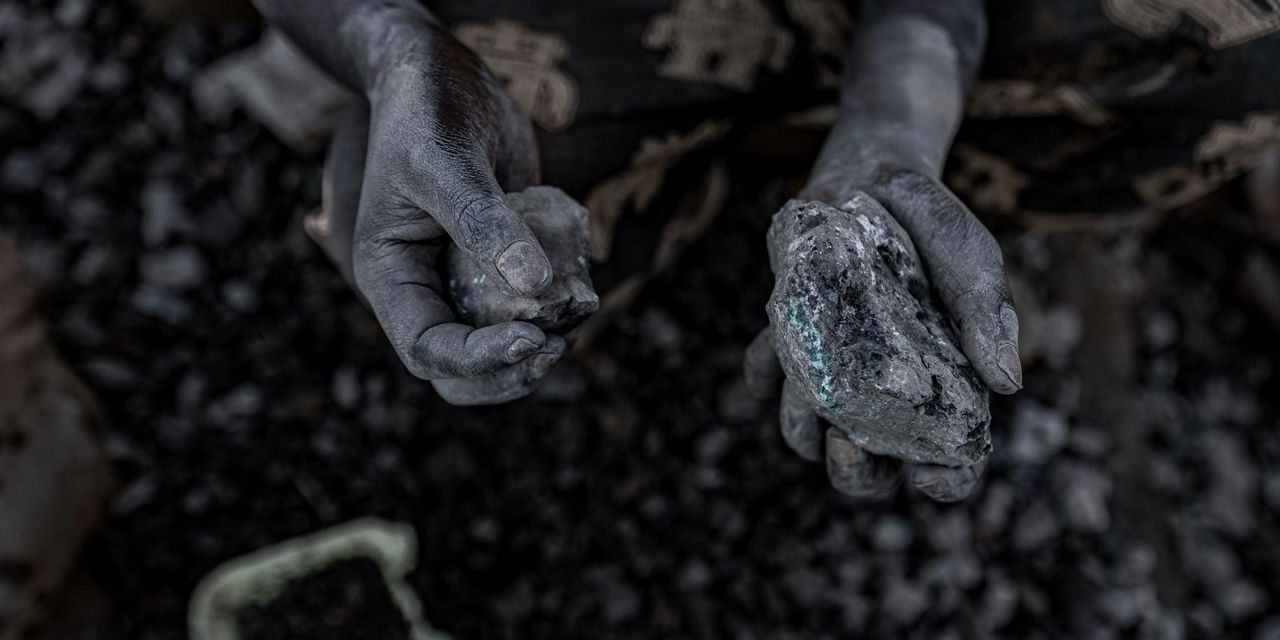
Around the globe, critical mineral mines are often located in regions labeled as “sacrifice zones,” where environmental and human health are severely compromised. These areas, rich in essential materials for modern technologies—like lithium, cobalt, and rare earth elements—are simultaneously plagued by pollution, child labor, and alarming rates of birth defects. Reports indicate that these mines, primarily located in developing nations, lack adequate regulatory oversight, leading to dire consequences for local communities.
Mining operations require significant land and resources, often displacing communities and contaminating ecosystems. Industrial waste, such as heavy metals and toxic chemicals, seep into water sources, impacting the health of those living nearby. In some regions, families have reported an alarming increase in respiratory diseases, skin conditions, and other health issues directly linked to pollution from mining practices.
Child labor is another grim reality in these sacrifice zones. According to various human rights organizations, children as young as six are forced to work in mines, facing hazardous conditions without any safety gear. They often endure long hours of labor in exchange for minimal pay, depriving them of education and exposing them to physical dangers. Experts assert that these practices not only violate international laws but also perpetuate cycles of poverty and disease.
What it means for readers
The implications of these sacrifice zones extend beyond borders, affecting consumers around the world. As demand for electronic devices and electric vehicles grows, so too does the need for critical minerals. Understanding the origin of these minerals can inform purchasing decisions and encourage companies to ensure ethical sourcing practices.
Environmental activists argue that the current trajectory of mining practices is unsustainable, with long-term repercussions for both humanity and the planet. Public awareness has begun to spur advocacy for stronger regulations and transparency in the supply chain. However, the challenge remains significant, as many consumers remain unaware of how their choices contribute to the exploitation of vulnerable communities.
The price of routine technology is steep, and it is often paid by those whose voices go unheard. By spotlighting these issues, consumers can demand better governance, holding companies accountable for ethical mining practices that consider the health and well-being of affected populations.
What happens now
As global focus intensifies on climate change and sustainable practices, addressing the harsh realities of sacrifice zones becomes imperative. Policymakers and industry leaders are urged to collaborate on solutions that prioritize human rights and environmental protection. Calls for improved regulations and ethical sourcing are growing, but effective change will require international cooperation.
In the meantime, consumers play an essential role. By educating themselves about the sources of critical minerals and advocating for responsible practices, they can apply pressure on corporations to adopt sustainable methods. Purchasing from companies committed to ethical sourcing and supporting initiatives aimed at improving conditions in mining communities are proactive steps individuals can take.
Ultimately, many lives depend on the decisions made today. The situation in sacrifice zones underscores the urgent need for a collective commitment to ethical practices in the mining industry, one that protects both the environment and the communities directly affected by mineral extraction.
Original Source: https://www.livescience.com/planet-earth/sacrifice-zones-around-critical-mineral-mines-are-rife-with-pollution-child-workers-and-birth-defects