
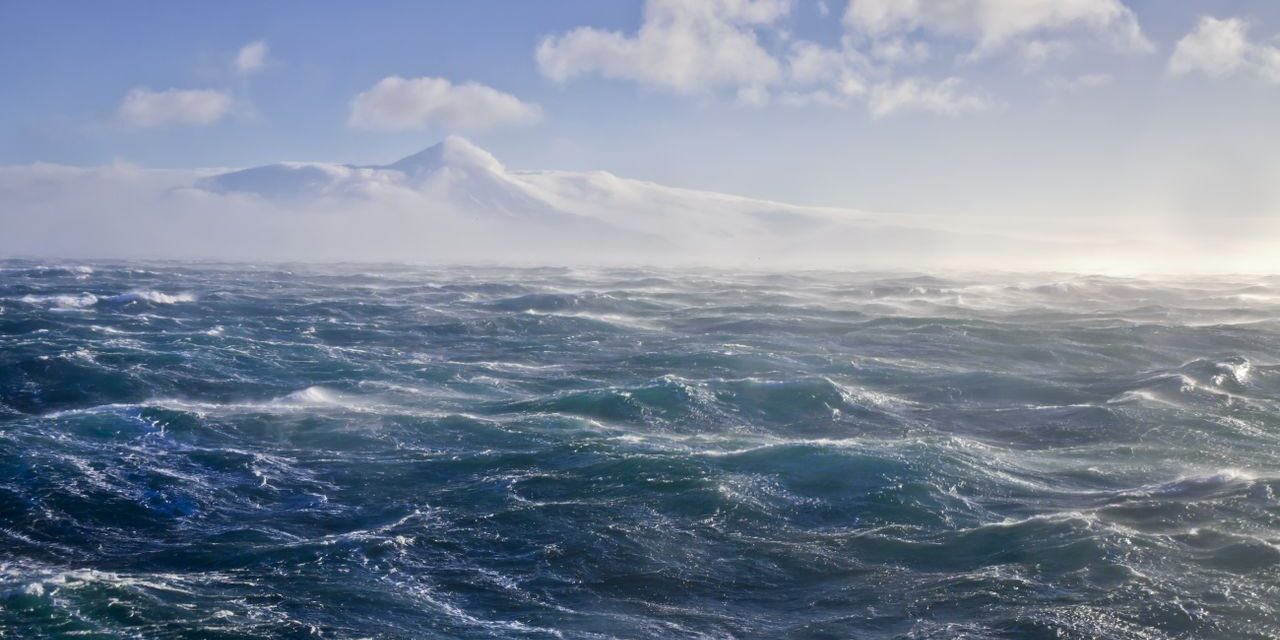
In a bold suggestion from climate scientists, the construction of a massive dam between Alaska and Russia has emerged as a potential strategy to prevent the collapse of the Atlantic Meridional Overturning Circulation (AMOC). This concept has gained traction amid increasing concerns about global climate change and the stability of ocean currents that control weather patterns across the Northern Hemisphere.
What happened
Recent research published in a prominent environmental journal outlined the potential benefits of such an infrastructure project. Scientists argue that a dam, along with a system of reservoirs, could regulate the flow of warm and cold water between the Arctic and the Atlantic Oceans. This could help maintain the temperature balance crucial for the AMOC, which has been showing signs of weakening due to rising global temperatures and increased freshwater influx from melting ice sheets.
The proposal references historical precedents, suggesting that large-scale engineering projects can have a significant impact on environmental conditions. The idea has sparked both intrigue and skepticism within the scientific community. Supporters emphasize the urgency of innovative solutions like this one to combat the global climate crisis, while critics worry about the ecological ramifications and the feasibility of such a project.
Why it matters
The AMOC is a critical component of Earth’s climate system, influencing weather patterns, sea levels, and even the global carbon cycle. If the AMOC were to collapse, scientists warn of catastrophic changes, such as more severe winters in Europe, increased sea level rise along the U.S. East Coast, and potential disruptions to monsoon patterns globally. With current models indicating a substantial risk within this century, proactive measures are essential.
The proposed dam, estimated to cost billions, raises significant questions regarding resource allocation and environmental impact. Critics stress that rather than engineering solutions, the focus should be on reducing carbon emissions and transitioning to renewable energy sources. Proponents counter that such measures alone may not be sufficient given the rapid pace of climate change, advocating for a multifaceted approach.
What comes next
As discussions surrounding this ambitious dam project intensify, further research and public engagement will be critical to assess its viability and potential impacts. Stakeholders, including governments from both the U.S. and Russia, environmental activists, and coastal communities will need to weigh in on the environmental implications and financial investments required.
In the coming months, a series of international conferences on climate change will likely address the AMOC’s stability, with scientists and policymakers eagerly turning their attention to innovative solutions such as the Alaska-Russia dam. For now, the scientific community remains watchful, urging that immediate actions are essential to mitigate the threats posed by a changing climate and to preserve crucial oceanic systems.
Original Source: https://www.livescience.com/planet-earth/rivers-oceans/building-a-massive-dam-between-alaska-and-russia-could-prevent-amoc-collapse-scientists-say