Immediate reaction
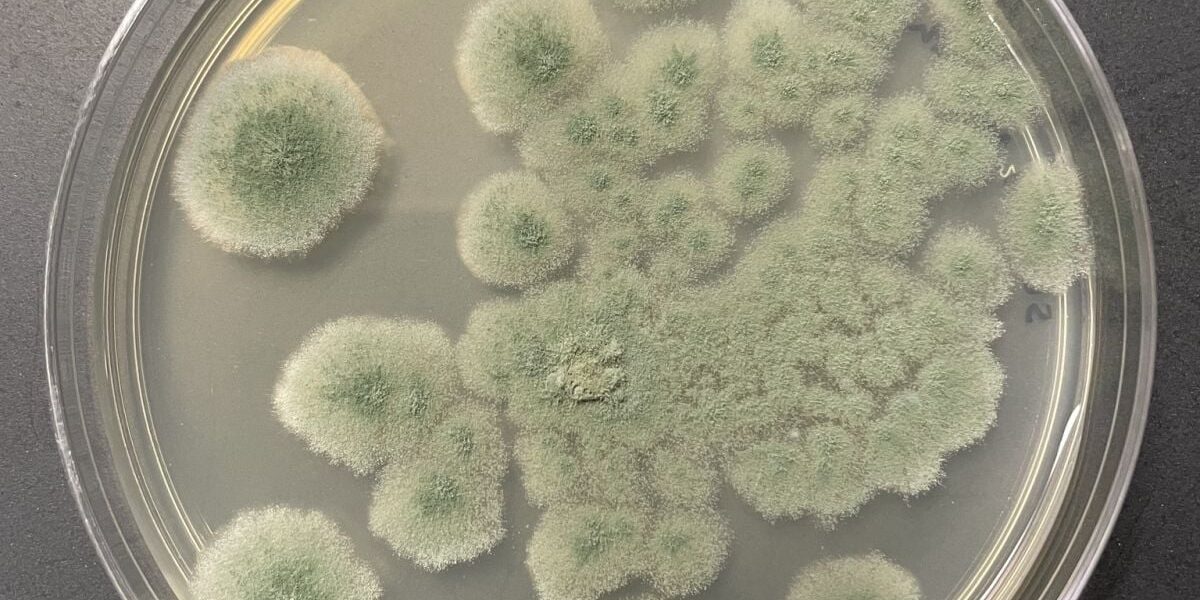
The scientific community is buzzing with excitement following new research that highlights the resilience of a particular fungus, *Aspergillus niger*. This microorganism has demonstrated the ability to withstand the harsh conditions of deep space, sparking discussions about its potential role in future Martian exploration. Reaction from industry leaders and researchers emphasizes both the biological implications and the prospects for biocompatibility in extraterrestrial colonization efforts. The finding has swiftly captured the attention of space agencies and private aerospace companies alike, who view this as a significant breakthrough in understanding life’s resilience beyond Earth.
What triggered the move
The recent study conducted by astrobiologists involved exposing *Aspergillus niger* to extreme conditions replicated in space, including ionizing radiation and vacuum. Remarkably, this fungus not only survived but also retained its reproductive capabilities post-exposure. The impetus for such research stems from a long-standing curiosity about life on other planets, particularly Mars, where conditions could support microbial life. The research is particularly timely, given growing ambitions for human missions to Mars and the increasing interest in utilizing native resources for sustaining life on the Red Planet. Analysts note that understanding how lifeforms endure extreme environments might give insights into extraterrestrial life, thus influencing both scientific and commercial investments in space exploration.
Why readers should care
For the general public, this breakthrough resonates on multiple levels. The survival of *Aspergillus niger* raises questions about the potential for life beyond Earth and ignites interest in astrobiology as a field. This interest is not merely academic; it feeds into the ongoing discourse about the future of humanity in space. The implications extend into biochemistry and ecology, presenting potential innovations in biotechnology and resource usage in space. As humans set their sights on Mars, the knowledge of how organisms can withstand space conditions could prove crucial not only for survival but for developing sustainable ecosystems in extraterrestrial habitats.
In the short term, we can expect a surge in research funding directed toward microbial life and biotechnology aimed at space travel. Space agencies are likely to prioritize research that explores not only the resilience of current lifeforms but also the potential for utilizing such organisms for food, waste recycling, and terraforming efforts on Mars. The ongoing advancements in this domain could lead to a series of studies designed to leverage microbial life to ensure that future human expeditions are self-sustaining. As enthusiasm builds around this discovery, experts believe it is just the beginning of a new phase in understanding life’s capabilities and the exciting possibilities for humanity’s next steps into the cosmos.
Original Source: https://www.sciencealert.com/this-fungus-can-survive-deep-space-conditions-and-could-hitch-a-ride-to-mars