A groundbreaking study has unveiled that a 700-year-old mummy from Bolivia contains the earliest confirmed evidence of the bacteria responsible for strep throat, shedding new light on the history of infectious diseases in the Americas. Researchers from the University of California, Los Angeles (UCLA) examined ancient DNA extracted from the remains, which date back to the pre-Columbian era, offering a rare glimpse into the health challenges faced by early populations in the region.
What happened
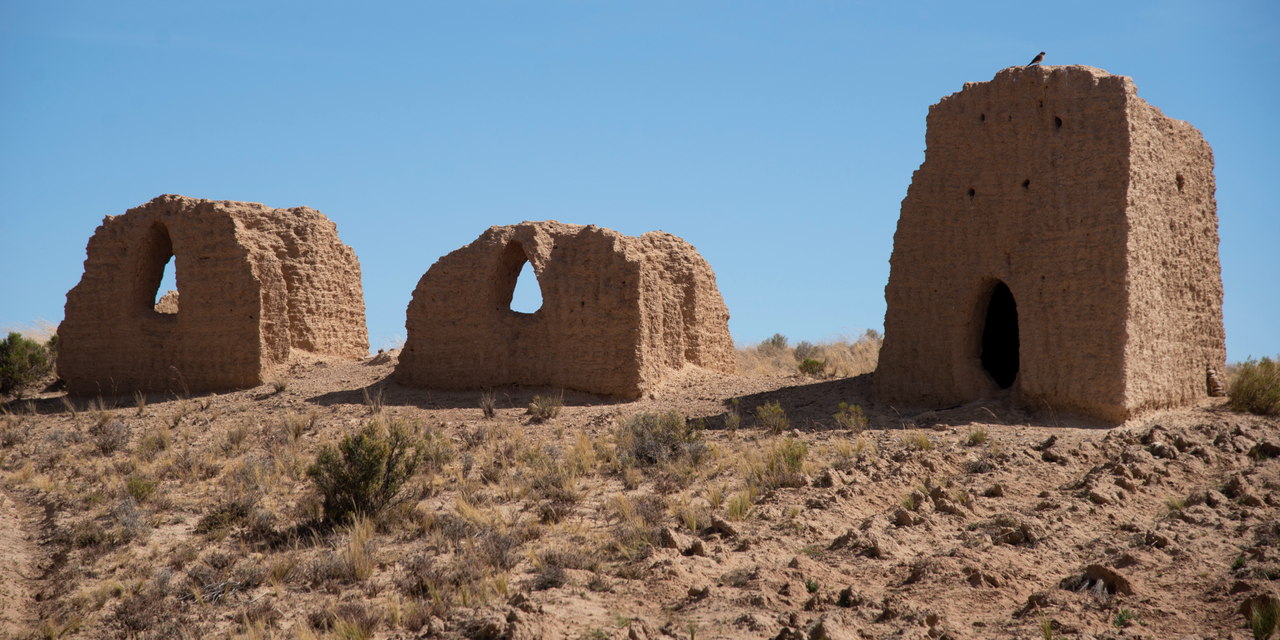
The discovery emerged from excavations in a burial site in the highlands of Bolivia, where the well-preserved mummy was found alongside various artifacts. Genetic analysis conducted on the extracted samples revealed the presence of Streptococcus pyogenes, the bacteria that causes strep throat, proving to be a significant find. Previous records suggested that the earliest evidence of this pathogen dated back only a few centuries, making this finding in ancient Bolivian remains a remarkable leap in our understanding of its timeline in human history.
Dr. Cindy L. Holmes, the lead researcher of the study, emphasized the importance of context, noting that strep throat has been associated with a range of conditions, including rheumatic fever and scarlet fever. By linking this bacteria to a population in the Americas prior to European contact, the study builds a more comprehensive picture of the interaction between indigenous people and pathogenic microbes before the arrival of colonizers.
Why it matters
The implications of this discovery extend far beyond archaeological interest; it challenges previously held notions regarding the spread of infectious diseases in the Americas and underscores the significance of ancient DNA research. Understanding the genetic history of pathogens can provide vital insights into their evolution, shedding light on how they adapt and potentially inform modern medicine.
This finding is particularly crucial as scientists and healthcare professionals grapple with the increasing emergence of antibiotic-resistant strains of bacteria. By tracing the origins and historical spread of harmful pathogens, researchers can better understand their lifecycle and potentially develop more effective treatments. Additionally, it raises questions about how indigenous populations managed health and illness in the face of such bacterial threats.
What comes next
The research team plans to continue investigating additional remains from the region to ascertain whether this discovery is an isolated incident or part of a broader trend in pre-Columbian health. Future studies will explore varying environmental factors and lifestyle choices that may have influenced the prevalence of diseases linked to strep throat and other pathogens.
As the study continues, attention will focus on the potential for revealing further evidence that can reshape our understanding of disease history, health practices among indigenous peoples, and the impact of European contact on these dynamic ecosystems. The ongoing research is a reminder of the intricate connections between past and present public health challenges, urging a holistic approach to anthropology and modern medicine.