Skywatchers across the northern United States are in for an extraordinary natural display this weekend as the aurora borealis, commonly known as the Northern Lights, may be observable in regions typically too far south to see the phenomenon. This exciting opportunity arises due to a significant hole in the sun’s atmosphere, which has heightened solar activity, culminating in a geomagnetic storm expected to reach Earth by Friday and Saturday.
Immediate reaction
Interest in the impending light show has surged, with social media buzz illuminating platforms like Twitter and Instagram. Astronomy clubs and outdoor enthusiasts are organizing viewing events, while local businesses in places such as Minnesota and Michigan anticipate an uptick in visitors eager to experience the spectacle. Some hotels and lodging options in the northern states report a spike in bookings as people travel to prime locations for viewing.
Experts emphasize that while the auroras typically enchant viewers at higher latitudes, forecasts indicating potential visibility as far south as Illinois, Ohio, and even clear into parts of the East Coast have spurred excitement among those who have never witnessed the phenomenon before.
What triggered the move
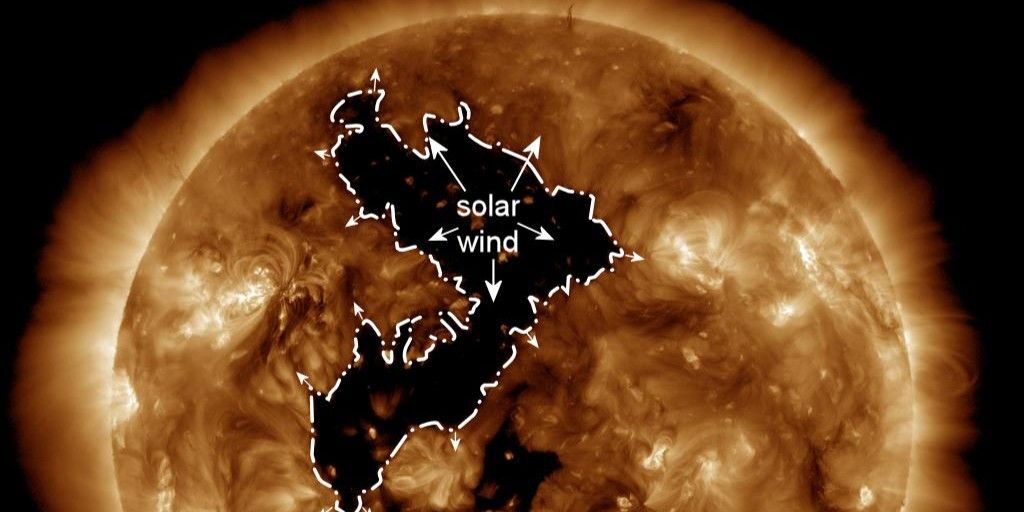
The root cause of this luminous opportunity lies in a coronal hole that has opened on the sun, an area where the magnetic field lines do not close back on themselves. As a result, solar wind—charged particles emitted from the sun—flows faster and more freely into the solar system, reaching Earth at increased speeds. When these solar winds collide with the Earth’s magnetosphere, they can create stunning displays of light in the polar regions, and possibly beyond.
Geophysical models predict that these solar winds will peak from late Friday evening into the early hours of Saturday. The intensity of the anticipated geomagnetic storm has been classified as G3, meaning it could produce vibrant auroras in lower latitudes than usual, potentially allowing millions to enjoy a natural light show. Scientists continue to track solar activities carefully, collaborating with weather services to provide real-time updates and visibility forecasts.
Why readers should care
The Northern Lights are not only a visual marvel but also bring attention to the broader implications of solar activity on Earth’s atmosphere. Events like these offer a unique opportunity for education regarding space weather and its effect on technologies we often take for granted, including satellite operations and power grids. Increased solar activity can lead to radio disruptions and navigation system inaccuracies, so events like this encourage both public curiosity and industry vigilance.
For many, witnessing the Northern Lights is a bucket-list experience that strengthens cultural and community ties around natural phenomena. As communities celebrate this majestic event, it highlights the connectivity of our natural environment and our shared experiences. In the short term, expect a unified promotion of outdoor activities and educational outreach, fostering an appreciation for the wonders of our universe while also emphasizing preparedness for potential implications of solar weather.