What happened
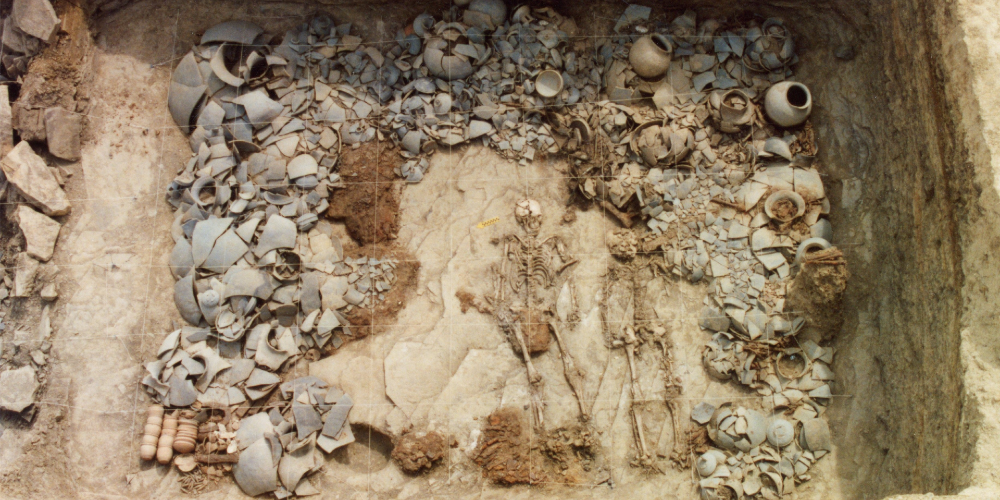
Recent archaeological analyses have revealed troubling practices among ancient Korean societies, indicating that human sacrifice and high levels of inbreeding were more common than previously thought. A collaborative study involving researchers from various institutions has uncovered evidence at multiple excavation sites, particularly in the Gyeongju region, known for its significance during the Silla Dynasty. Skeletal remains and artifacts unearthed in these areas showed signs of ritualistic burial practices, alongside genetic data suggesting a concerning prevalence of inbreeding.
The findings are based on advanced genetic techniques that assess ancient DNA, providing insights into the demographic patterns of these societies. These methods have confirmed that certain clans engaged in practices that increased genetic relatedness, which can lead to potential health risks and genetic disorders. The analysis also highlights that individuals interred in ritualistic graves often displayed traumatic injuries typical of sacrificial offerings, indicating that such practices were intertwined with cultural beliefs and possibly aimed at appeasing deities or ensuring agricultural prosperity.
Why it matters
Understanding these aspects of ancient Korean society is crucial for several reasons. First, it challenges the idealized views of prehistoric cultures, particularly in East Asia, which often romanticize their histories. The evidence of human sacrifice and inbreeding reflects a complex social structure that utilized extreme measures in the face of environmental stresses or sociopolitical pressures. This new perspective allows historians to reconsider factors that influenced societal cohesion and rituals during the period.
Moreover, acknowledging these practices enriches anthropological discussions regarding the dynamics of power, religion, and health within ancient communities. The potential medical implications of inbreeding—such as increased susceptibility to diseases and genetic conditions—prompt a reevaluation of the health and demographic structures of these populations. The findings serve as a cautionary tale relevant even today, as modern societies grapple with ethical issues surrounding reproductive practices and genetic science.
What comes next
The immediate path forward involves additional research aimed at exploring the broader implications of these findings. Scholars are now focusing on interdisciplinary approaches, combining archaeology, anthropology, and genetics to paint a fuller picture of ancient Korean life. Researchers are seeking to conduct further excavations in areas suspected of ritual significance, with the hopes of uncovering additional insights into the cultural context behind human sacrifice.
Furthermore, experts are keen to investigate how these practices influenced contemporary cultural and social dynamics in Korea. By examining archaeological sites with a combination of new technologies and methodologies, the research community aims to create a comprehensive narrative that can inform both historical understanding and modern discussions about genetic health.
This ongoing investigation into ancient practices underscores the importance of a nuanced view of history while providing a platform for future studies that might illuminate the complexities of human behavior across cultures and eras. As more discoveries are made and analyzed, the potential to reshape our understanding of ancient societies looms on the horizon.
Original Source: https://www.livescience.com/archaeology/ancient-korean-society-practiced-human-sacrifice-and-high-inbreeding-researchers-find