
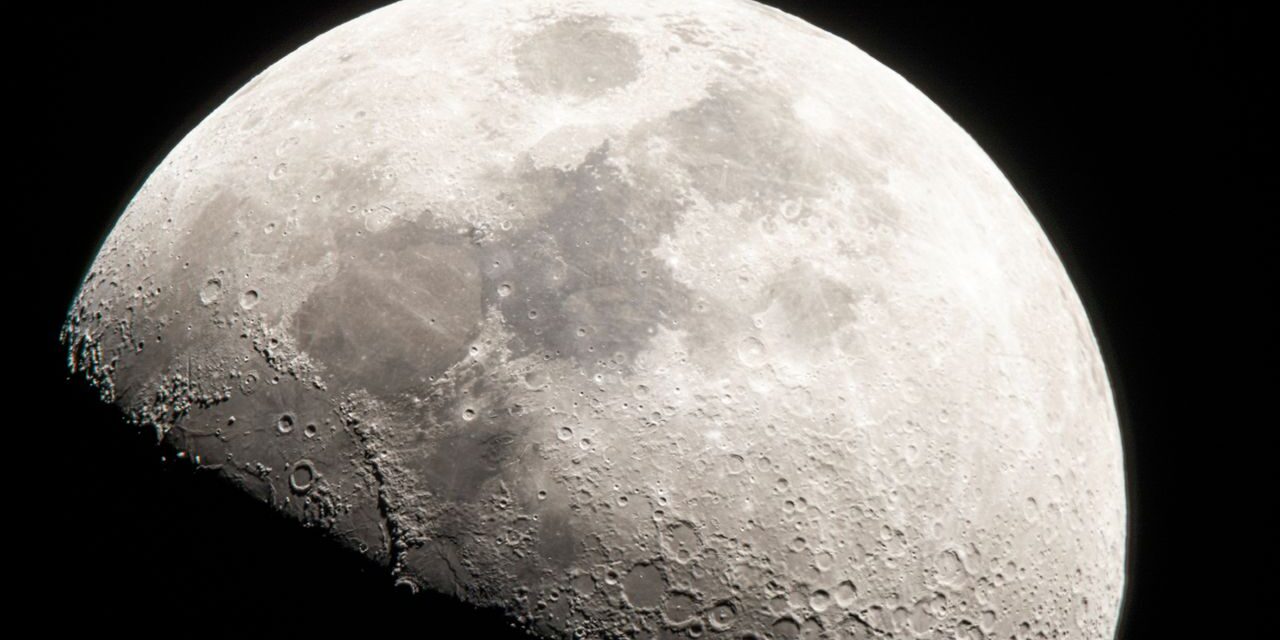
In the 21st century, mankind’s collective eye has turned once more towards the moon, with NASA’s Artemis missions promising to rekindle our celestial fascination and transform our relationship with our closest celestial neighbor.
It’s been more than five decades since Neil Armstrong took that iconic “one small step,” and there is a renewed enthusiasm in the air. The Artemis missions, named after the twin sister of Apollo – the sun god in Greek mythology, will once more create “This generation’s moment” concerning lunar exploration.
NASA has proposed a bold new plan with the Artemis missions, intending to take us further than ever before. For the first time, NASA intends to establish a sustainable human presence on the moon by the end of this decade. Lessons learnt from the moon missions will lay the groundwork for the next big leap – sending astronauts to Mars.
At the crux of NASA’s Artemis program is the pursuit of building an open architecture practice, which means a more inclusive approach to space exploration. The plan involves partnerships with commercial and international entities to explore the moon and broaden humanity’s frontiers.
Boasting a fresh perspective in space missions, the Artemis programs are not only about getting to the moon but also facilitating longer, more sustained explorations once the astronauts arrive. Through Artemis, astronauts will explore more of the moon than ever before, hoping to tap into the moon’s scientific potential. The lunar South Pole, which has never been visited by humans, is one of the mission’s key targets. This region is of particular interest because of the presence of water ice—a critical resource for sustained lunar presence and perhaps beyond.
Another mission objective that makes Artemis unique from previous endeavors is the commitment to land “the first woman and the next man” on the Moon’s surface. This will be a significant milestone for gender equality, symbolizing the immense growth we’ve achieved since the Apollo era, where such milestones were but a distant dream.
The Artemis missions are not without their trials. Budget overruns, design and testing delays, and the challenges introduced by the COVID-19 pandemic have tested the resolve of NASA and its partners. The initial target for the missions was 2024, but updated forecasts anticipate a more realistic landing in 2025.
However, challenges are not deterring the excitement brewing among space enthusiasts, scientists, and even the general public. The ongoing preparations for the Artemis missions have sparked interest in space exploration, particularly among young people. It has given rise to what some are calling the Artemis Generation: the cohort of young people growing up during this new era of lunar exploration.
The Artemis mission will literally and figuratively take us places we have never been before, enhancing our understanding of the moon, our own planet, and even the broader universe. It will push the boundaries of human knowledge and capabilities in space exploration.
As we stand poised at the edge of a new era, driven by curiosity, collaboration, and the insatiable human desire to explore, the Artemis missions are more than just a return to the moon. They represent a significant change, signaling a new understanding and relationship with our celestial neighbor.
The Artemis missions illuminate how far we have come and chronicle our continuing adventure to the moon and beyond. Brace yourself because the sky is certainly not the limit for this generation, not anymore.
Original Source: https://www.livescience.com/space/the-moon/this-generations-moment-how-the-artemis-missions-will-reframe-humanitys-relationship-with-the-moon